Travel to Montenegro
Podmaine Monastery

Podmaine Monastery

Orthodox monastery near Budva Old Town

First written mention: 1630

Overview

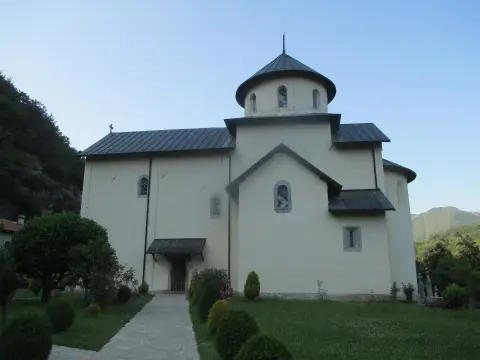
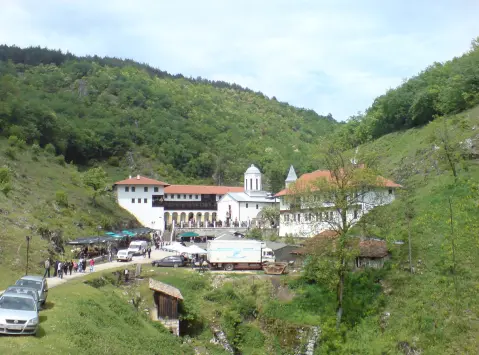
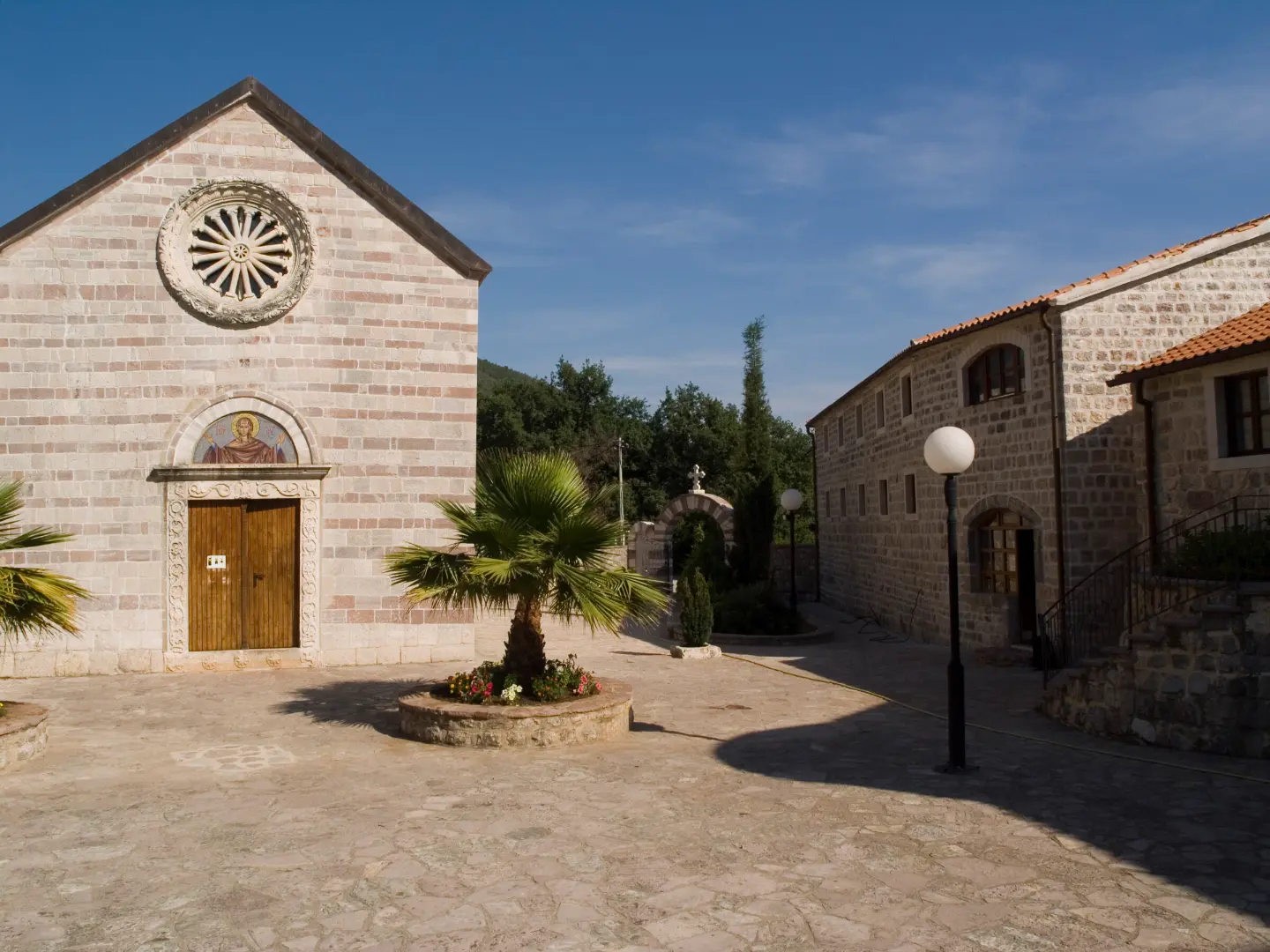
Podmaine Monastery, also known as Podostrog, is located on a gentle rise above Budva field, about three kilometres from Budva Old Town.

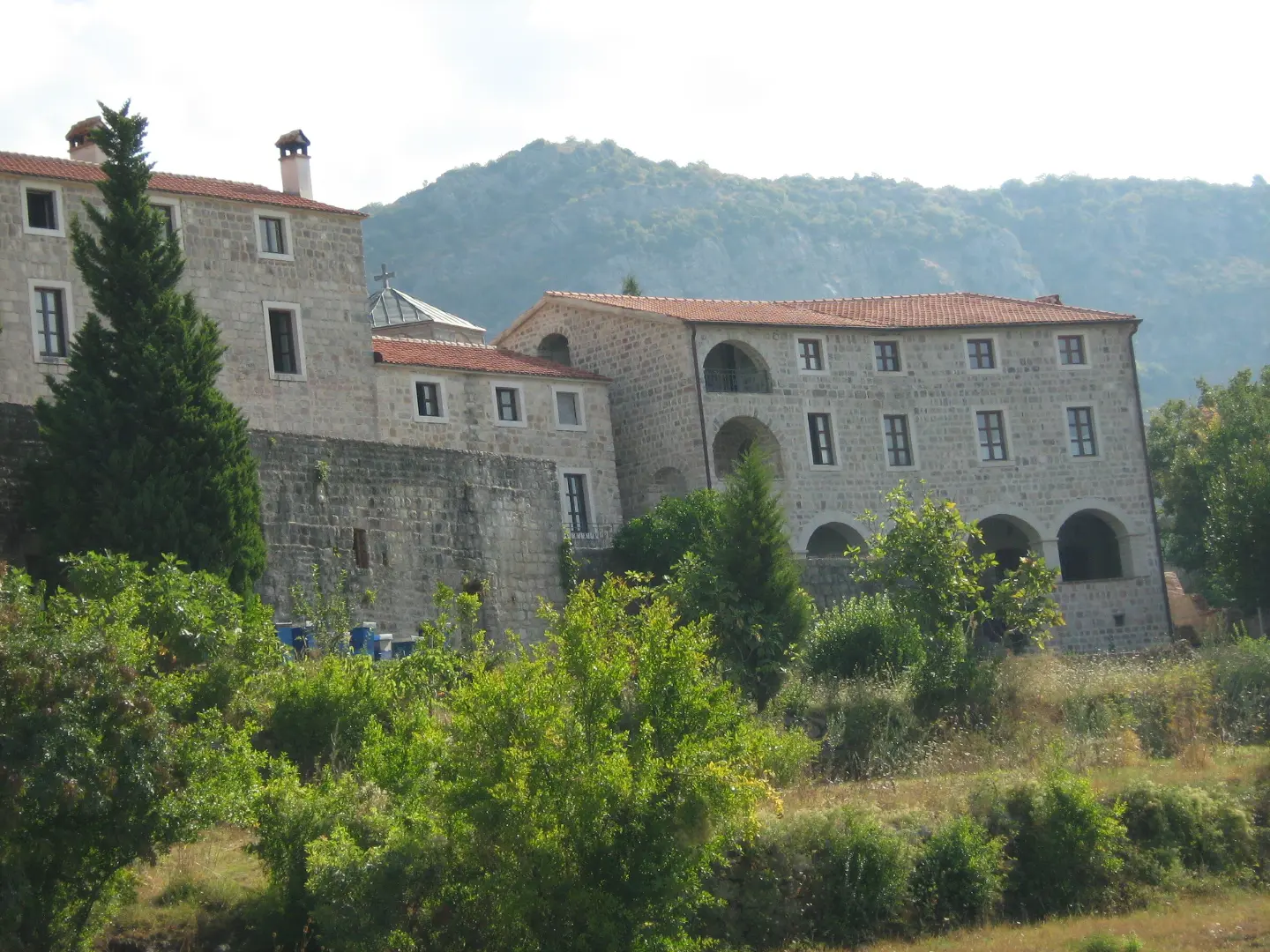
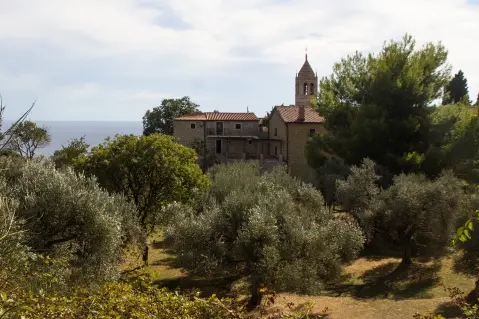
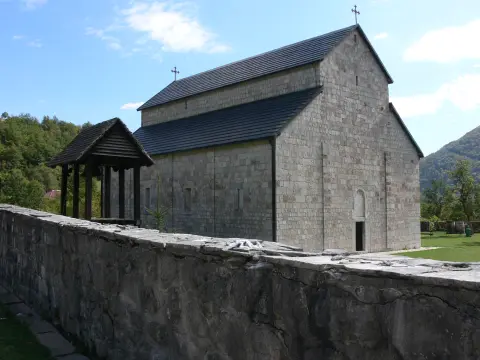
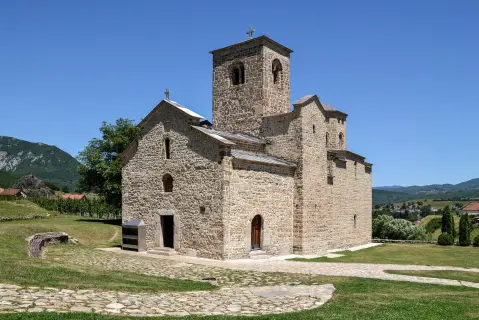
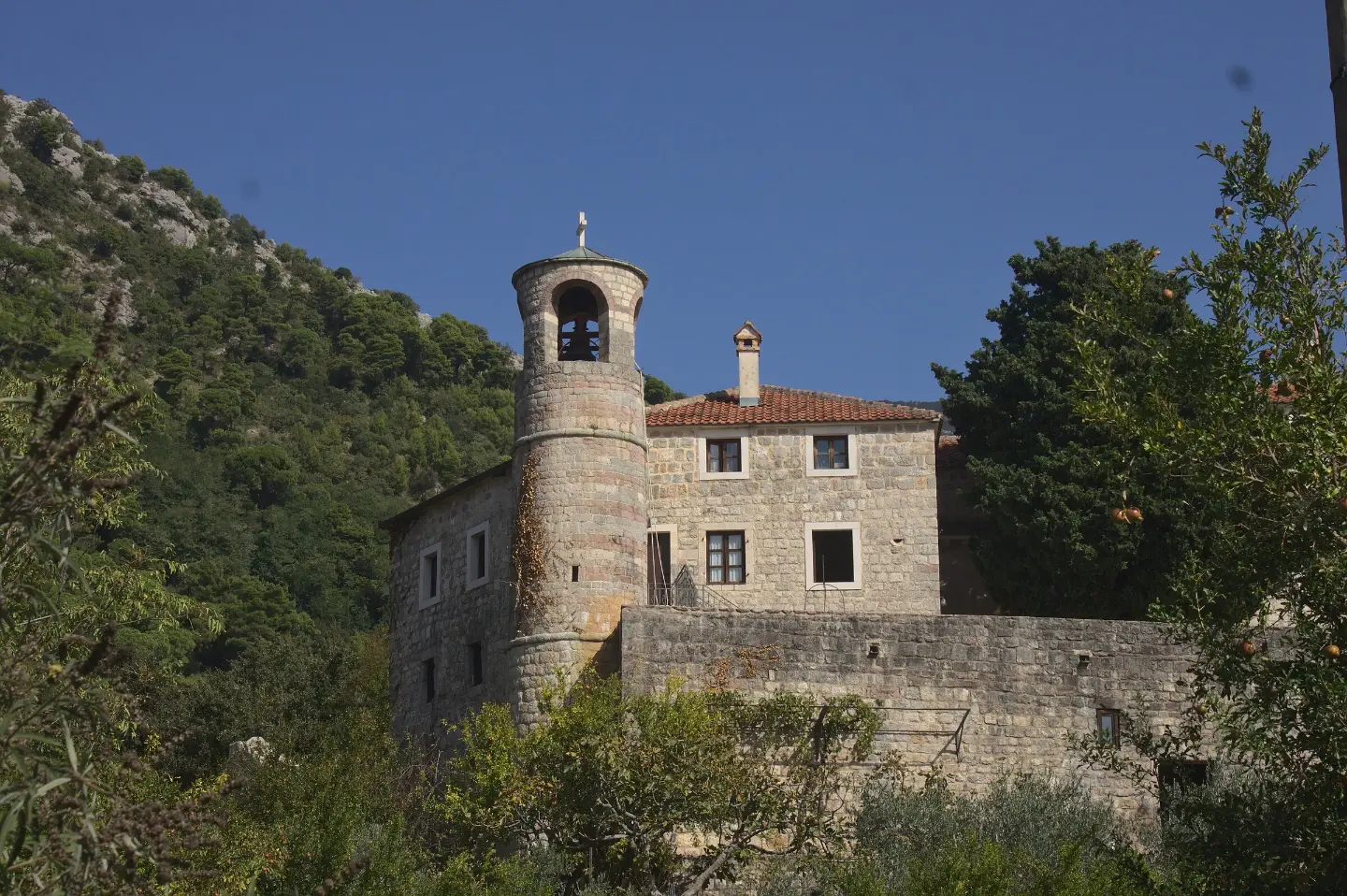
The complex consists of the Small Church of the Presentation of the Most Holy Mother of God from the 15th century and the Great Church of the Dormition of the Mother of God built in 1747, whose frescoes are attributed to Rafailo Dimitrijević from Risan. Petar II Petrović Njegoš stayed at the monastery, where he wrote ‘Svobodijada’ and part of ‘The Mountain Wreath’. Today it is an active male monastery of the Metropolitanate of Montenegro and the Littoral, surrounded by greenery, with an old mill, a stone tower and a terrace with a cistern.

Visiting

How to visit a monastery

All monasteries
  • Dress Modestly

    Always wear clothing that covers your shoulders and knees. Women should have a headscarf for inside the church. Inappropriate attire may result in being refused entry to the monastery.

  • Best Time to Visit

    Arrive early in the morning or late in the afternoon to avoid crowds, especially in summer. Weekdays out of season are most suitable for a peaceful visit — in the more visited monasteries, such as Ostrog, the difference is significant.

  • Respecting the Sacred Site

    Monasteries are living communities of monks and nuns. In the church do not eat or drink, speak quietly and do not enter areas closed to visitors. Do not take anything out of the monastery — not a stone nor a flower. Approach with respect, regardless of religious affiliation.

  • What to Bring

    Entrance to monasteries is usually free, and voluntary donations and candles are welcome. Pilgrims traditionally bring oil, wine, coffee and sugar as gifts for the monks; according to old custom, woolen socks are also brought to Ostrog for Saint Basil of Ostrog.

  • Church Feast Days

    On monastery feast days and major holidays, many believers come — check the date of the feast day of the monastery you are visiting. The greatest holiday is Saint Basil of Ostrog on May 12; for that day, reserve accommodation well in advance.

Highlights

Discover Podmaine Monastery

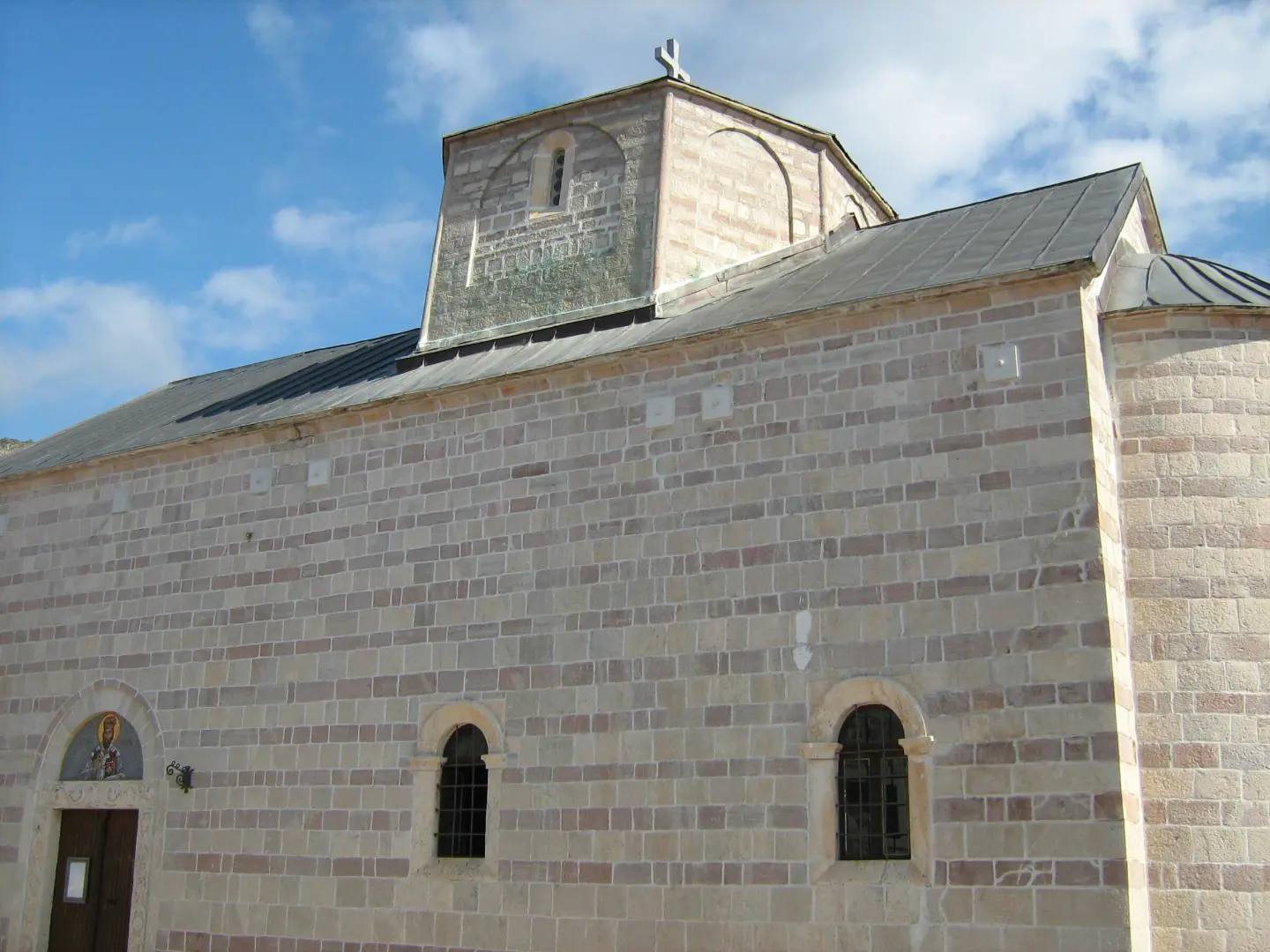
Great Church of the Dormition of the Most Holy Mother of God

Great Church of the Dormition of the Most Holy Mother of God

Built in 1747 through the efforts of Bishop Sava Petrović, known as Velika Gospojina. The frescoes from that period are attributed to the painter Rafailo Dimitrijević from Risan. Liturgies are still served here today, and after the 1979 earthquake the church was fully restored and consecrated in 2000.
Small Church of the Presentation of the Most Holy Mother of God

Small Church of the Presentation of the Most Holy Mother of God

The older monastery church, by its architecture dated to the 15th century, from the Crnojević era. The first written mention of its frescoes is from 1630, when Hieromonk Visarion of the Cetinje Monastery renewed them. It is dedicated to the Presentation of the Most Holy Mother of God.

Stone terrace with a cistern and the old mill

Stone terrace with a cistern and the old mill

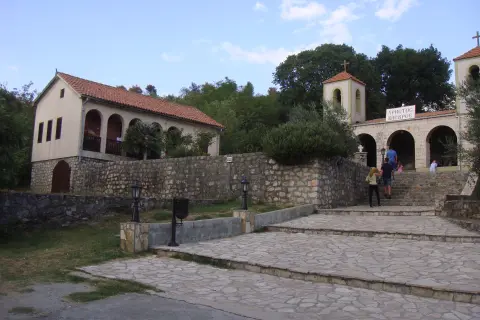
The large stone terrace in front of the guesthouse is attributed to Petar II Petrović Njegoš, who stayed and wrote here in winter. On the terrace there is a cistern for water, and in the complex there is also an old mill. The area offers views of Budva field and the surrounding greenery.

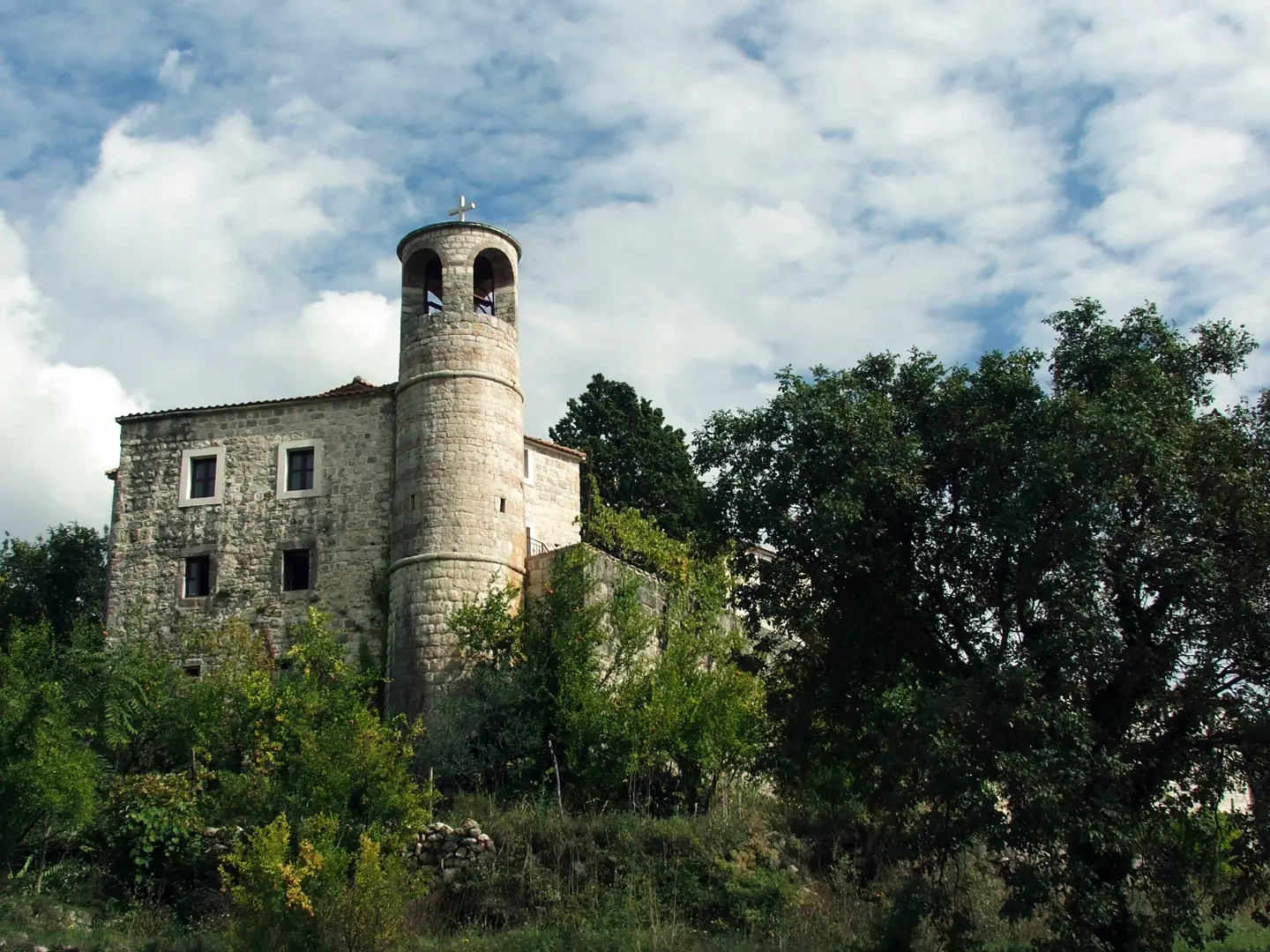
Monastery tower with a bell tower

Monastery tower with a bell tower

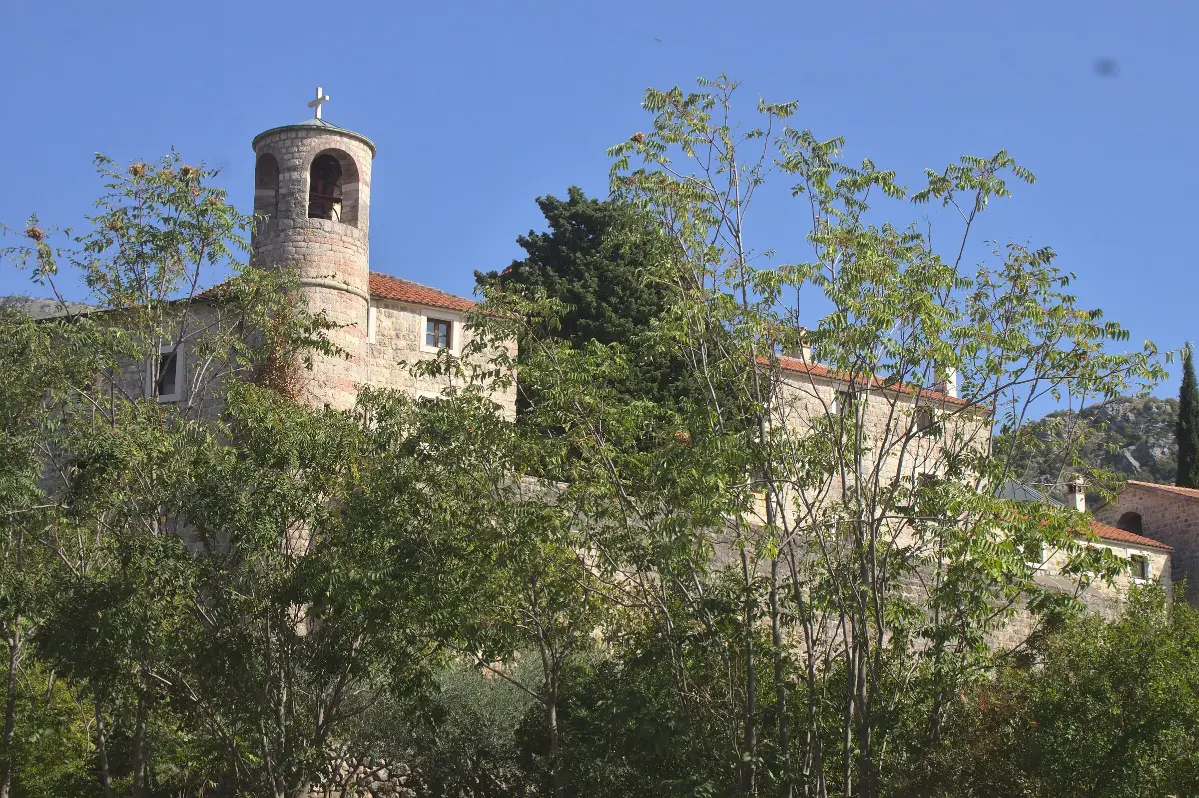
The appearance of the monastery from 1848 is preserved in a watercolour by Teodor Karačić, dominated by the monastery tower. Today’s guesthouse with a stone tower and bell tower was restored by 2015 after the earthquake, and the complex remains an active centre of church and cultural events.

Podmaine–Zečevo selo–Vratno hiking trail

Podmaine–Zečevo selo–Vratno hiking trail

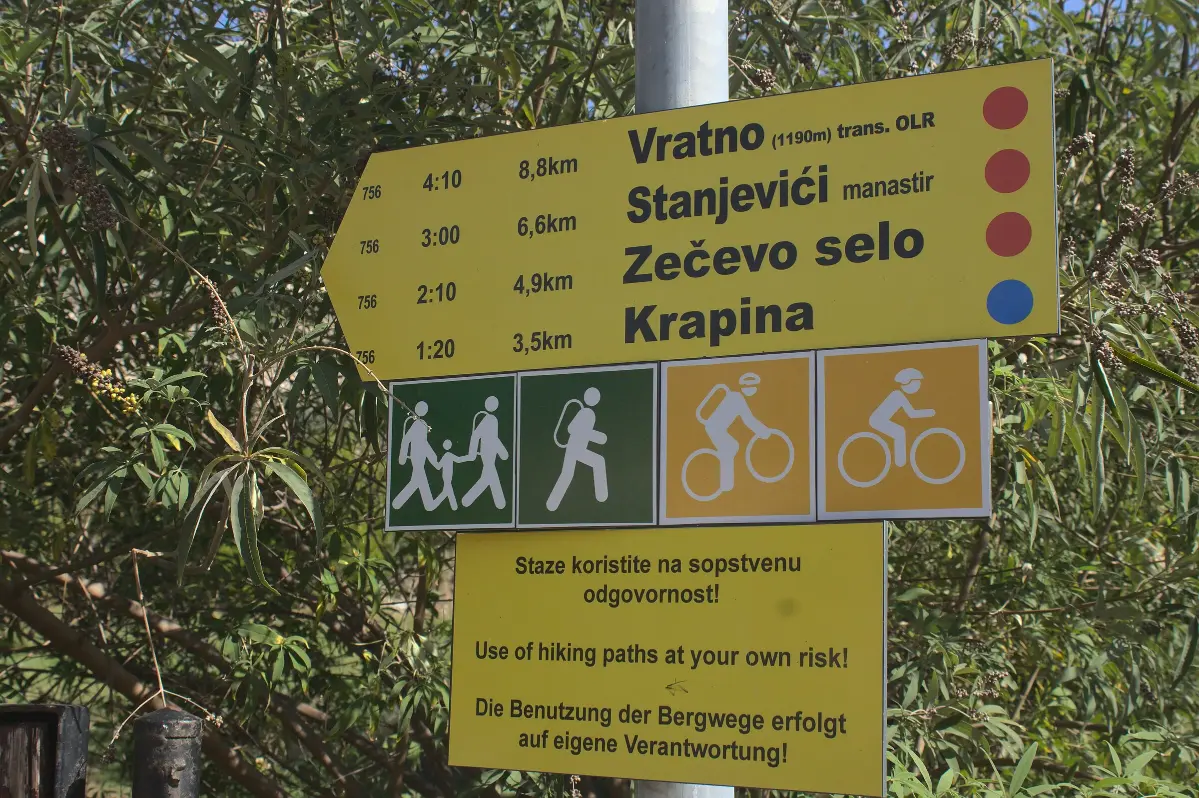
A 10.6 km hiking trail starts from the monastery; it is moderately difficult in its second part and easy to the crossroads in Krapina. It passes through Mediterranean vegetation and connects Podmaine with the hamlets of Zečevo selo and Vratno, offering views of Budva field.

What to do

Activities in Podmaine Monastery

Visit to the monastery complex

Viewing the Small and Great Churches, frescoes, the stone terrace with a cistern and the old mill.

Hiking to Zečevo selo

The Podmaine–Zečevo selo–Vratno trail is 10.6 km long, moderately difficult in its second part.

Photographing architecture and frescoes

The stone complex with a tower and bell tower offers motifs in Mediterranean greenery.

Participating in services

Matins and Liturgy in the monastery churches, especially on Saturdays and Sundays.

Podmaine Monastery

Plan your stay

Podmaine Monastery — where to stay and how to get around

Live offers from local hosts on our booking platform. Nothing is charged online — you pay the host on site.

Booking requests are confirmed by the host; payment on site. Offers come from the Travel to Montenegro booking platform.

Plan Your Visit

Weather & Useful Info

Parking

According to OSM, there is a small parking lot along Mainski put just below the monastery and a paid parking about 200 m further south; capacity unknown.

FAQ

Frequently Asked Questions

To visit the churches, terrace and guesthouse, 1–2 hours is enough. If you plan the hiking trail to Zečevo selo, allow another 3–4 hours.

Official opening hours are not published; the safest is to come at the time of services, especially on Saturdays and Sundays.

The usual Orthodox monastery rule applies: covered shoulders and knees, no swimwear or shorts.

Photography inside the churches is not regulated in detail; ask the monks for permission in advance. The exterior and the terrace may be photographed freely.

The most pleasant months are May, June, September and October. Many believers come for the patronal feast of Velika Gospojina on 28 August.

Travel Assistant

Ask about Montenegro

Welcome!

Ask me about destinations, restaurants or activities.