Travel to Montenegro
Holy Trinity Monastery

Orthodox monastery

Holy Trinity Monastery

Monastery above Pljevlja with frescoes by Father Strahinja and a 16th-century treasury

First written record: 1537

Overview

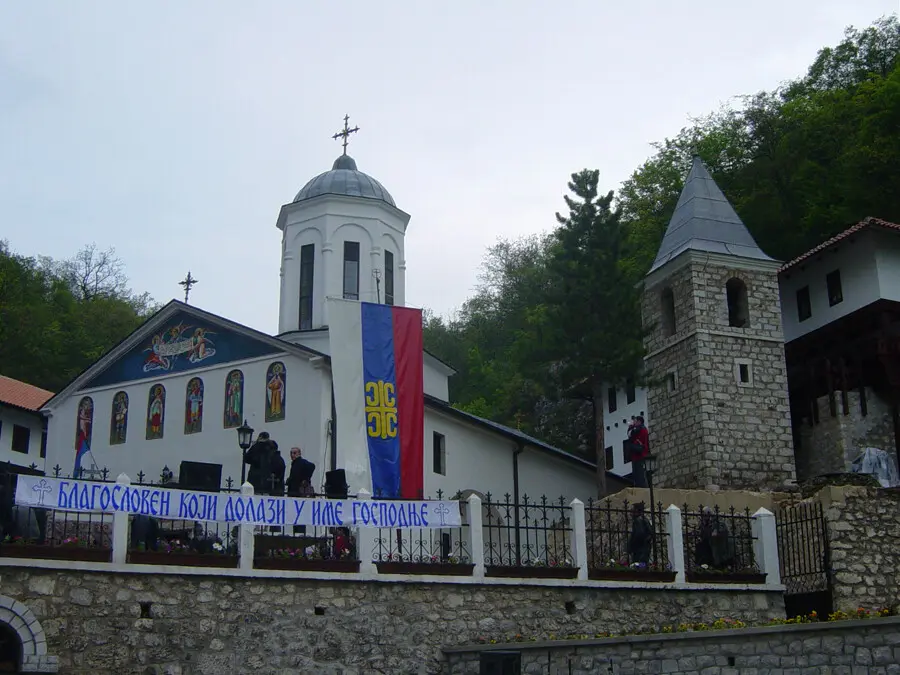
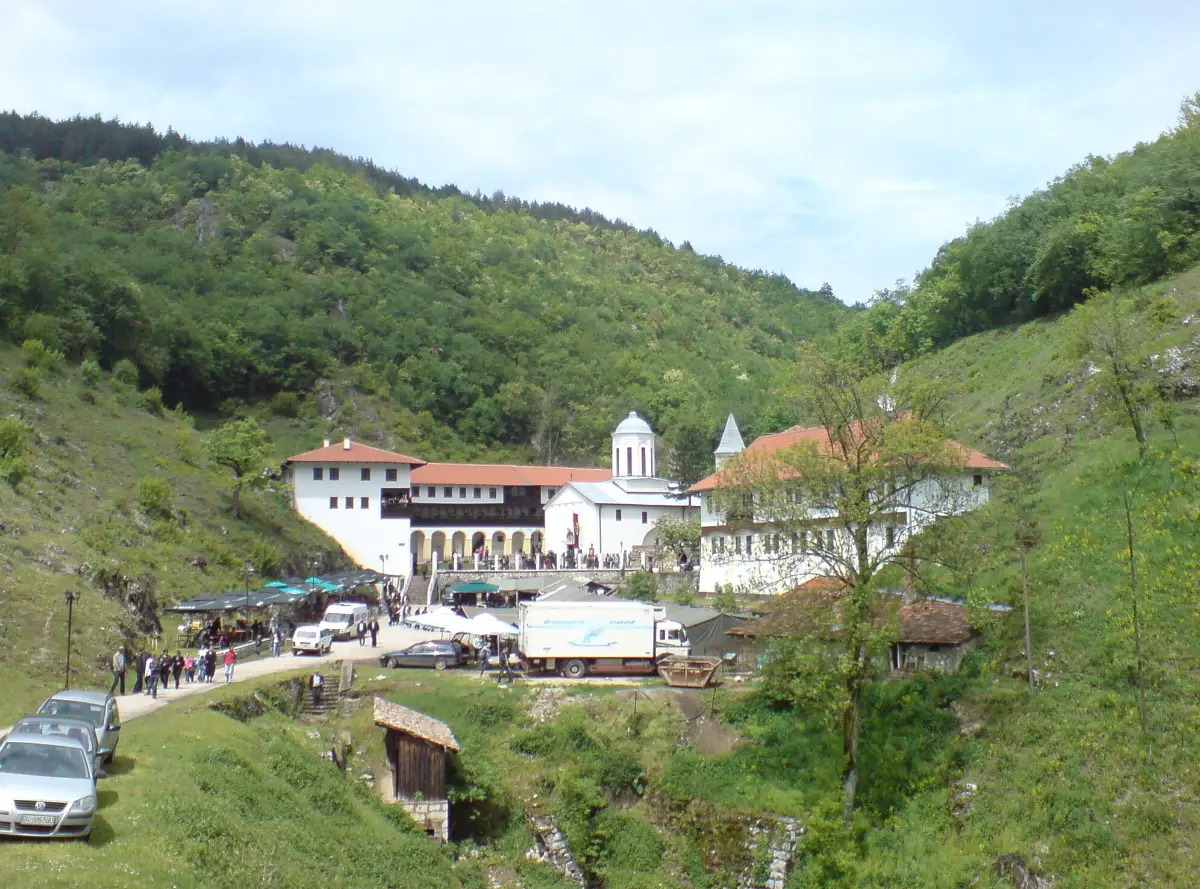
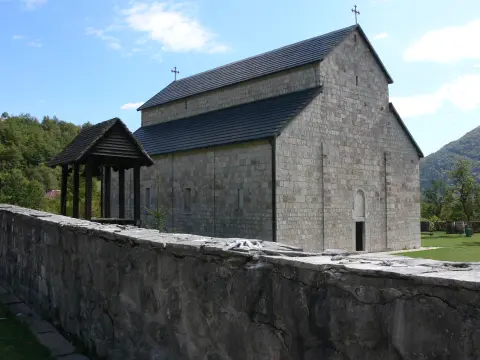
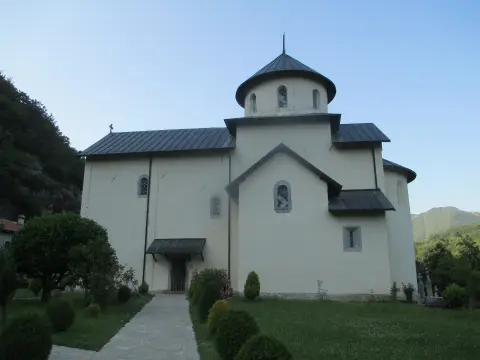
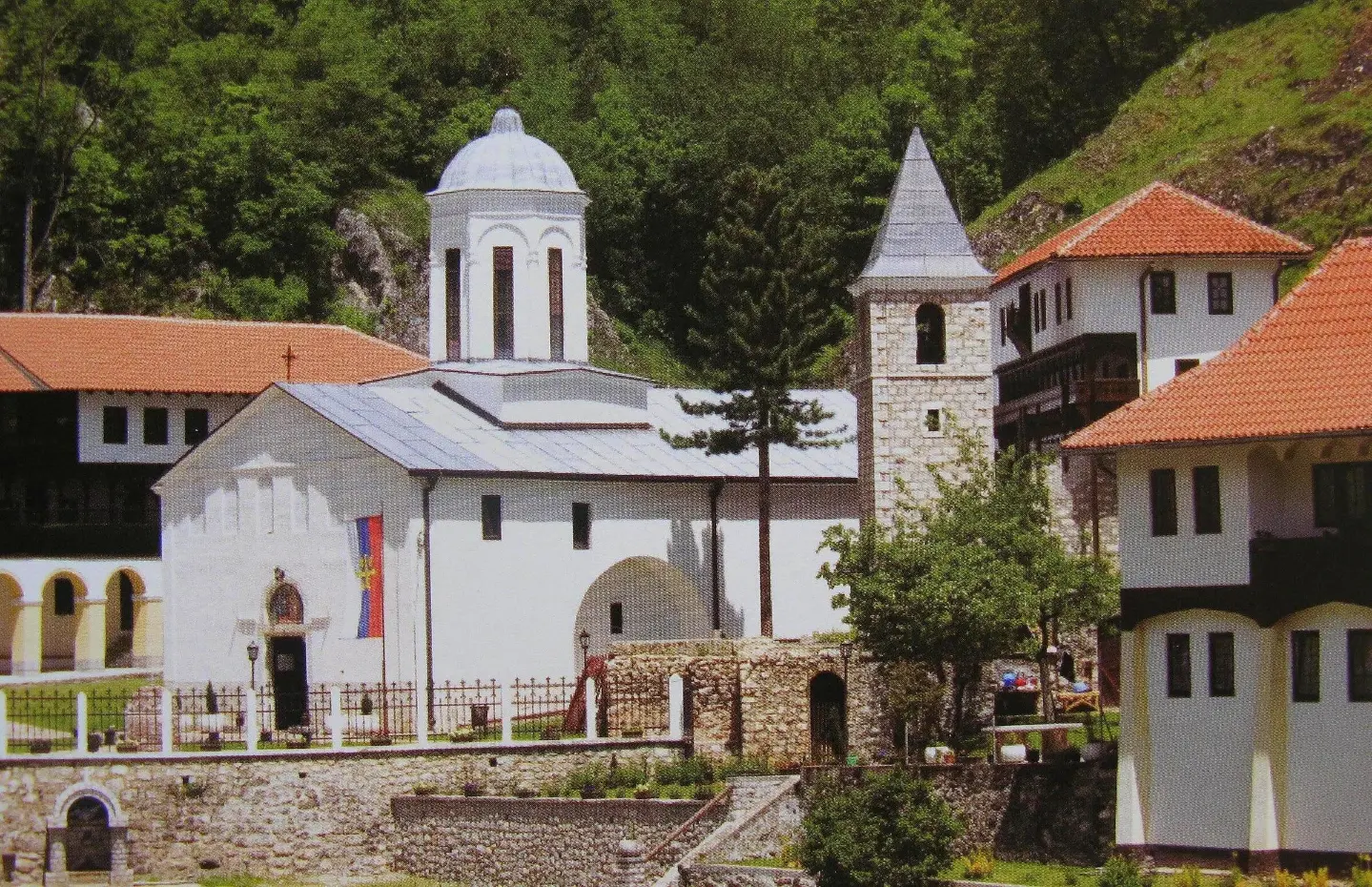
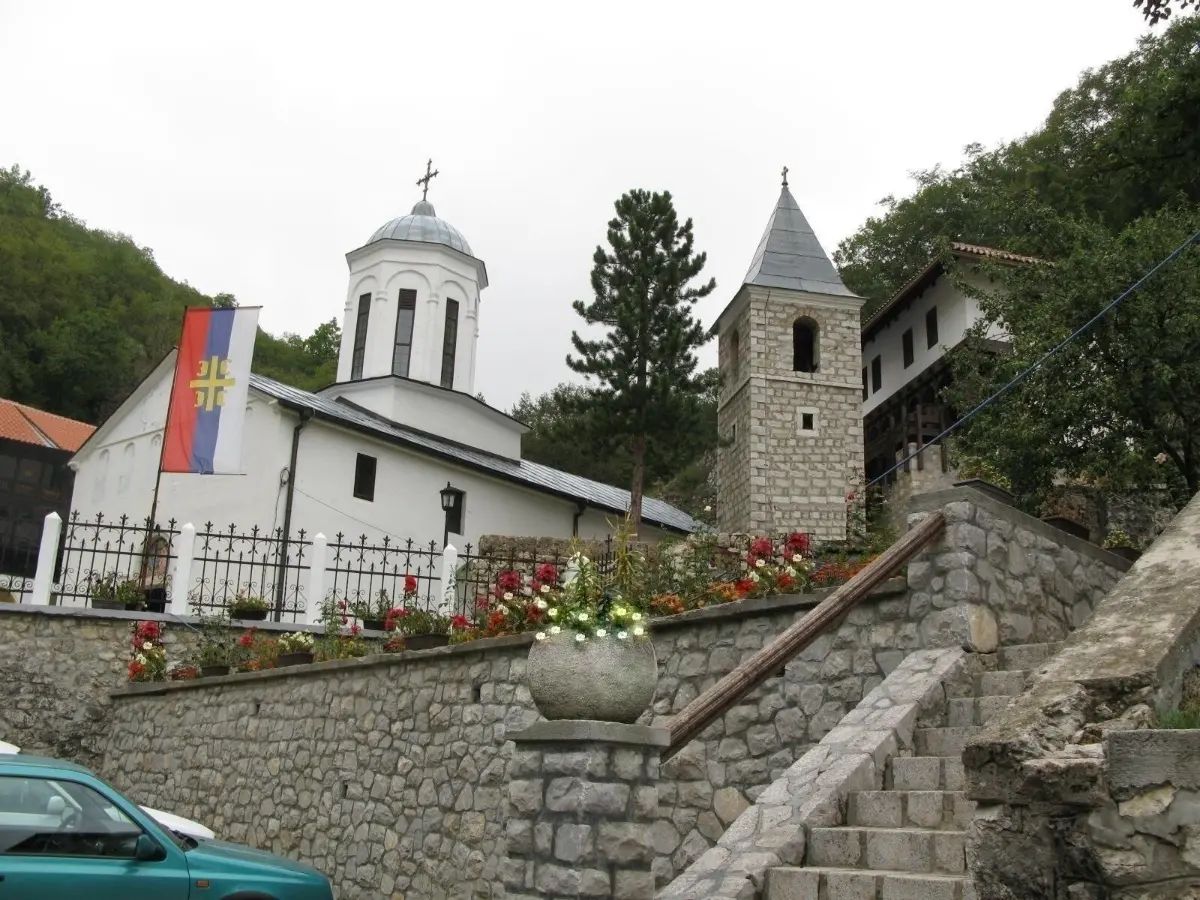
Holy Trinity Monastery (Manastir Svete Trojice, also called Sveta Trojica Pljevaljska) stands on a narrow terrace above the Breznica stream, about 2 km north-east of the centre of Pljevlja.

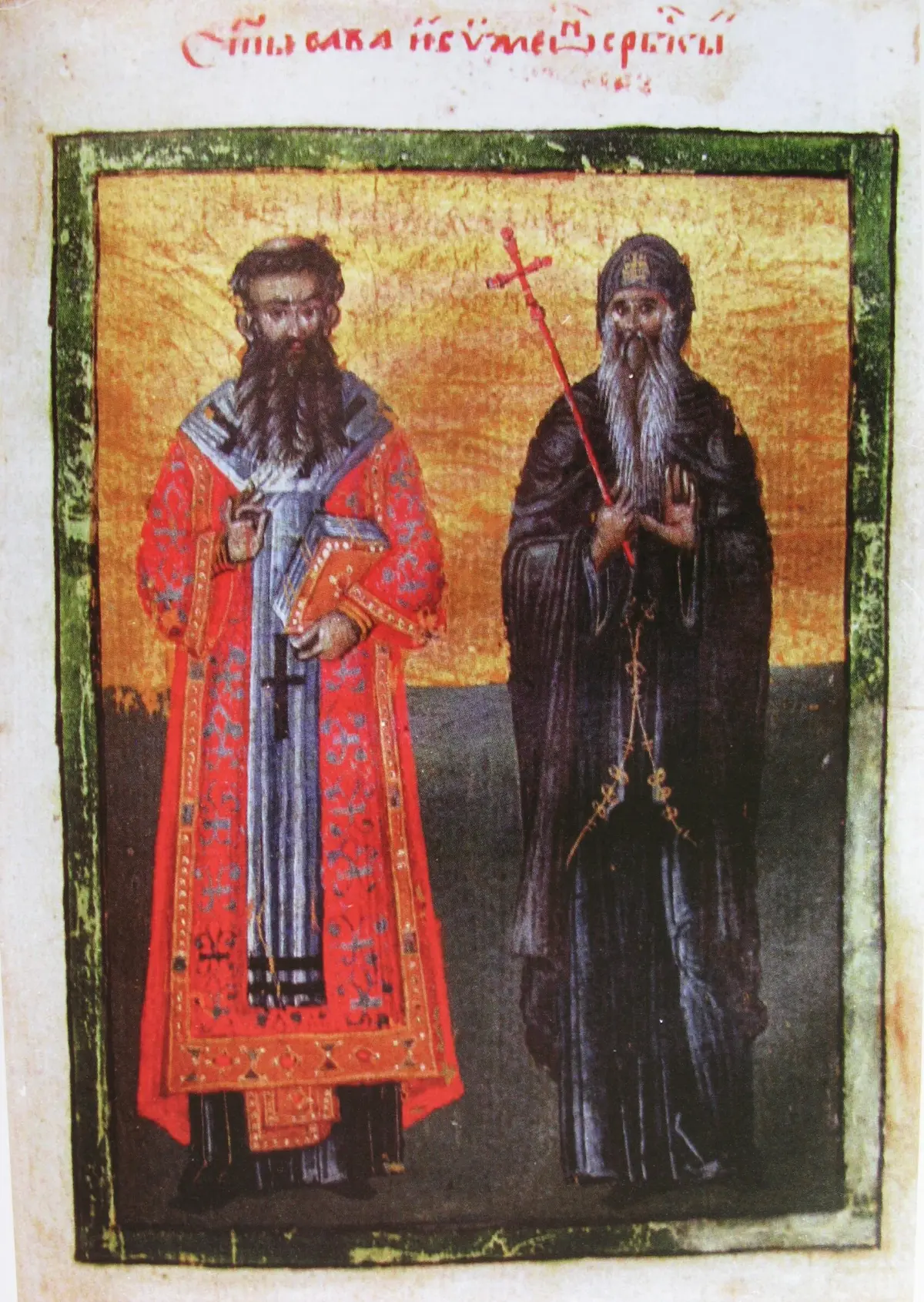
The first written record is a note by the hieromonk Sava from 1537. Father Strahinja of Budimlje painted the church in 1592–1595, and from the 16th to the end of the 17th century the monastery was a well-known scriptorium. Since 2004 the treasury and library have been on display in the restored Small Lodging (Mali konak).

  • Monastery
  • Pljevlja
  • Frescoes
  • Treasury
  • Manuscripts
  • Orthodox
Visiting

How to visit a monastery

All monasteries
  • Dress Modestly

    Always wear clothing that covers your shoulders and knees. Women should have a headscarf for inside the church. Inappropriate attire may result in being refused entry to the monastery.

  • Best Time to Visit

    Arrive early in the morning or late in the afternoon to avoid crowds, especially in summer. Weekdays out of season are most suitable for a peaceful visit – in the more visited monasteries, such as Ostrog, the difference is significant.

  • Respecting the Sacred Site

    Monasteries are living communities of monks and nuns. In the church do not eat or drink, speak quietly and do not enter areas closed to visitors. Do not take anything out of the monastery – not a stone nor a flower. Approach with respect, regardless of religious affiliation.

  • What to Bring

    Entrance to monasteries is usually free, and voluntary donations and candles are welcome. Pilgrims traditionally bring oil, wine, coffee and sugar as gifts for the monks; according to old custom, woolen socks are also brought to Ostrog for Saint Basil of Ostrog.

  • Church Feast Days

    On monastery feast days and major holidays, many believers come – check the date of the feast day of the monastery you are visiting. The greatest holiday is Saint Basil of Ostrog on May 12; for that day, reserve accommodation well in advance.

Highlights

Discover Holy Trinity Monastery

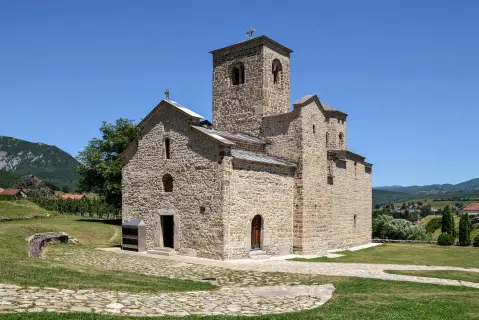
The Church of the Holy Trinity

The Church of the Holy Trinity

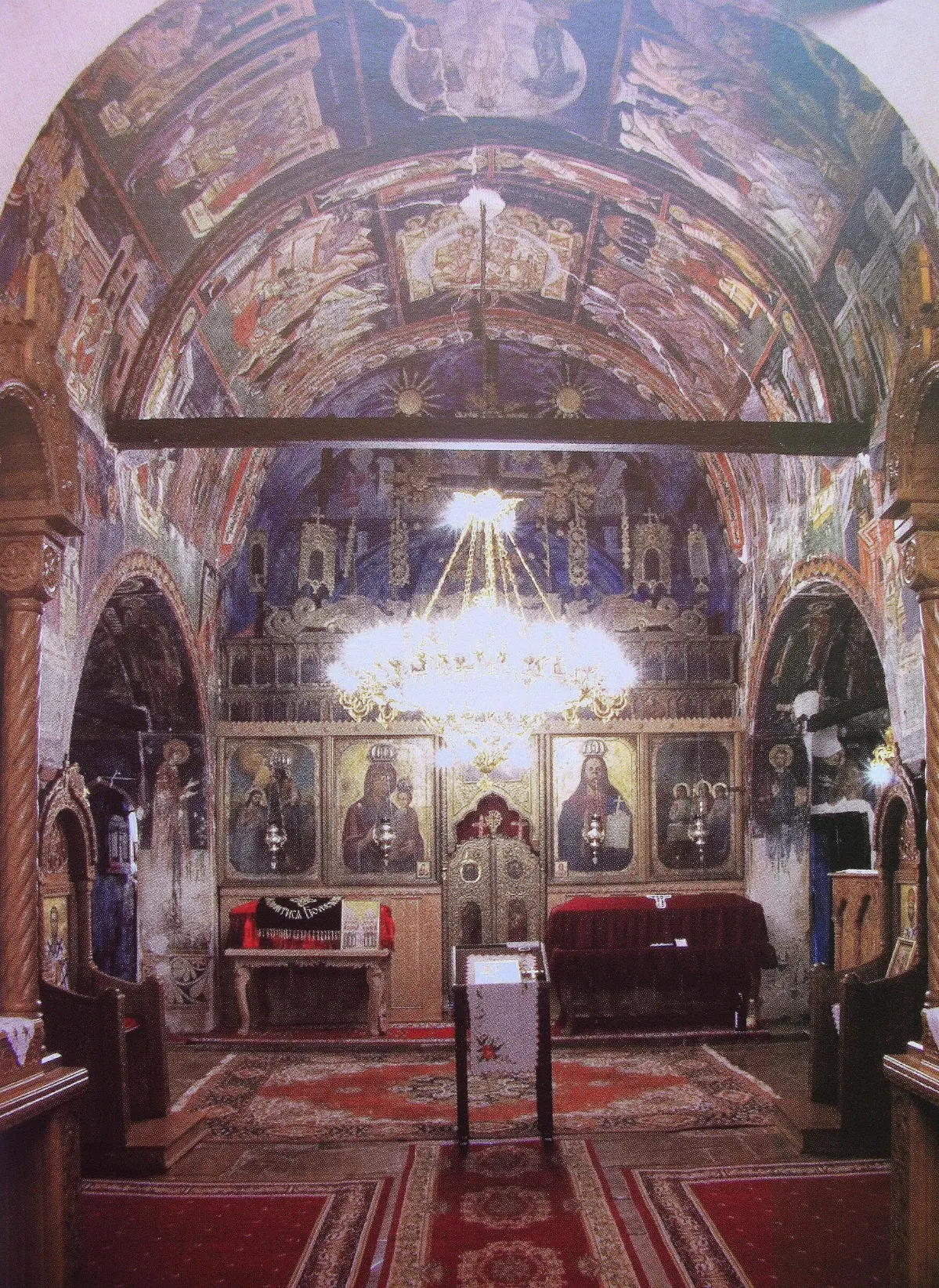
The oldest part of the church is almost square, with a large apse; four pillars divide the nave into a wider central aisle and two narrow side aisles, which is unusual for the region. The domed inner narthex was added in 1592 and the outer narthex in 1875/76. The church is partly set into the hillside, so the sanctuary floor lies almost two metres below the ground on the east side. The iconostasis was made around 1806/07 by Father Simeun Lazović.
Frescoes by Father Strahinja of Budimlje

Frescoes by Father Strahinja of Budimlje

The painter Father Strahinja of Budimlje first decorated the inner narthex – an inscription records the end of the work on 27 September 1592 – and then the nave and sanctuary, completed on 9 June 1595 (some sources give only 1595). On the south wall the founder, hieromonk Visarion, offers a model of the church to Christ; the north side shows the Nemanjić family tree, and the central vault the Holy Trinity enthroned. The paintings survive almost complete.

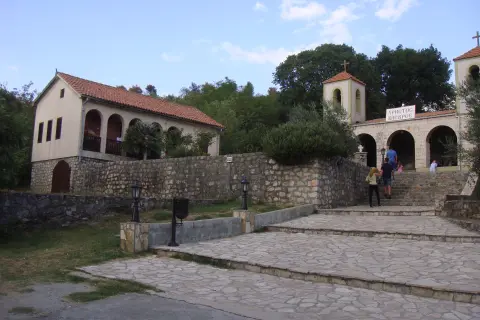
Treasury and museum in the Small Lodging

Treasury and museum in the Small Lodging

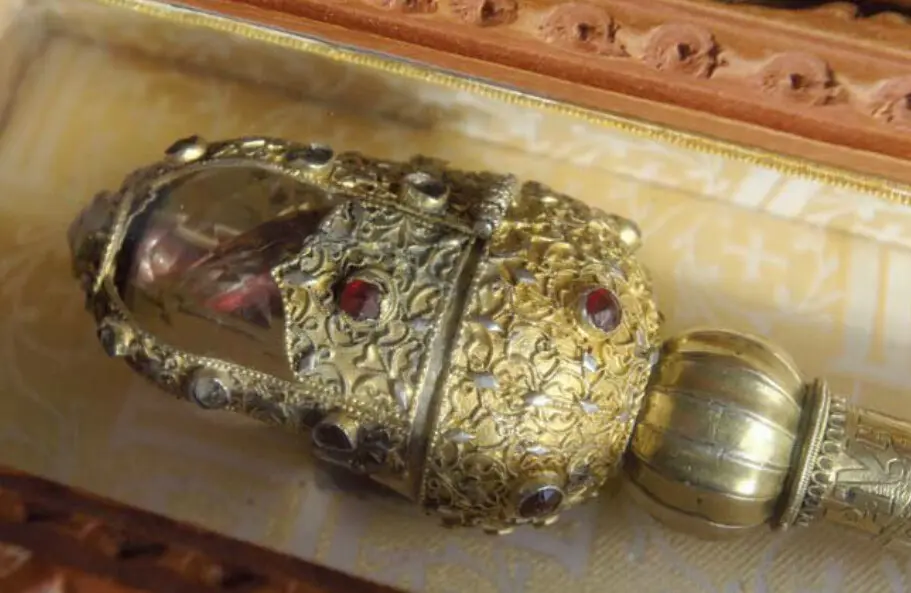
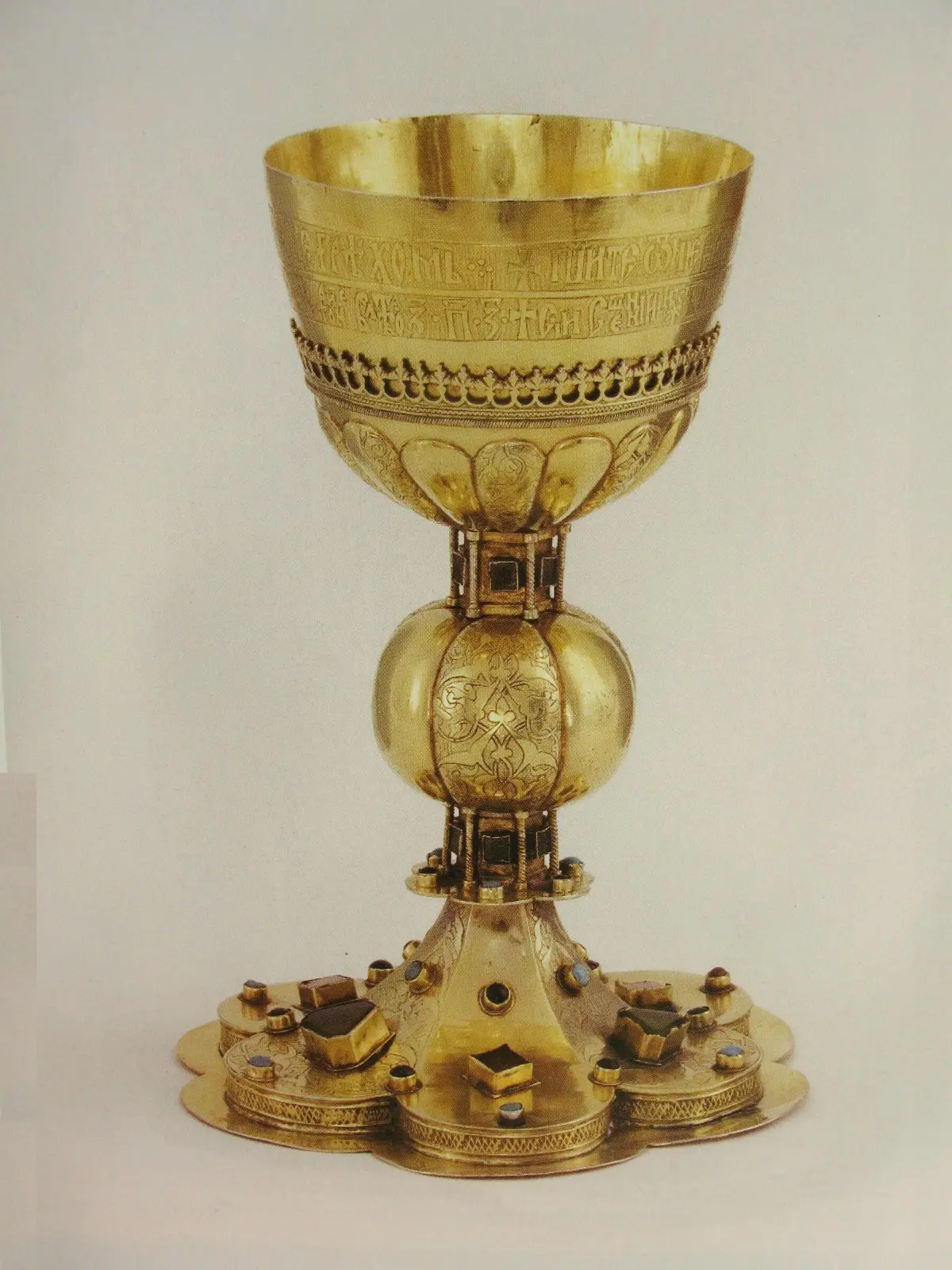
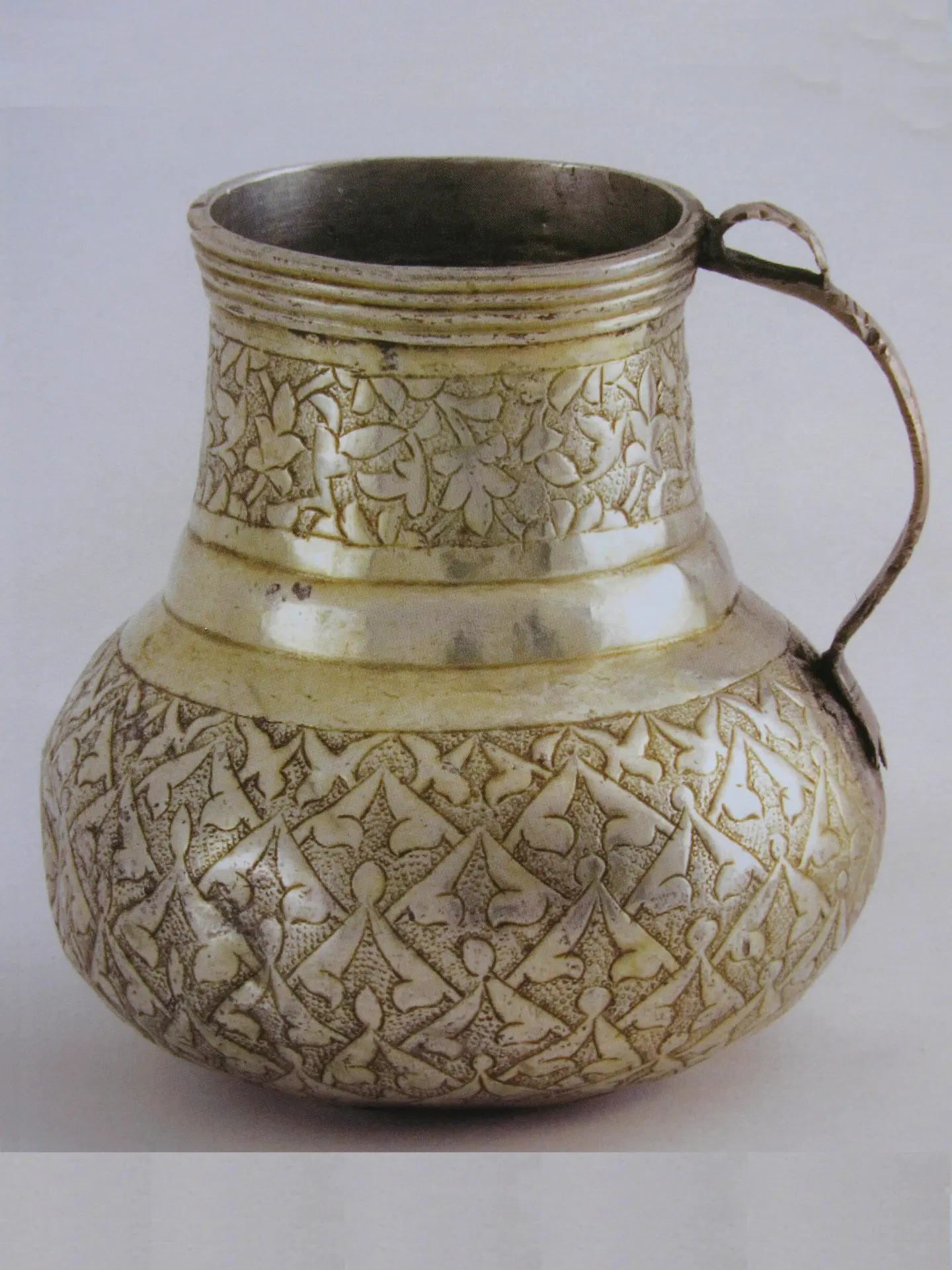
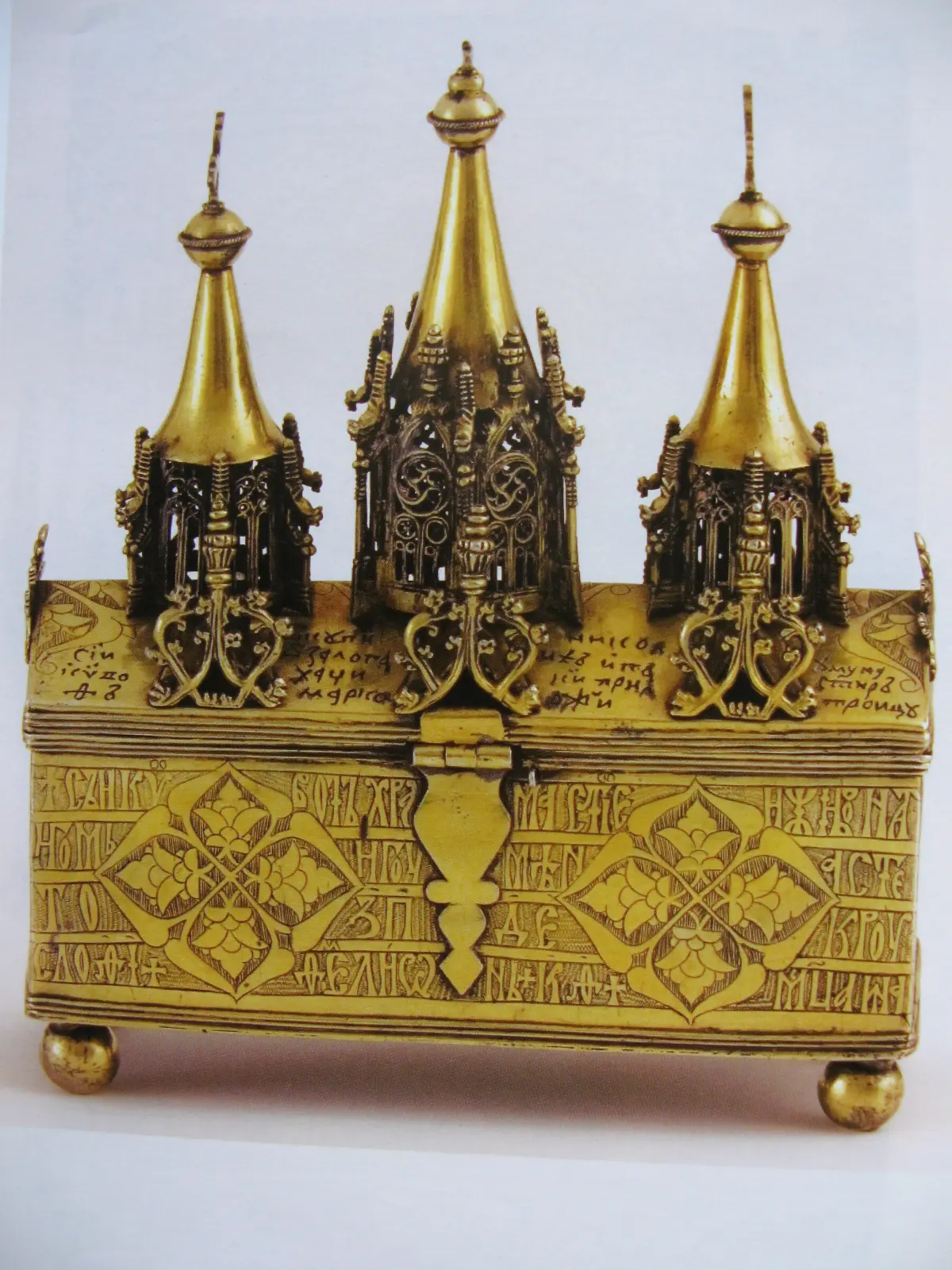
Since 2004 the treasury has been displayed on the first floor of the restored Small Lodging, with the library on the second. Among some sixty icons are a Nativity attributed to the painter Longin, icons by Andrija Raičević from 1645/46, 17th-century Cretan icons and a Russian icon of the Resurrection given by Count Sava Vladislavić. The goldsmiths' work includes the reliquary of Abbot Stefan from 1576, shaped like a small church with three domes, and a chalice of 1578/79; there are also two 15th-century stoles and church doors inlaid with bone (around 1600).

Scriptorium and library

Scriptorium and library

From the 1530s to the end of the 17th century monks copied books here; the work peaked in the first half of the 17th century. The names of the hieromonk Sava, Gavrilo Trojičanin from Šćepan Polje and others are known. Gavrilo's manuscript of 1649 (the Hexaemeron and the Christian Topography of Cosmas Indicopleustes) has 39 miniatures by Andrija Raičević. The library also holds the Pljevlja Synodikon of Orthodoxy, and some manuscripts from the monastery are now in Prague and Saint Petersburg.

The reliquary and staff of Saint Sava

The reliquary and staff of Saint Sava

In the nave stands a reliquary chest associated with Saint Sava and Mileševa, and the monastery also keeps the silver-mounted staff of Saint Sava. Sources disagree about the relics: the Pljevlja tourist board says part of Saint Sava's hand is kept here, while the monastery's own website and Serbian press say his left hand was once kept here and later returned to Mileševa. The monastery also lists relics of Saints Cosmas and Damian, Saint Thecla and the Forty Martyrs of Sebaste.

What to do

Activities in Holy Trinity Monastery

  • Liturgy and the Feast of the Holy Trinity

    Liturgy and the Feast of the Holy Trinity

    The liturgy is served on Saturdays, Sundays and holy days at 8 am. The monastery's feast is Pentecost (Trojičindan), fifty days after Easter; vespers are served the evening before.

  • Visit the treasury and library

    Culture

    Visit the treasury and library

    The museum in the Small Lodging shows icons, silverwork, church embroidery and manuscripts. Opening hours are not published, so ask at the monastery.

  • Walk from the centre of Pljevlja

    Mountains

    Walk from the centre of Pljevlja

    From the center of Pljevlja to the monastery is about 1.9 km, mostly uphill along the Breznica valley – about 25 minutes' walk.

Around here

Nearby places

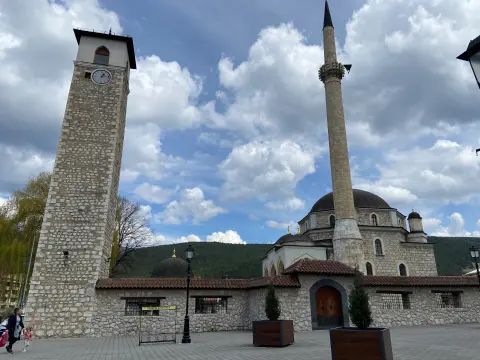
  1. Husein-pasha Mosque

    Husein-pasha Mosque

    Historical Site · 1.4 km

    A masterpiece of Islamic architecture from 1569 in the heart of Pljevlja.

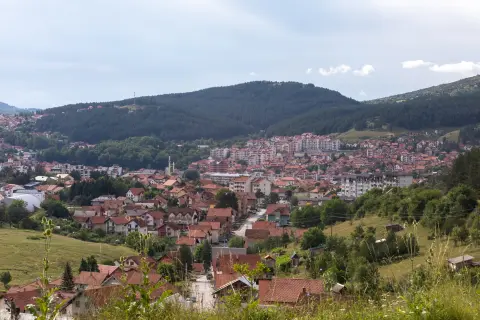
  2. Pljevlja

    Pljevlja

    City · 1.4 km

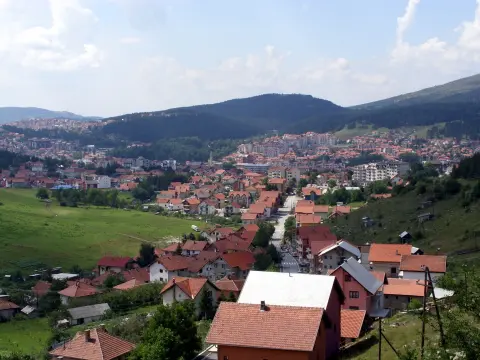
    Pljevlja is a city in northern Montenegro, known for the Monastery of the Holy Trinity, the Husein-Pasha Mosque, and the Meandri Ćehotine viewpoint.

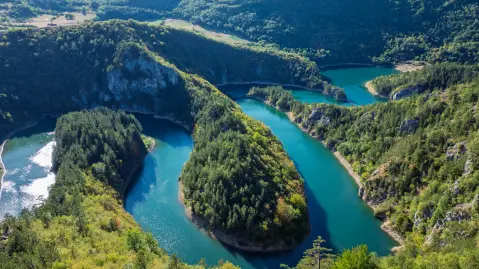
  3. Ćehotina Meanders Viewpoint

    Ćehotina Meanders Viewpoint

    Viewpoint · 11 km

    A natural phenomenon of the Ćehotina River meanders seen from a viewpoint in the village of Mataruge, ideal for photography and enjoying nature.

Did You Know?

The north wall of the nave shows the Nemanjić family tree, but King Uroš I is missing – his portrait was lost when a door for the monks was cut through the wall.

Plan Your Visit

Weather & Useful Info

When to come

Monthly averages – Pljevlja.

  • Jan: Air (max) 5 °C
  • Feb: Air (max) 8 °C
  • Mar: Air (max) 10 °C
  • Apr: Air (max) 14 °C
  • May: Air (max) 20 °C
  • Jun: Air (max) 24 °C
  • Jul: Air (max) 27 °C
  • Aug: Air (max) 26 °C
  • Sep: Air (max) 21 °C
  • Oct: Air (max) 18 °C
  • Nov: Air (max) 11 °C
  • Dec: Air (max) 7 °C
Air (max)Best time to visit
Climate and weather – Pljevlja
The monastery can be visited all year. It is busiest at Pentecost (Trojičindan), fifty days after Easter, when the monastery celebrates its feast; for a quieter visit choose a weekday.

Visitor tip

The monastery is active: dress modestly (covered shoulders and knees) and follow the monks' instructions in the church. If you want to see the treasury and library, announce yourself or ask on arrival – opening hours are not published. From the center of Pljevlja it is a pleasant walk of about 25 minutes.

Good to know

Opening hours
Liturgy on Saturdays, Sundays and holy days at 8 am; treasury opening hours are not published – ask at the monastery.

Getting Here

By Plane

The nearest airport is Podgorica (TGD). From there Pljevlja is about 3.5 hours by car via Kolašin and Mojkovac.

By Car

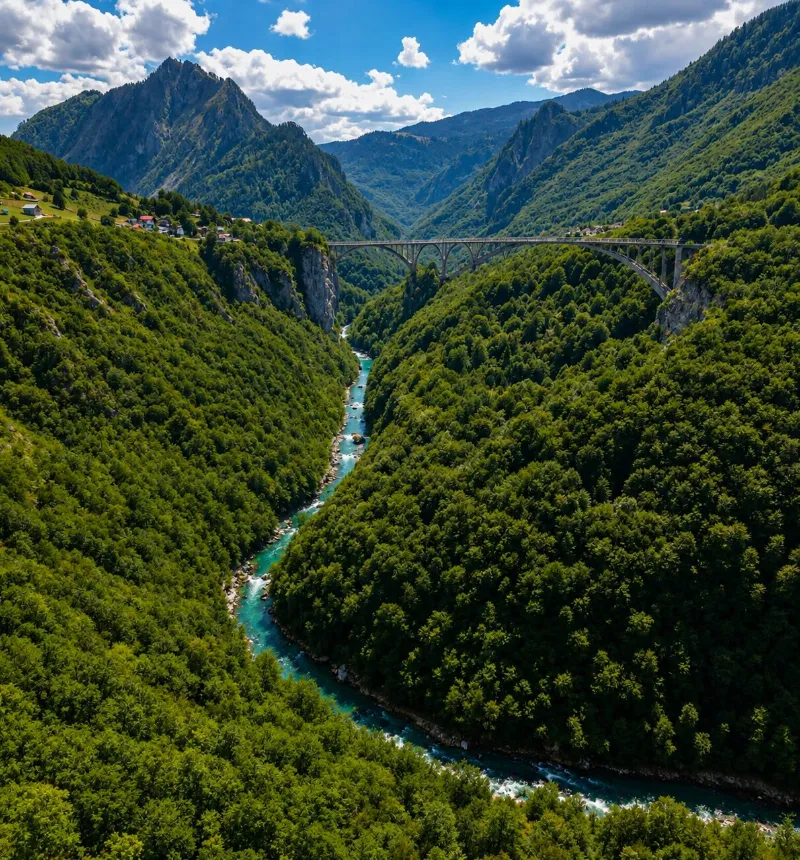
From the centre of Pljevlja the monastery is about 1.8 km by road (5 minutes). From Podgorica it is about 164 km via Kolašin, Mojkovac and the Đurđevića Tara Bridge (about 3.5 hours), and from Žabljak about 62 km (about 1.5 hours).

By Bus

Pljevlja has an intercity bus station. From there the monastery is about 2.3 km on foot (around 30 minutes) or a short taxi ride.

Open in Google Maps
Day plan

Suggested Itineraries

Holy Trinity Monastery for half a day

  1. Day 1 · Pljevlja

    Holy Trinity Monastery and the town centre

    Come to the monastery in the morning – on Saturdays and Sundays the liturgy starts at 8 o'clock. See the church and the frescoes of priest Strahinja, and if it is open, the treasury in Mali Konak; allow about an hour for the visit. Then walk down to the town center (about 25 minutes). In the afternoon you can go to the Meandri Ćehotine viewpoint.
FAQ

Frequently Asked Questions

On a plateau above the Breznica stream, about 2 km northeast of the center of Pljevlja. From the town center it is about 1.9 km on foot (25 minutes), and from the bus station about 2.3 km (30 minutes). The monastery can also be reached by car.

The exact year is not known. Tradition attributes it to the Nemanjić dynasty, and researchers believe a church stood here before 1465. The first certain written record is a note by the hieromonk Sava from 1537.

Father Strahinja of Budimlje: the inner narthex in 1592, and the nave and sanctuary in 1594–1595. The frescoes survive almost complete.

The treasury and library have been displayed in the Small Lodging since 2004. Opening hours and admission are not published, so it is best to ask at the monastery (phone +382 52 352 025).

According to the monastery, on Saturdays, Sundays and holy days at 8 am. For the monastery's feast at Pentecost, fifty days after Easter, vespers are served at 6 pm the evening before and the liturgy at 8 am.

Sources disagree. The Pljevlja tourist board says the monastery keeps the reliquary and the relics of Saint Sava's hand, while the monastery's website says his left hand was once kept here and later returned to Mileševa, where it is today. The monastery does keep the staff of Saint Sava.