Travel to Montenegro
Museums of Montenegro

From Illyrian sites to royal palaces — the National Museum of Montenegro in Cetinje preserves over 3,000 exhibits and a thousand years of history of a small but incredibly rich country.

Museums of Montenegro

1896

Year Founded

Over 3,000

Number of Exhibits

Cetinje (historic core)

Location

€3 / combined €7

Admission Price

09:00 – 17:00, every day

Opening Hours

5 museums + mausoleums

Number of Museum Units

museumsCetinjehistoryarchaeologyNational Museumcultural heritage
Culture & History
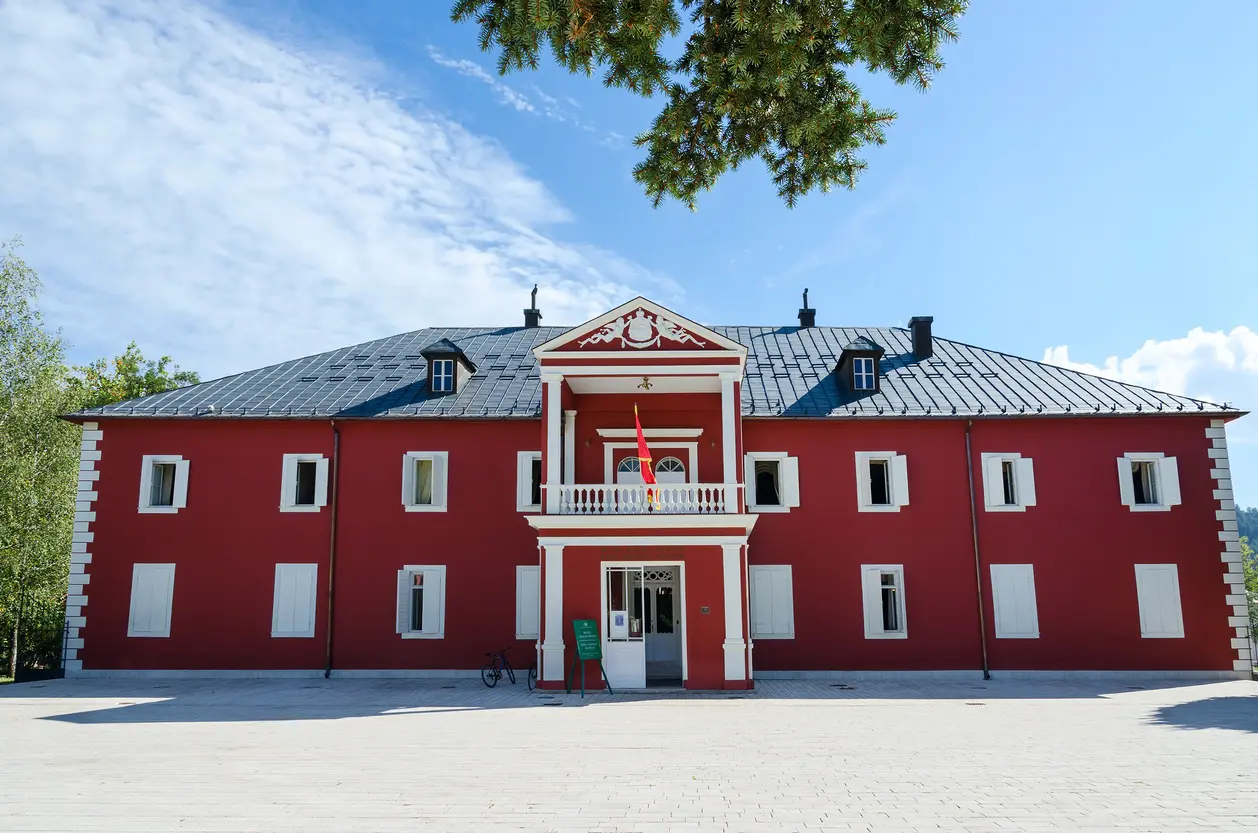
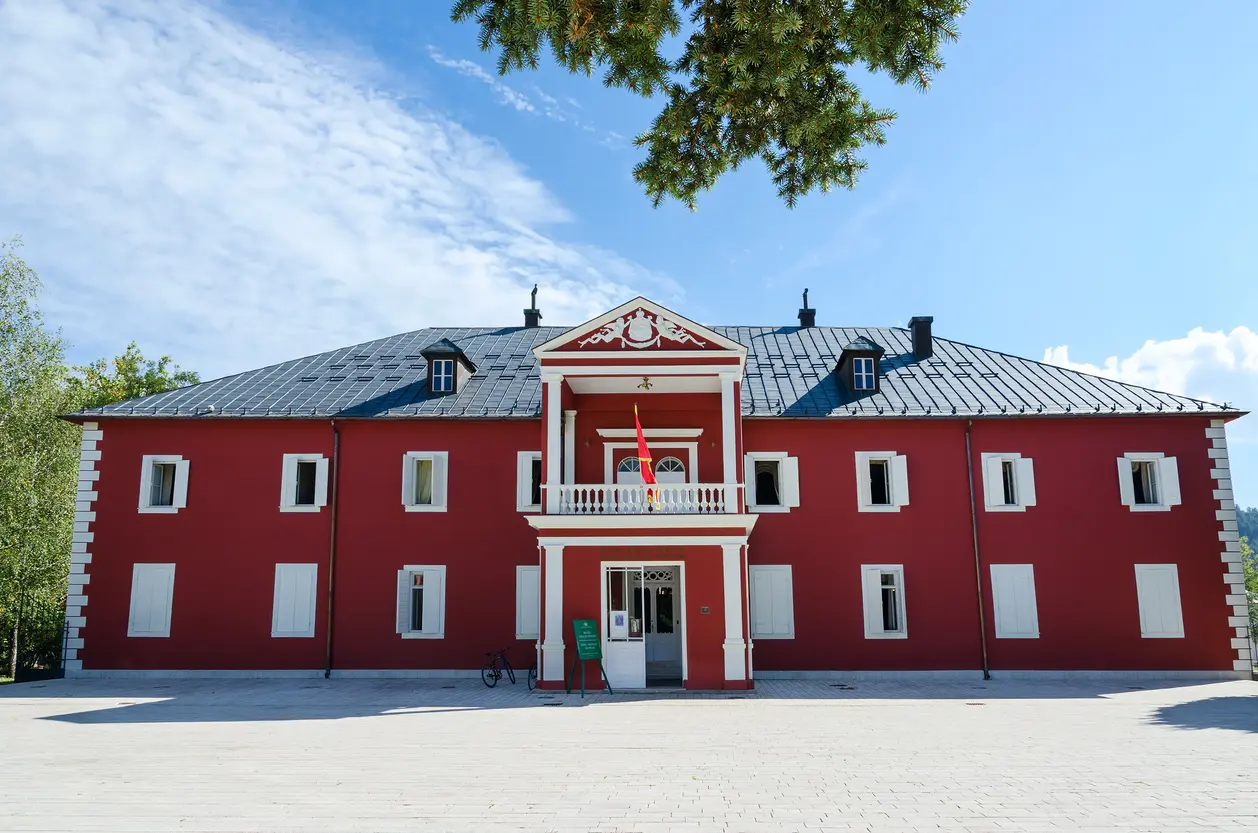
The National Museum of Montenegro in Cetinje is a complex institution encompassing five museums, several historic buildings and mausoleums — all within the small area of the historic core of the former capital. Founded in 1896, the museum preserves collections spanning from the Palaeolithic to the 20th century: Illyrian weapons, Ottoman architecture, royal uniforms and diplomatic gifts. Of particular value is the Art Museum, home to the icon of the Virgin Philermos and a collection of over 3,000 exhibits. Beyond Cetinje, the museum network extends from Kotor and Perast to Budva and Ulcinj, offering a glimpse into the ancient, Mediterranean and Ottoman layers of Montenegro's past. For history enthusiasts, one day in Cetinje is simply not enough.

Culture & History

Featured

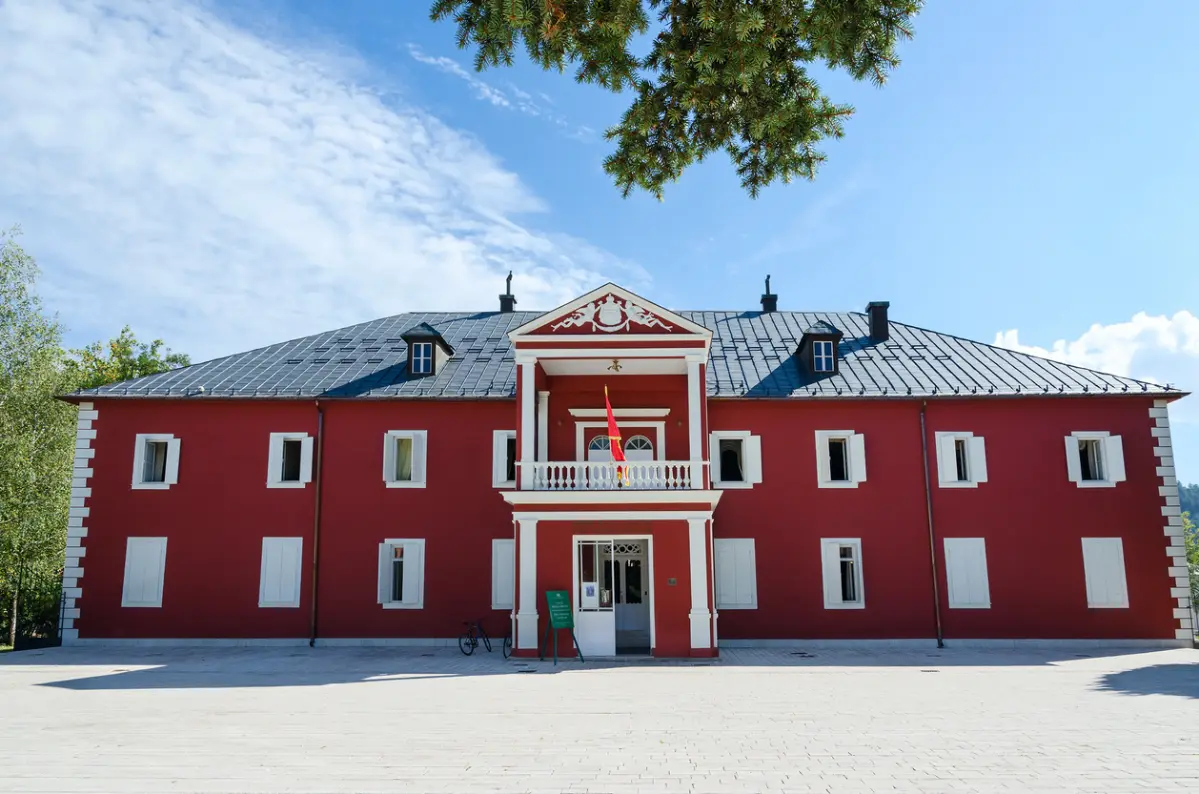
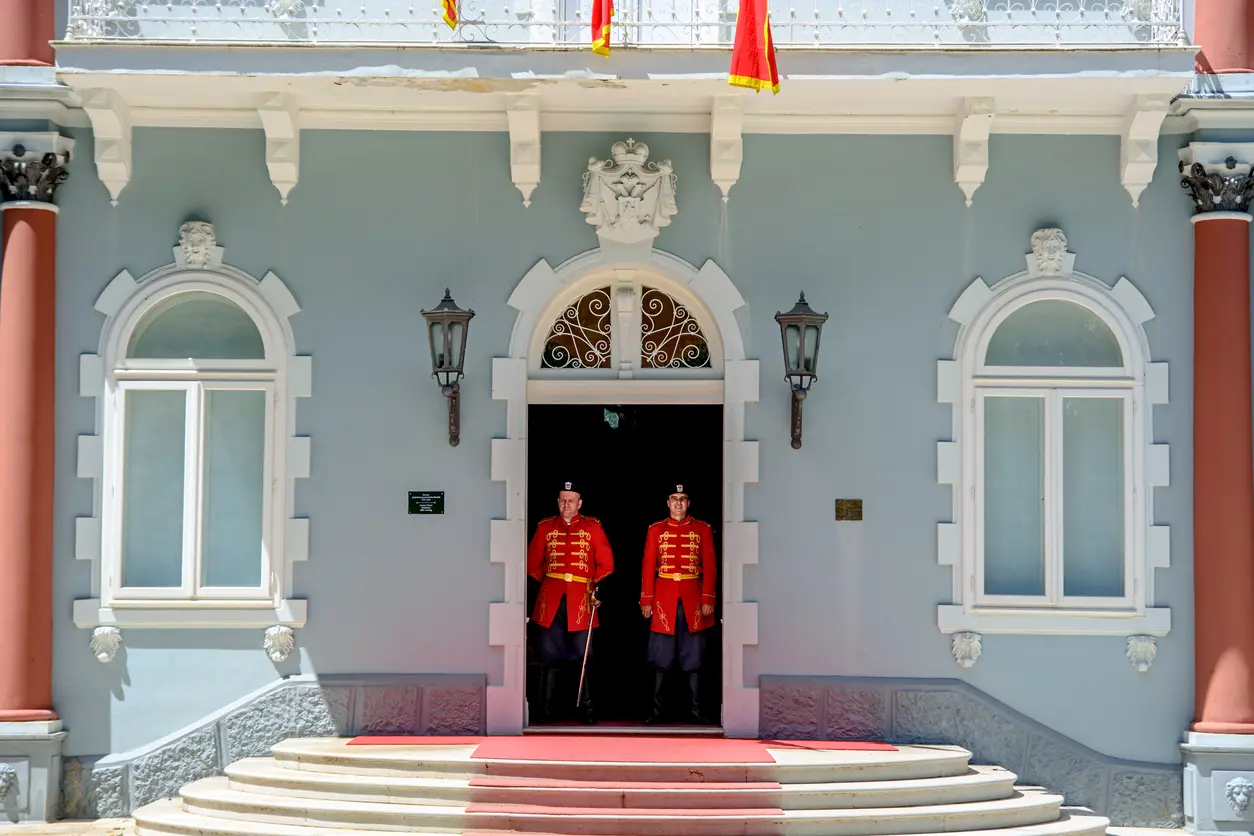
Museum of King Nikola
01

Museum of King Nikola

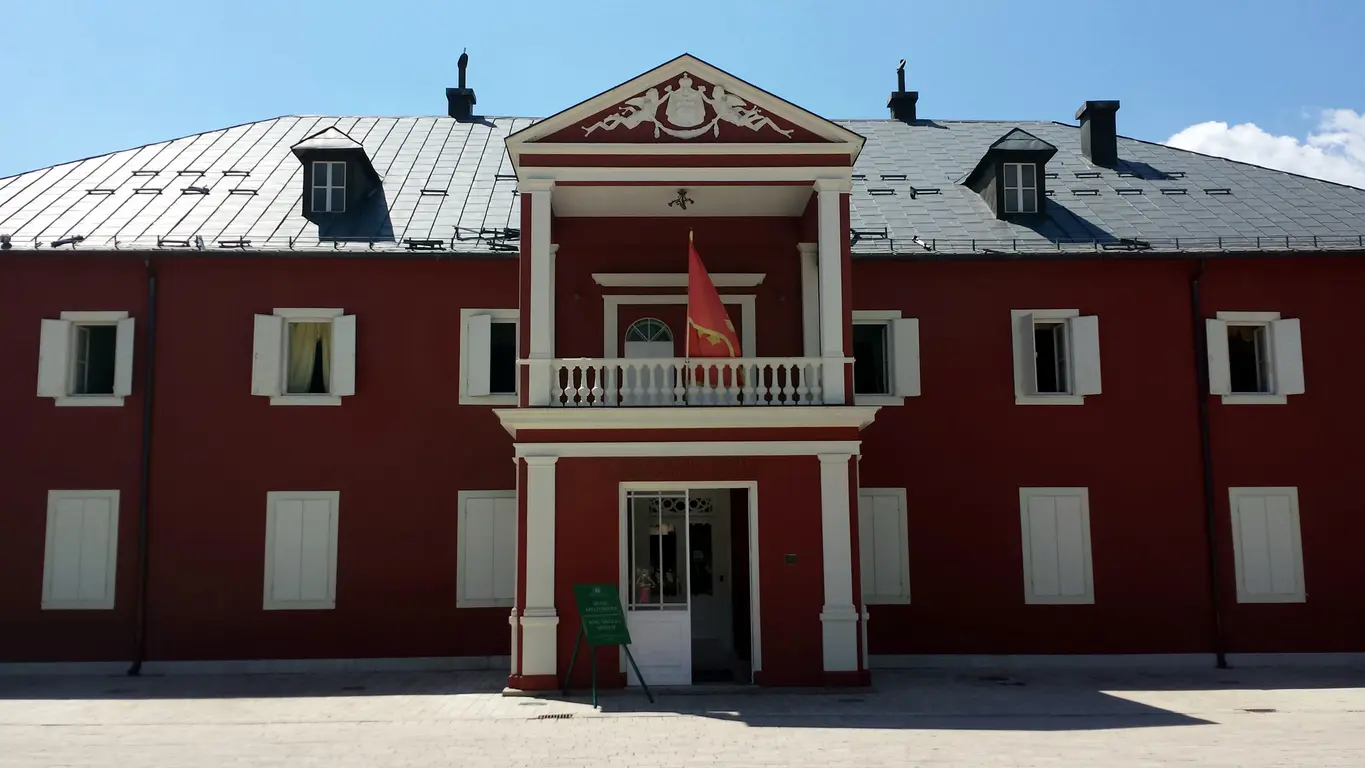
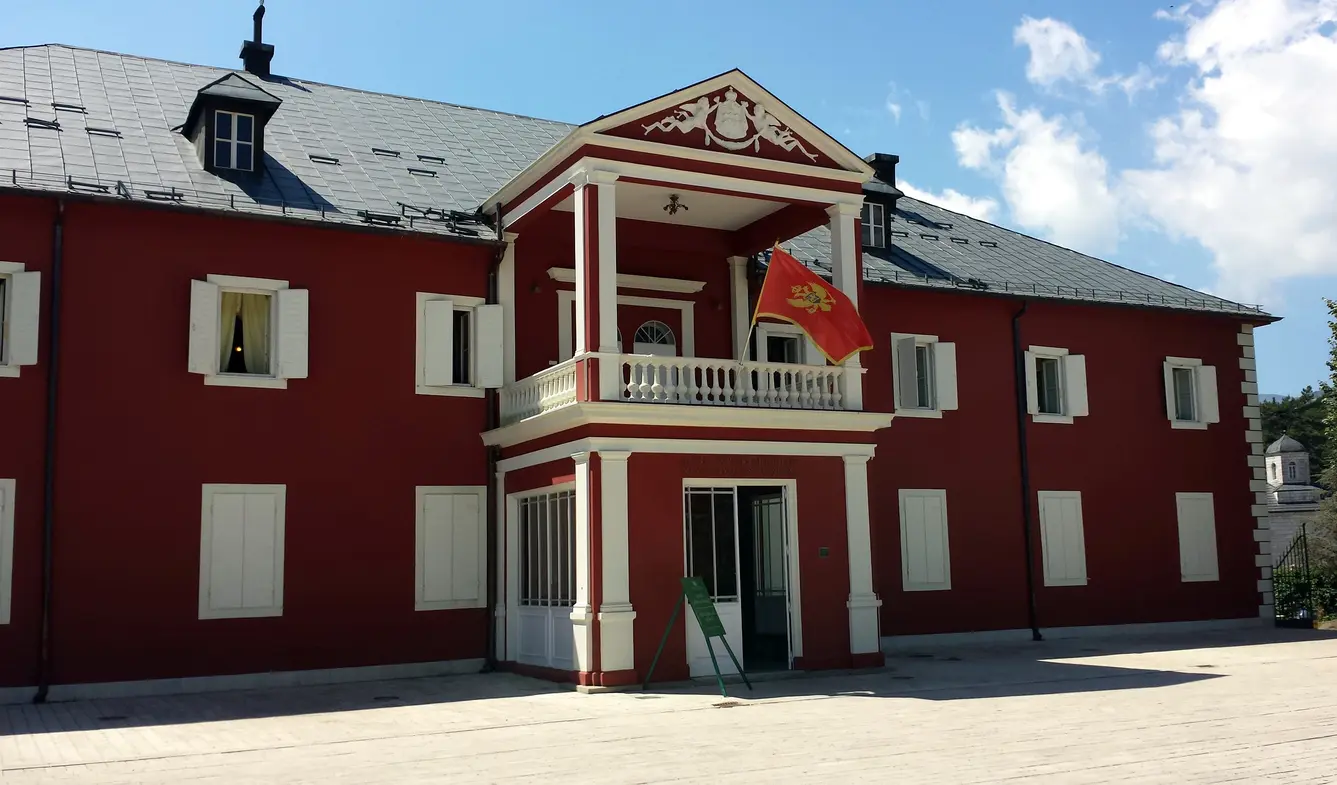
Founded in 1926 in the residence of Montenegro's last ruler, Nikola I Petrović Njegoš. It preserves personal belongings, uniforms, diplomatic gifts and the correspondence of the king whose daughters were married to European rulers — hence his title 'the father-in-law of Europe'.

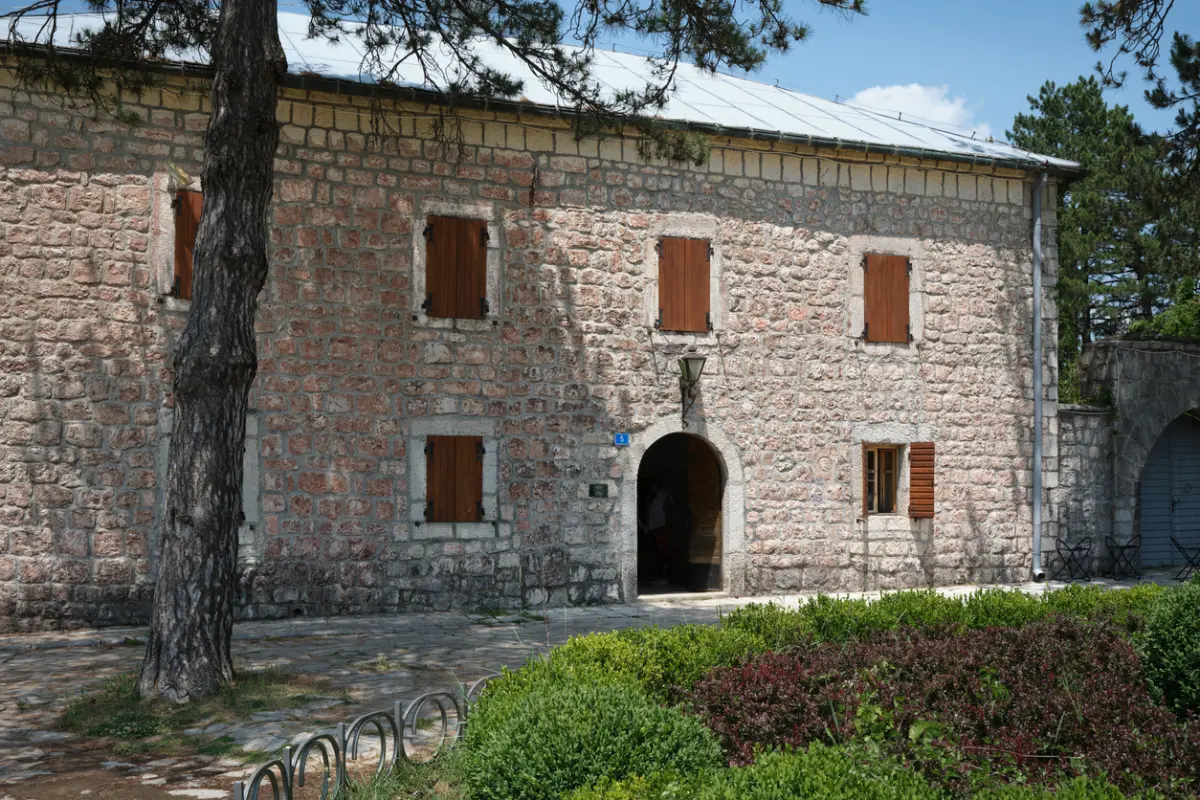
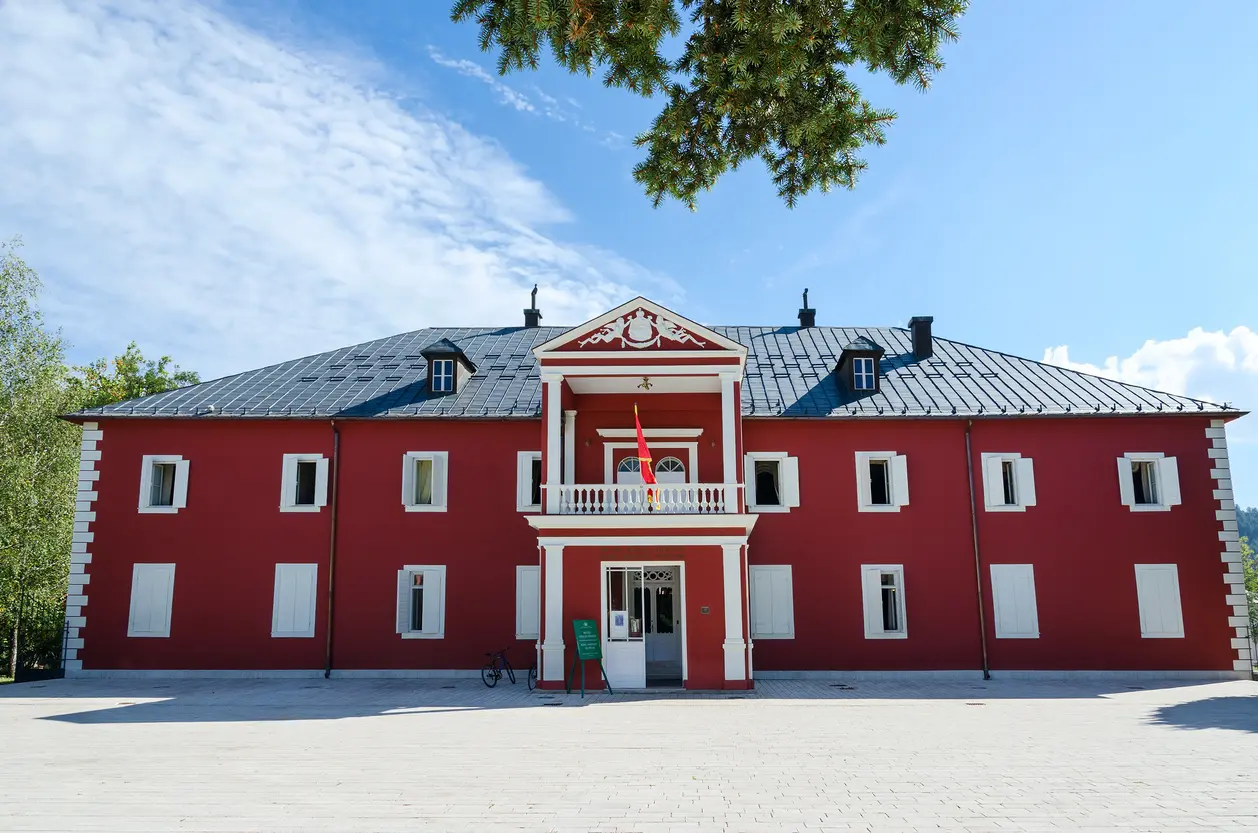
Biljarda — Njegoš Museum
02

Biljarda — Njegoš Museum

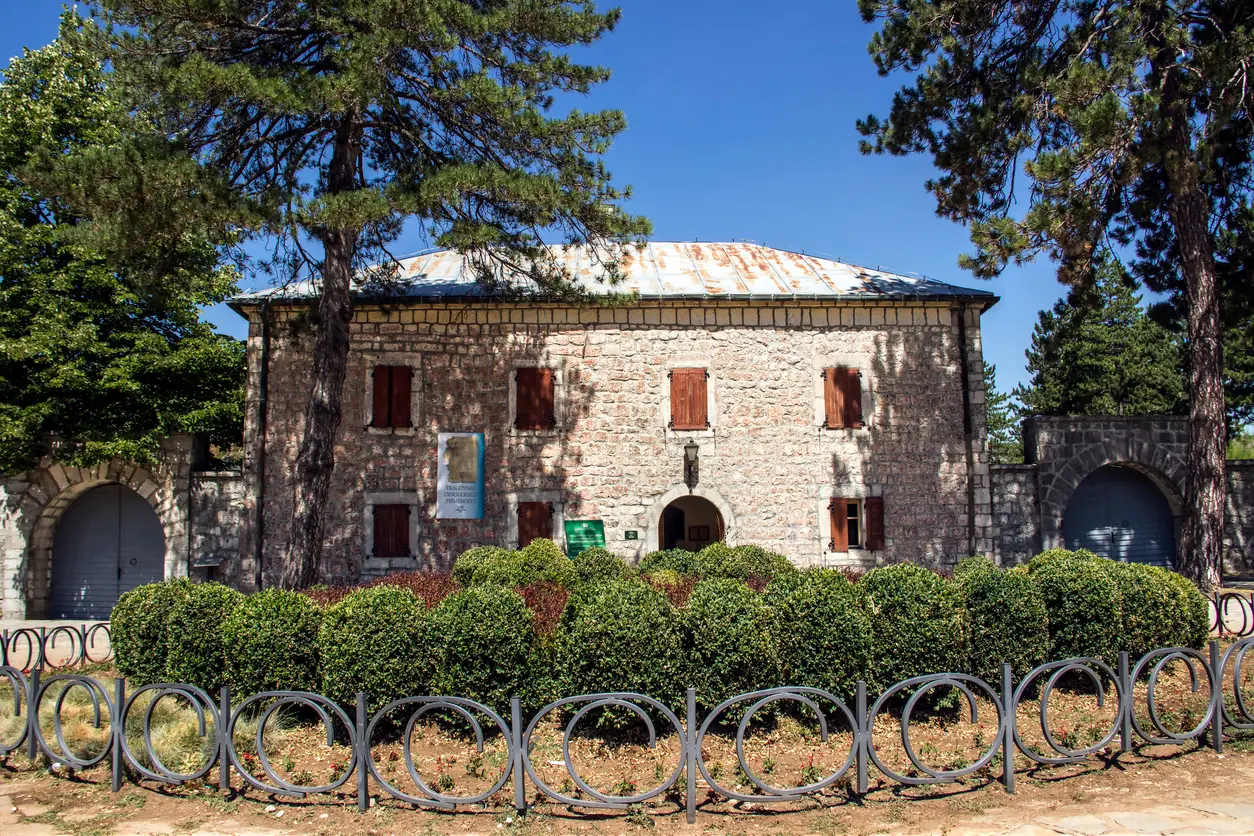
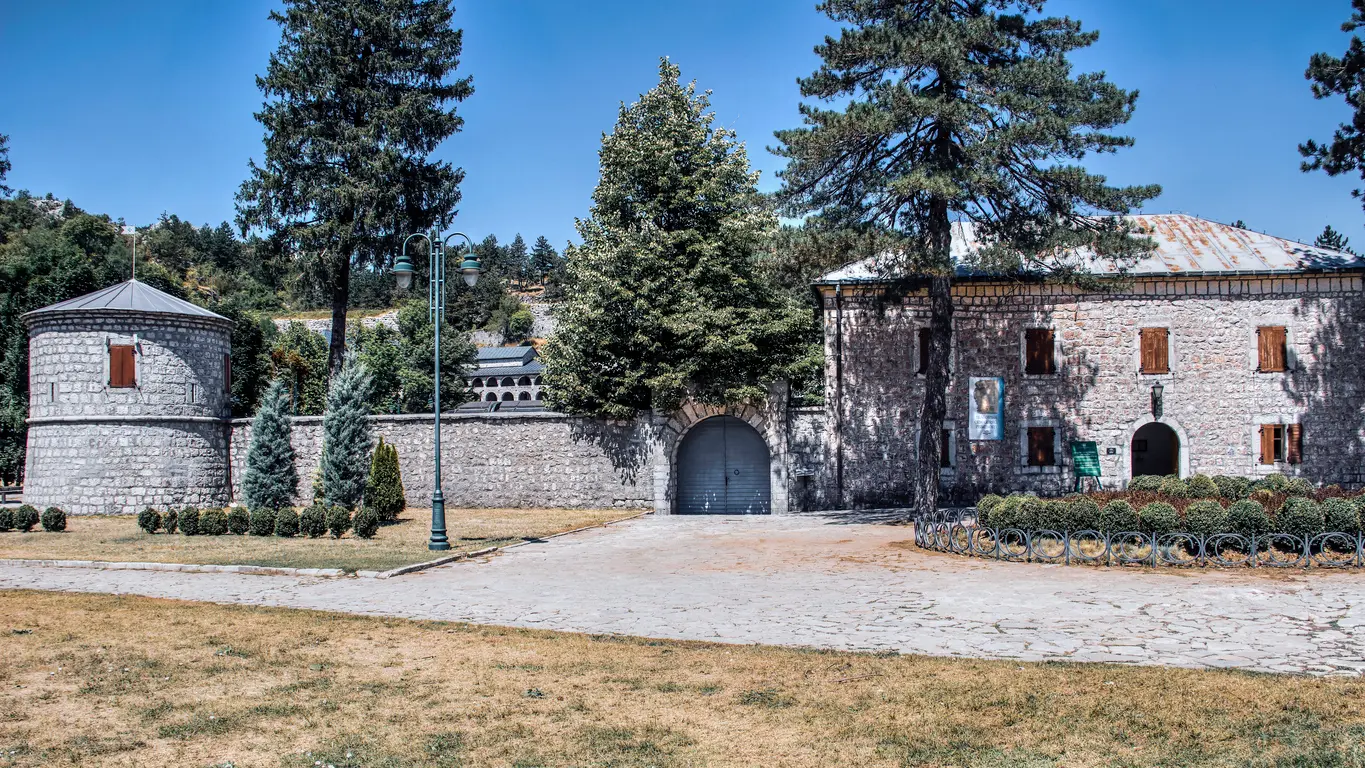
The residence of Petar II Petrović Njegoš, built in 1838 to a design by Jakov Ozereckovský. It takes its name from the billiard table brought from Vienna — the first in Montenegro. Today it is a memorial museum dedicated to the poet, bishop and philosopher.

Icon of the Virgin Philermos
03

Icon of the Virgin Philermos

Kept in the Blue Chapel of the Art Museum. A relic that has travelled from Jerusalem, Rome, Malta and Russia to Cetinje. According to tradition, the icon was painted by the Apostle Luke. It was the property of the Knights Hospitaller since the time of the Crusades.

Archaeological Museum and Lapidarium
04

Archaeological Museum and Lapidarium

Founded in 2012 and situated in the courtyard of Biljarda. It displays finds from the Illyrian, Greek and Roman periods, including stone inscriptions and objects from Crvena Stijena — a Palaeolithic site more than 12,000 years old on the border with Herzegovina.

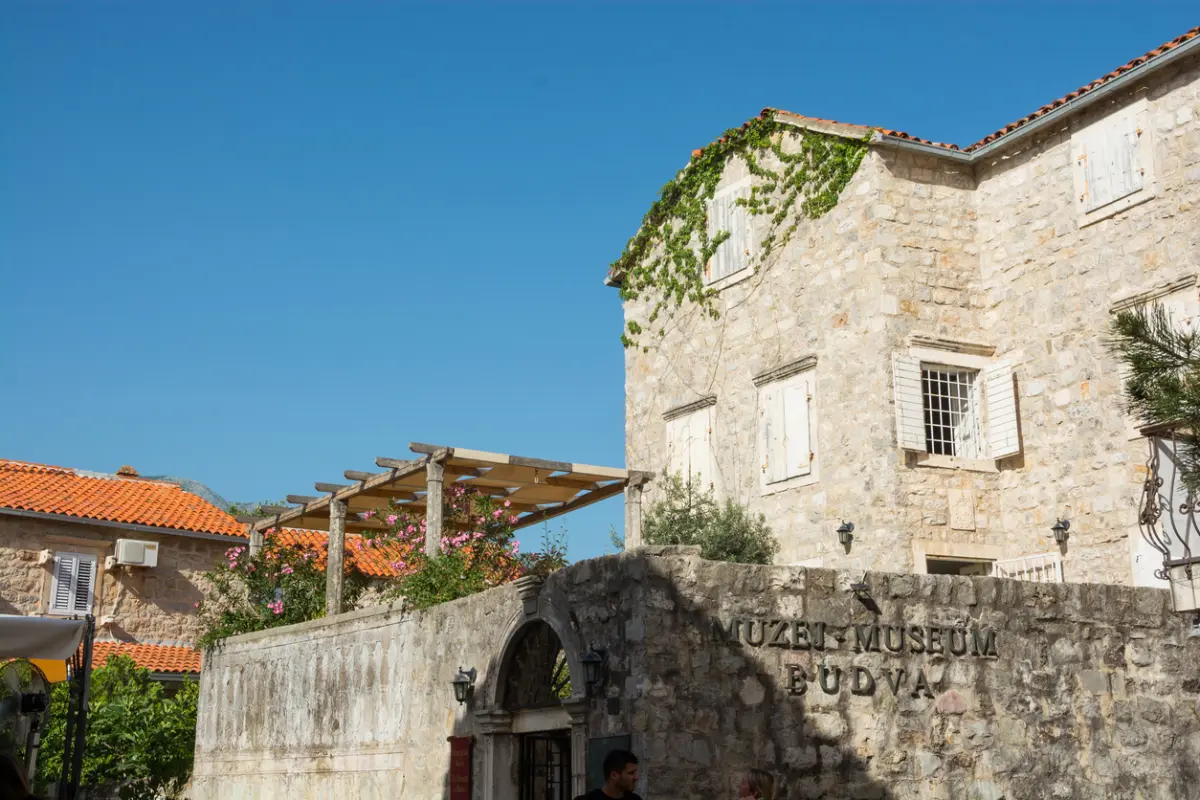
City Museum of Budva
05

City Museum of Budva

Located in King Nikola's palace from 1890 in the Old Town. It holds a Greco-Illyrian helmet from the 5th century BC, gold jewellery and Roman vessels discovered by chance during construction in front of Budva's Old Town. Entrance fee: €1.

Places to Visit

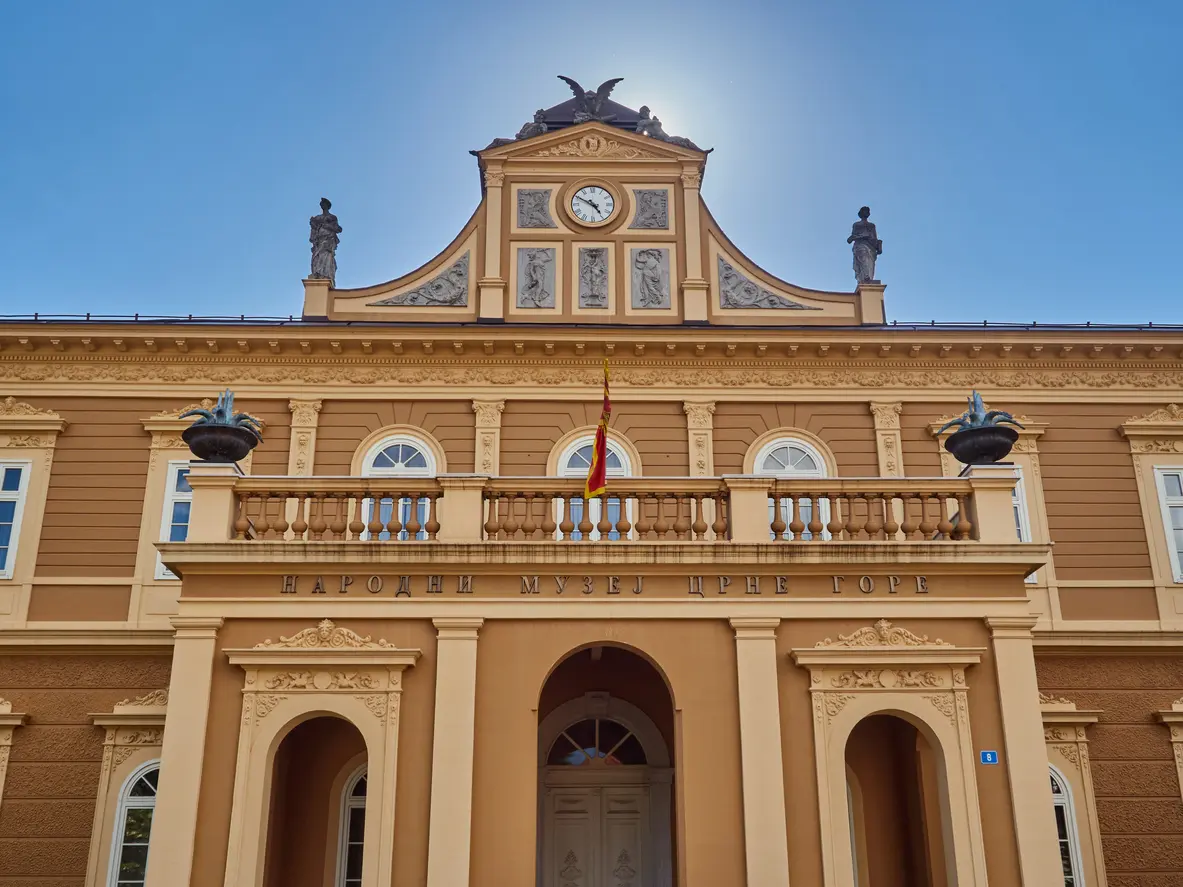
National Museum of Montenegro — Government House
01

National Museum of Montenegro — Government House

Cetinje, Novice Cerovića 7

Zgrada iz 1910. u neo-renesansnom stilu, administrativno sjedište Narodnog muzeja. Sadrži stalnu postavku Istorijskog i Umjetničkog muzeja, uključujući ikonu Bogorodice Filermose. Ulaz 3€, otvoreno 9–17h.

Muzej kralja Nikole
02

Muzej kralja Nikole

Cetinje, Trg kralja Nikole

Founded in 1926 in the former residence of King Nikola I Petrović Njegoš. It holds personal belongings, uniforms, diplomatic gifts and portraits of the royal family that ruled Montenegro from 1697 to 1916.

Biljarda — Muzej Petra II Petrovića Njegoša
03

Biljarda — Muzej Petra II Petrovića Njegoša

Cetinje, istorijsko jezgro

The 1838 residence of Petar II Petrović Njegoš, now a memorial museum. It takes its name from a billiard table brought from Vienna — the first in Montenegro. Next to the building is the Lapidarium of the Archaeological Museum.

Muzej grada Budve
04

Muzej grada Budve

Budva, Stari grad

Smješten u palati kralja Nikole iz 1890. u Starom gradu Budve. Čuva grčko-ilirski šljem iz 5. vijeka p.n.e., zlatni nakit i rimske predmete pronađene ispred Starog grada. Ulaz 1€.

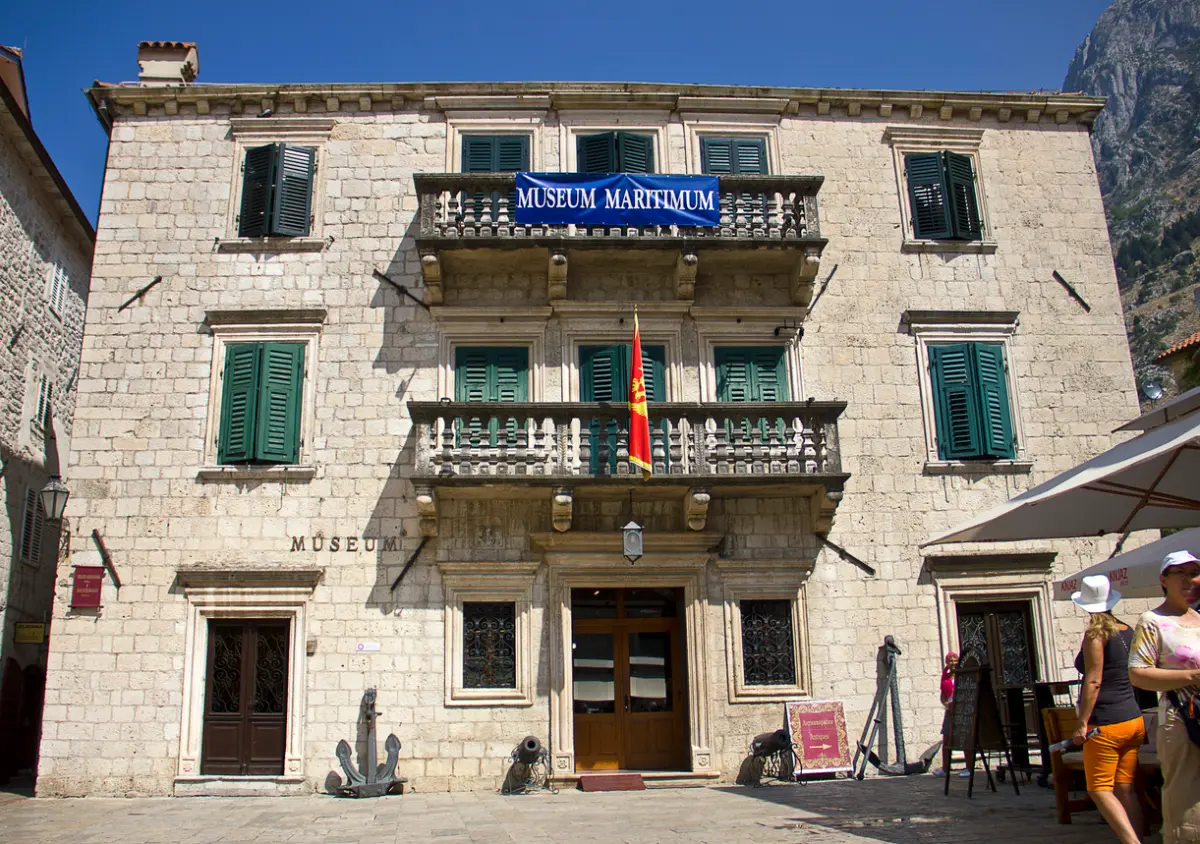
Maritime Museum of Kotor
05

Maritime Museum of Kotor

Kotor, Stari grad

One of the most visited museums in Montenegro, housed in the Grgurina Palace in Kotor's Old Town. It traces the maritime and cultural history of the Bay of Kotor from antiquity to the 19th century. Entry €4 for adults.

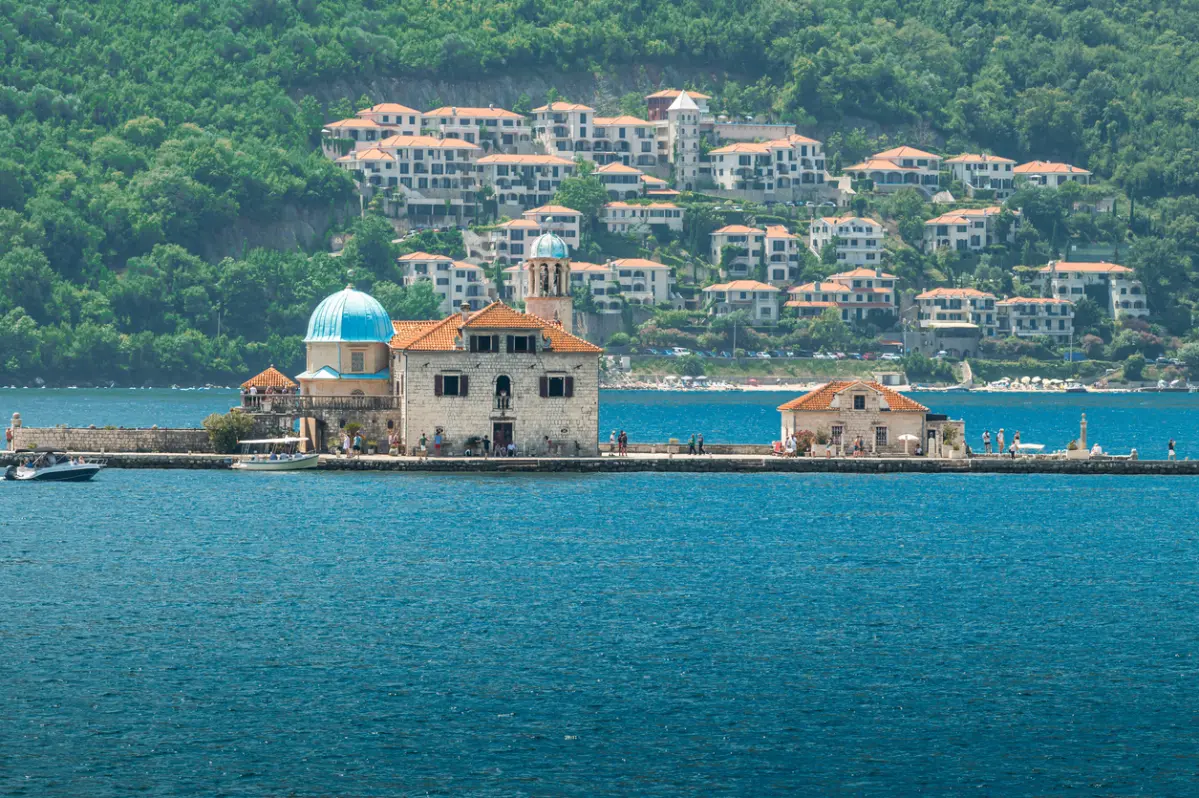
Muzej Gospe od Škrpjela
06

Muzej Gospe od Škrpjela

Perast, Boka Kotorska

A church-museum on a small islet off Perast, one of the most recognisable symbols of the Bay of Kotor. It holds valuable religious and historical artefacts, including votive offerings from the 17th century. Boats to the island depart from Perast.

Five Museums, One Capital

Cetinje: the year 1896, royal palaces and thousands of years of history in one square

Five Museums, One Capital

The National Museum of Montenegro was founded in 1896 and today holds more than 3,000 exhibits — from Palaeolithic finds to an icon believed to have been painted by the Apostle Luke.

The National Museum of Montenegro preserves the Oktoih Prvoglasnik — one of the first books printed in the Slavic langua

Did You Know?

The National Museum of Montenegro preserves the Oktoih Prvoglasnik — one of the first books printed in the Slavic language, from 1494, just 40 years after Gutenberg's Bible. Montenegro had a printing press before most European countries.

FAQ

Quick Facts

A single ticket for each museum costs €3, and €1.50 for pupils and students. A combined ticket for all museums in Cetinje costs €7 and is the best value option if you plan to visit more than two museums.
The complex includes the History Museum, the Museum of King Nikola, the Museum of Petar II Petrović Njegoš (Biljarda), the Ethnographic Museum, the Art Museum and the Archaeological Museum with the Lapidarium. Outside Cetinje, the network includes Njegoš's birthplace in Njeguši and the Mausoleum on Lovćen.
A brief tour of all five museums requires at least 4–5 hours. We recommend dedicating a full day to Cetinje, with a lunch break in the town centre. If your time is limited, prioritise the Museum of King Nikola and Biljarda — these are the two most impressive spaces with the best context for Montenegrin history.
Absolutely. The Maritime Museum in Kotor (Grgurina Palace, Old Town), the Museum of Our Lady of the Rocks in Perast, the City Museum of Budva in the Old Town and the Museum of Ulcinj in the Old Fortress all offer excellent regional collections. The museum in Danilovgrad has Illyrian weapons from the 3rd century BC and offers free admission.
The Oktoih Prvoglasnik from 1494 is one of the first books printed in the Slavic language, produced just 40 years after Gutenberg's Bible. It is preserved in the National Museum of Montenegro and bears witness to the fact that Montenegro had a printing press before most European countries.
From Podgorica, Cetinje is about 36 km away — the drive takes 40 minutes via the motorway. From Kotor, the route goes over Mount Lovćen, approximately 30 km, but the road is winding and takes 45–60 minutes. Parking in the centre of Cetinje is free. Bus services from Podgorica run several times a day.

Travel Assistant

Ask about Montenegro

Welcome!

Ask me about destinations, restaurants or activities.