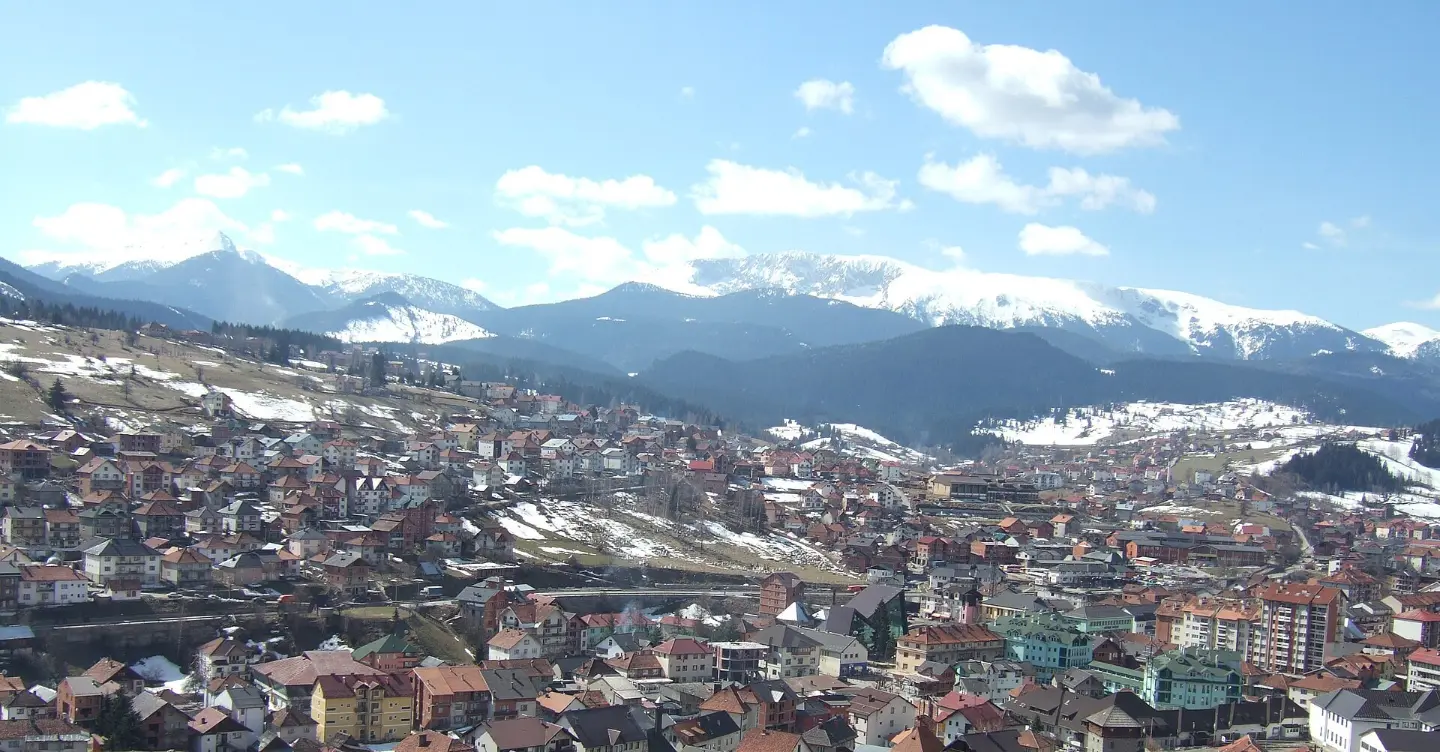
Mountain town in northeastern Montenegro, at 1,000 m
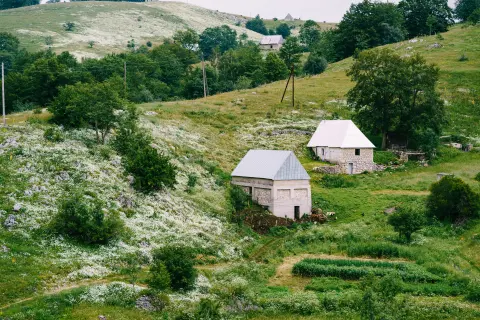
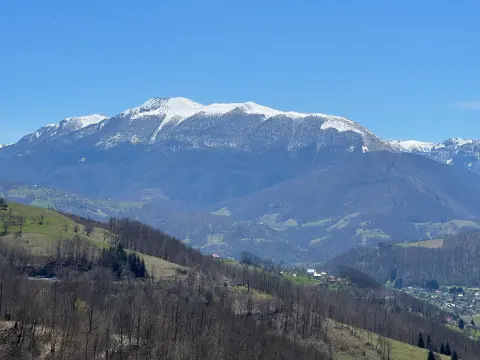
Rožaje lies at an altitude of around 1,000 metres, in the valley of the Ibar river, surrounded by the mountain massifs of Hajla, Mokra Gora, and Štedim. The town is a natural crossroads between Montenegro, Serbia, and Kosovo, with a rich Ottoman heritage reflected in its architecture, traditions, and culture. The surrounding area offers unspoiled nature — forested zones, mountain pastures, and numerous springs ideal for hiking, cycling, and mountaineering throughout the year. Mount Hajla, which forms the southern boundary of the Rožaje basin, is particularly prized as a botanical garden full of medicinal herbs, blueberries, and wild forest fruits.
Location
Northeastern Montenegro
Altitude
approx. 1,000 m
Population
approx. 22,000
Municipality Area
approx. 432 km²
Annual Humidity
70–80%
Historical Heritage
Ottoman Era
Highlights
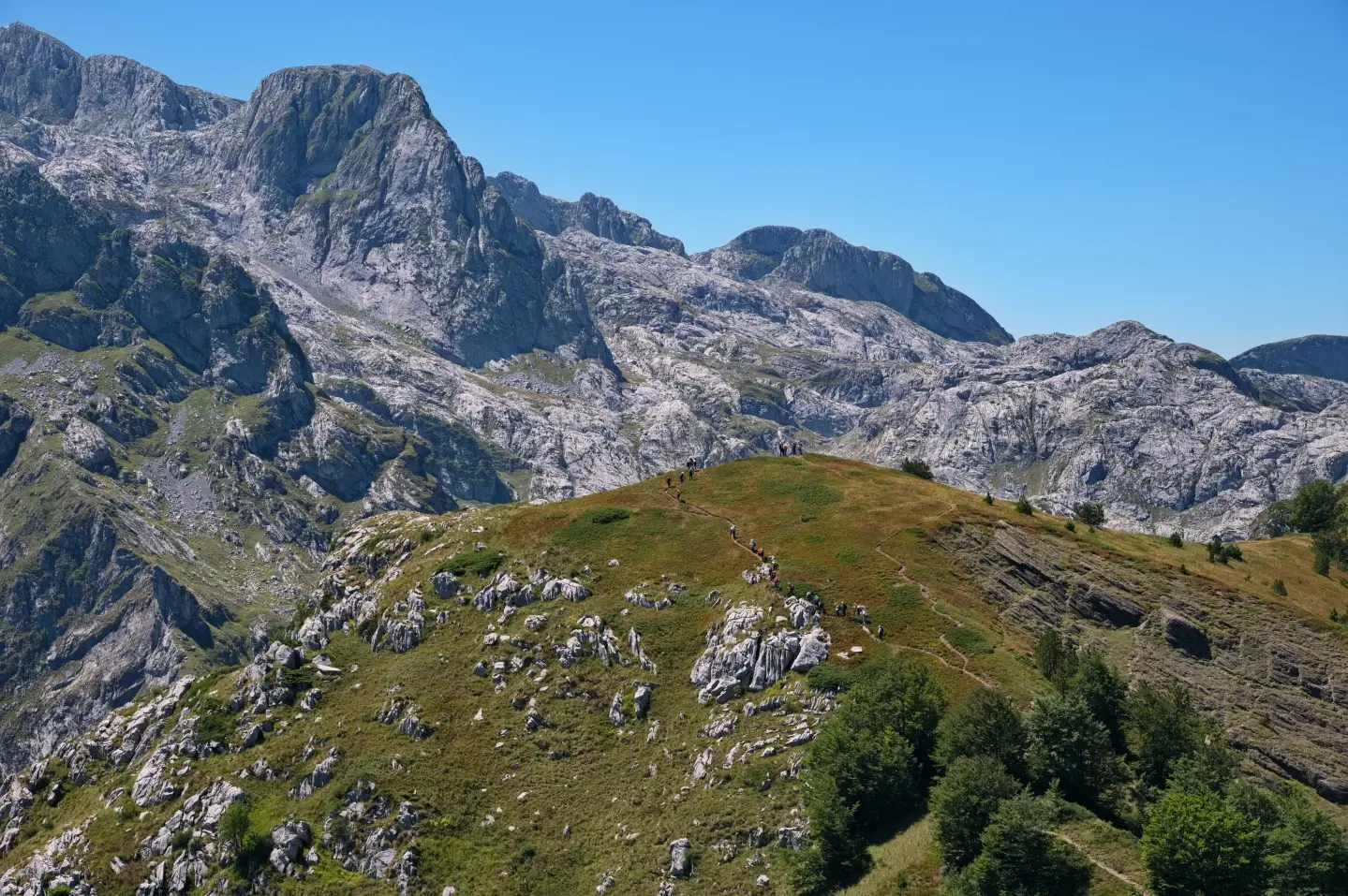
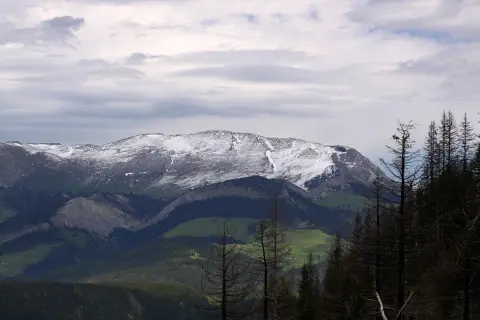
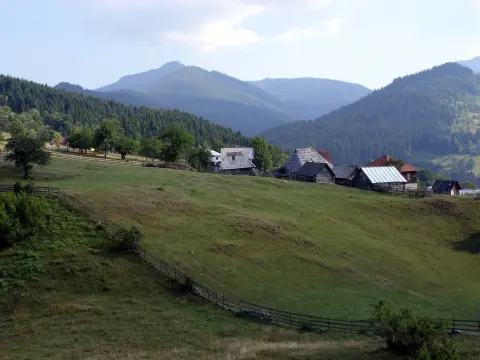
Hajla is located in the far east of Montenegro and stretches along the border with Kosovo, between the Rugova Gorge and the source of the river Ibar. It forms the southern boundary of the Rožaje basin and is one of the most impressive natural landscapes in the region. The mountain has been described as a true botanical garden — medicinal herbs, blueberries, rosehips, juniper, and wild strawberries grow along its trails. A visit in late summer offers the opportunity to pick wild forest fruits while enjoying panoramic views of the surrounding mountain massifs.
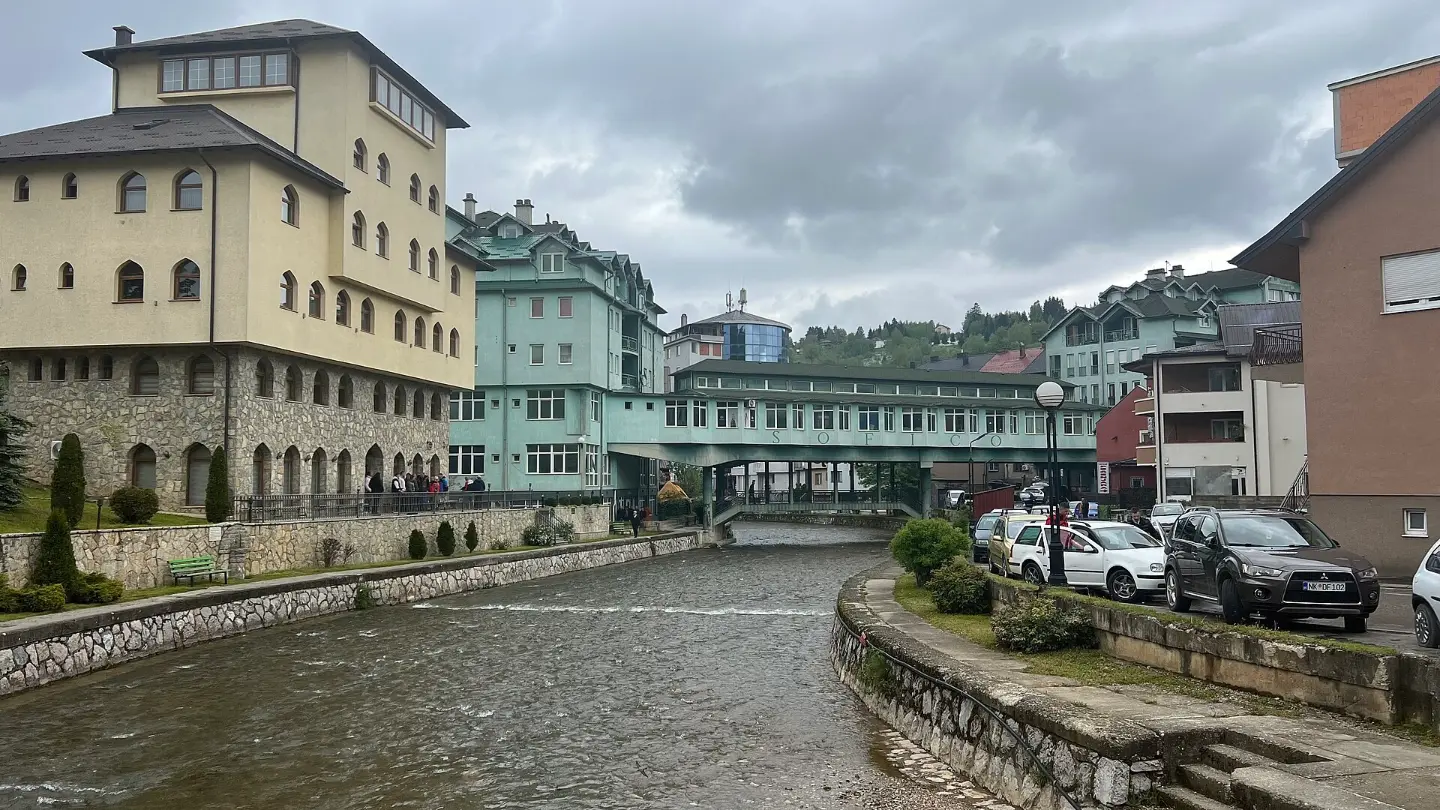
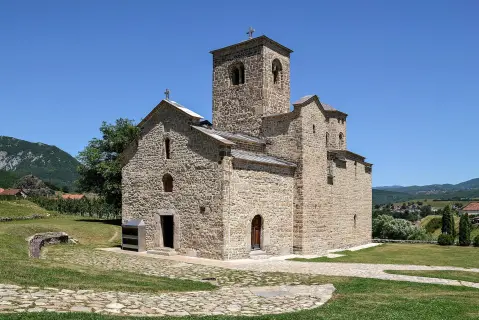
Rožaje became a significant centre during Ottoman rule, which lasted for several centuries, and it was during this period that many of the sacred and historical structures still visible today were formed. The development of the čaršija, crafts, and trade routes contributed to the town's economic growth and shaped the urban structure that forms the basis of today's town centre. The Ottoman legacy has left its mark on the architecture, traditions, and customs of the local population. A walk through the town centre reveals layers of history that bear witness to Rožaje's role as an important caravan and administrative hub in the Balkans.
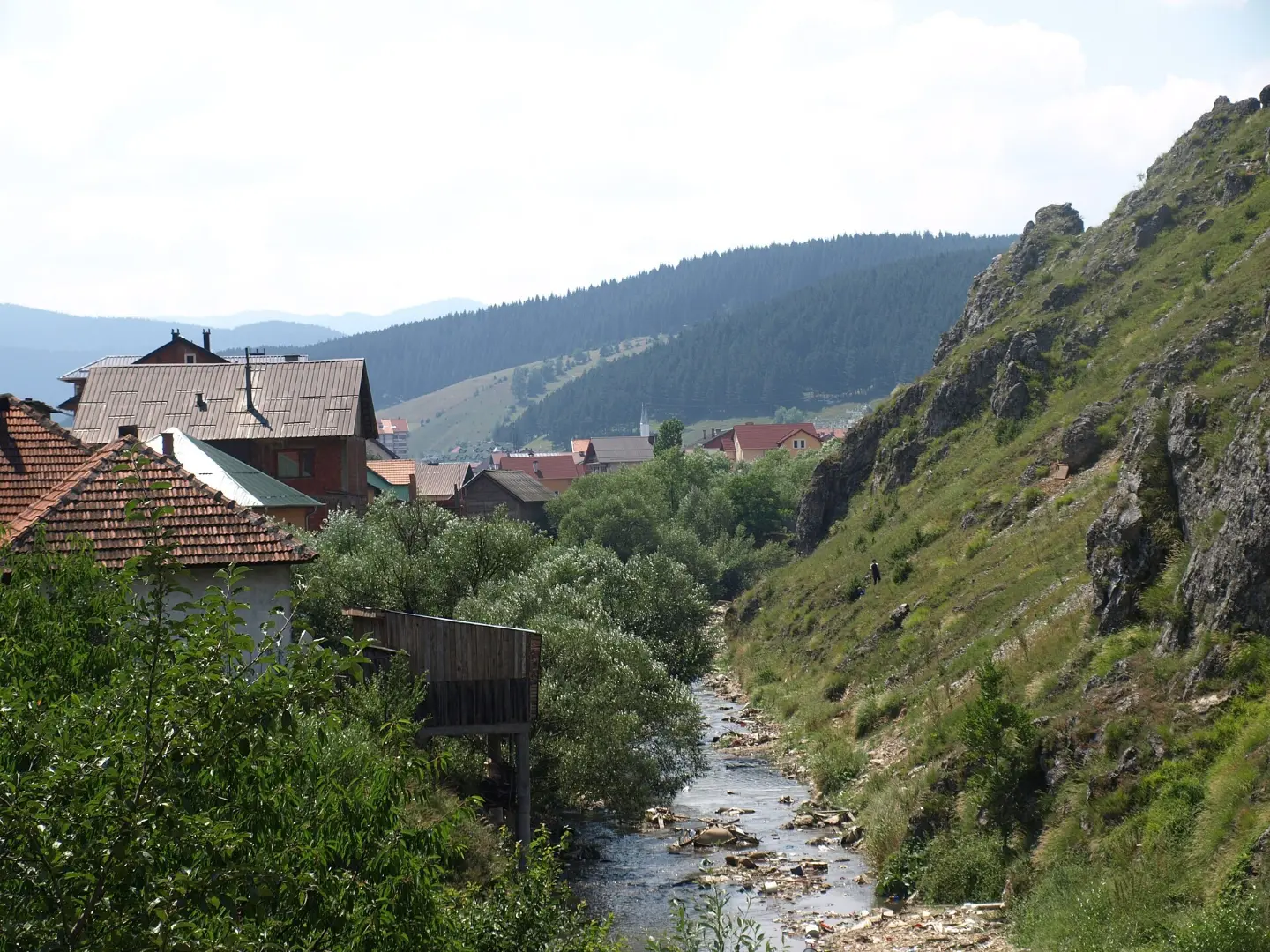
Rožaje is situated in the valley of the river Ibar, one of the key rivers of the Balkans, whose source lies in the vicinity of this very town. The Ibar flows through the town and provides a natural setting for walks and time spent in nature. Thanks to this position, Rožaje has always held a strategic role as a natural link between Montenegro, Serbia, and Kosovo. The surrounding forested areas and mountain pastures along the river are well suited for hiking and outdoor activities throughout the year.
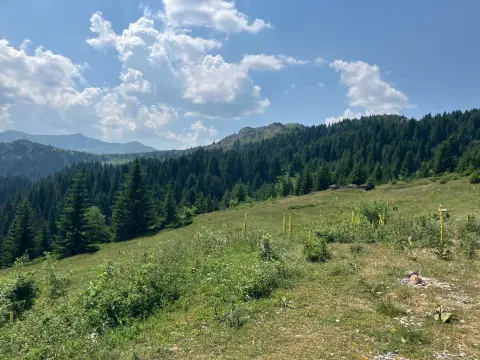
Mokra Gora is one of the mountain massifs surrounding Rožaje and forms part of the impressive mountain frame of the Rožaje basin. Together with Hajla and Štedim, Mokra Gora creates a natural barrier that gives Rožaje its mountain climate, with cool summers and cold winters. The massif offers hiking and mountain biking trails of varying difficulty, from gentle forest routes to more demanding sections. Rich forested areas and mountain pastures make this space ideal for exploration in all seasons.
What to do
Explore trails on Mount Hajla and Mokra Gora with panoramic views.
Ride through forest clearings, valleys, and mountain peaks on well-marked trails.
Tackle the steep trails and rock faces of the high massifs of Hajla and Mokra Gora.
Enjoy winter sports on groomed mountain slopes in the Rožaje area.
Gather blueberries, rosehips, juniper, and medicinal herbs on Mount Hajla.
What's on
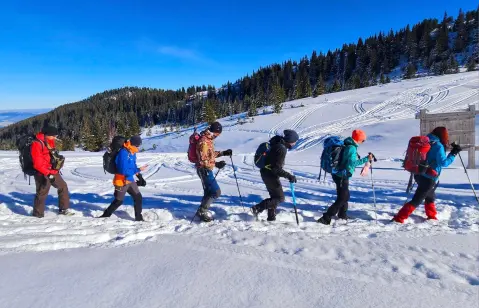
The region's most massive winter mountaineering ascent — Hajla, 2,403 m, each February from Rožaje.
Details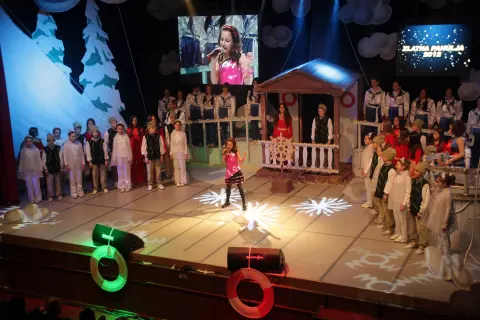
An international children's song festival lighting up Rožaje each winter.
DetailsHiking, walking and cycling routes that start here or pass nearby, with maps and GPX downloads.
52.1 km↑ 3,118 m3–4 days
27.2 km↑ 1,216 m8–11½ h
93.5 km↑ 3,250 m4–5 days
111 km↑ 2,882 m2–3 days
24.9 km↑ 1,752 m2–3 days
37.4 km↑ 1,341 m4½–6 h
15.8 km↑ 1,182 m6–8½ h
262 km↑ 6,918 m4–5 days
Gallery
Did You Know?
Mount Hajla, which forms the southern boundary of the Rožaje basin, is often described as a botanical garden — medicinal herbs, blueberries, rosehips, and juniper grow along almost every trail. botanical garden
Plan Your Visit
Admission
Entry to the town is free.
Parking
Parking is available in the town centre.
Phone
+382 51 271 107The town is accessible all year round. The Rožaje Tourist Organisation is open on weekdays.
The city center is mostly accessible, while mountainous terrains require good physical fitness.
FAQ
Around here

Ask about Montenegro
Ask me about destinations, restaurants or activities.