Administrative and cultural centre of northern Montenegro on the Lim River
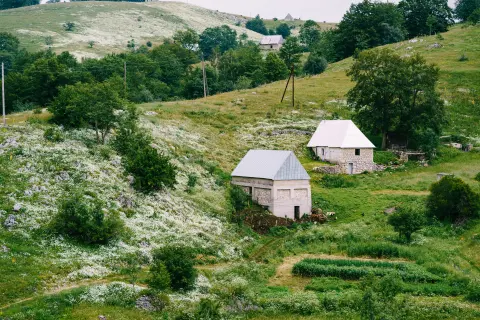
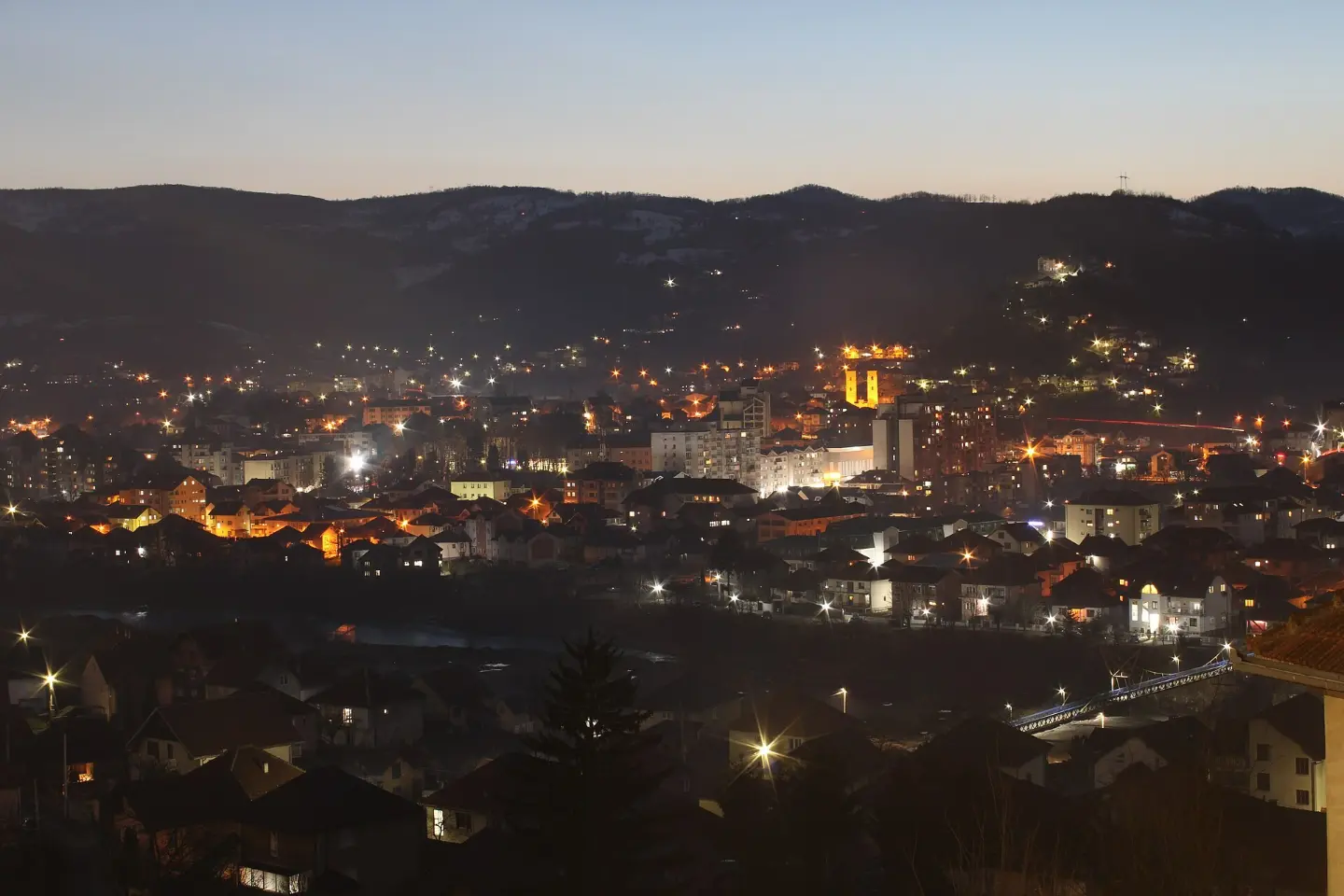
Bijelo Polje lies in the valley of the Lim River, surrounded by the mountains of Bjelasica and Lisa, at an altitude of around 575 metres. The town is the administrative, economic and cultural centre of northern Montenegro, with a rich history stretching from the Neolithic period, through the Illyrians and Romans, to the Ottoman Empire. It is known for the Church of the Holy Apostles Peter and Paul from the 12th century, where the Miroslav Gospel was created — the oldest illustrated Cyrillic manuscript, inscribed in UNESCO's Memory of the World Register. The surrounding area features Dalovića Cave, one of the largest in Europe, as well as numerous rural homesteads and mountain terrain suitable for active holidays.
Location
North-eastern Montenegro
Town Population
12,900
Altitude
575 m
Municipality Area
924 km²
History
Since the Neolithic
Distance from Podgorica
130 km
Highlights
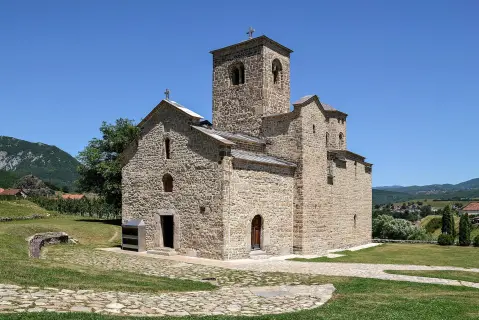
Built in 1190 as the endowment of the Hum prince Miroslav, brother of the Serbian ruler Stefan Nemanja, this church is one of the oldest sacred buildings in Montenegro. It was here that the Miroslav Gospel was created — the oldest illustrated Cyrillic manuscript in the world, today inscribed in UNESCO's Memory of the World Register. The church features Romanesque architecture and frescoes from the 13th century. The original gospel is kept in the National Museum in Belgrade, but the church remains an unmissable historical destination.
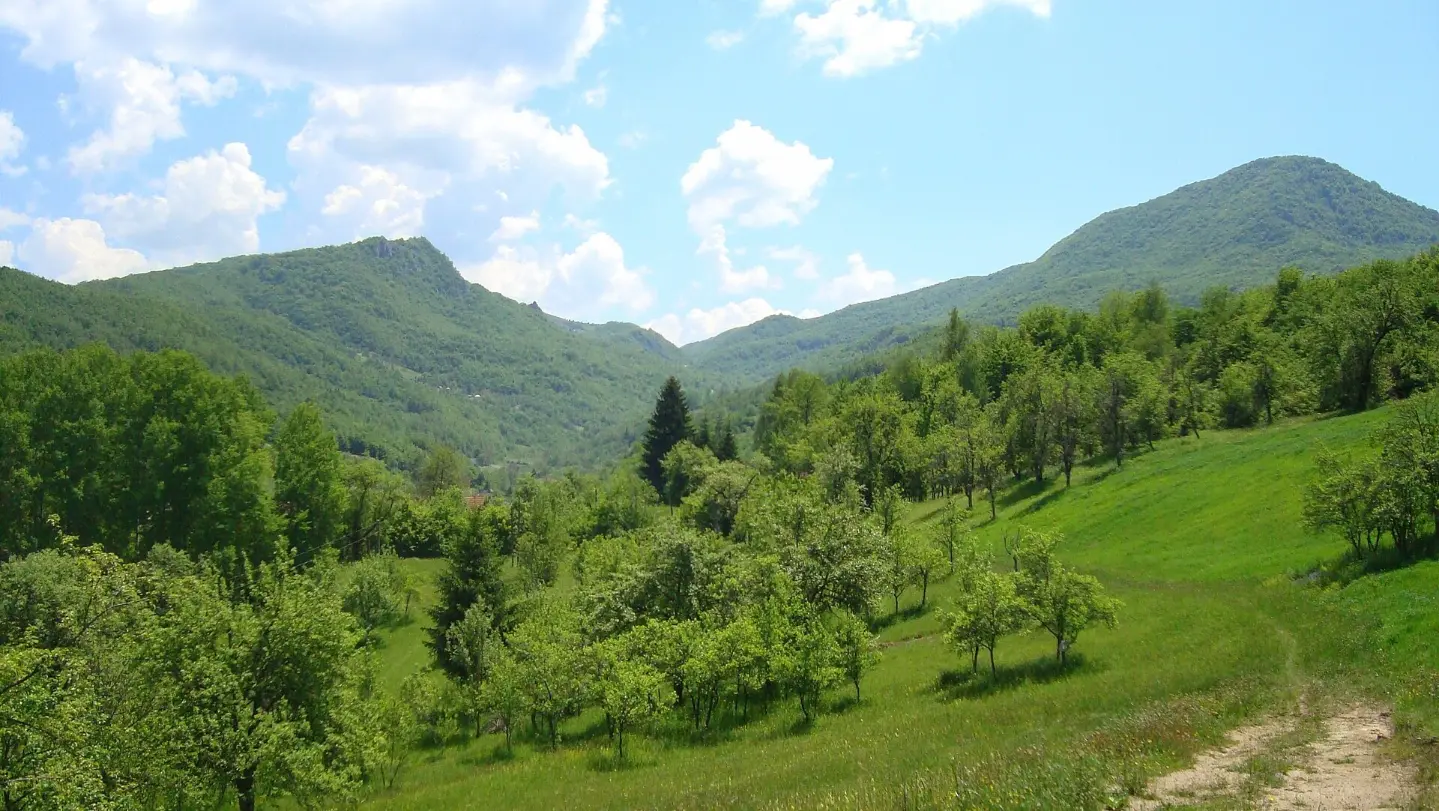
Dalovića Cave is located in the surroundings of Bijelo Polje and is considered one of the largest caves in the Balkans. Since 1987, researchers have mapped more than 16 km of passages, and the total length of the cave system remains unknown. The cave entrance is locally known as Vražji firovi (Devil's Vents) due to the underground waters that surge noisily at the base of the rocks. The cave is of particular interest to speleologists, and plans for tourist development include the construction of a 1.7 km cable car that would connect it to Manastir Podvrh.
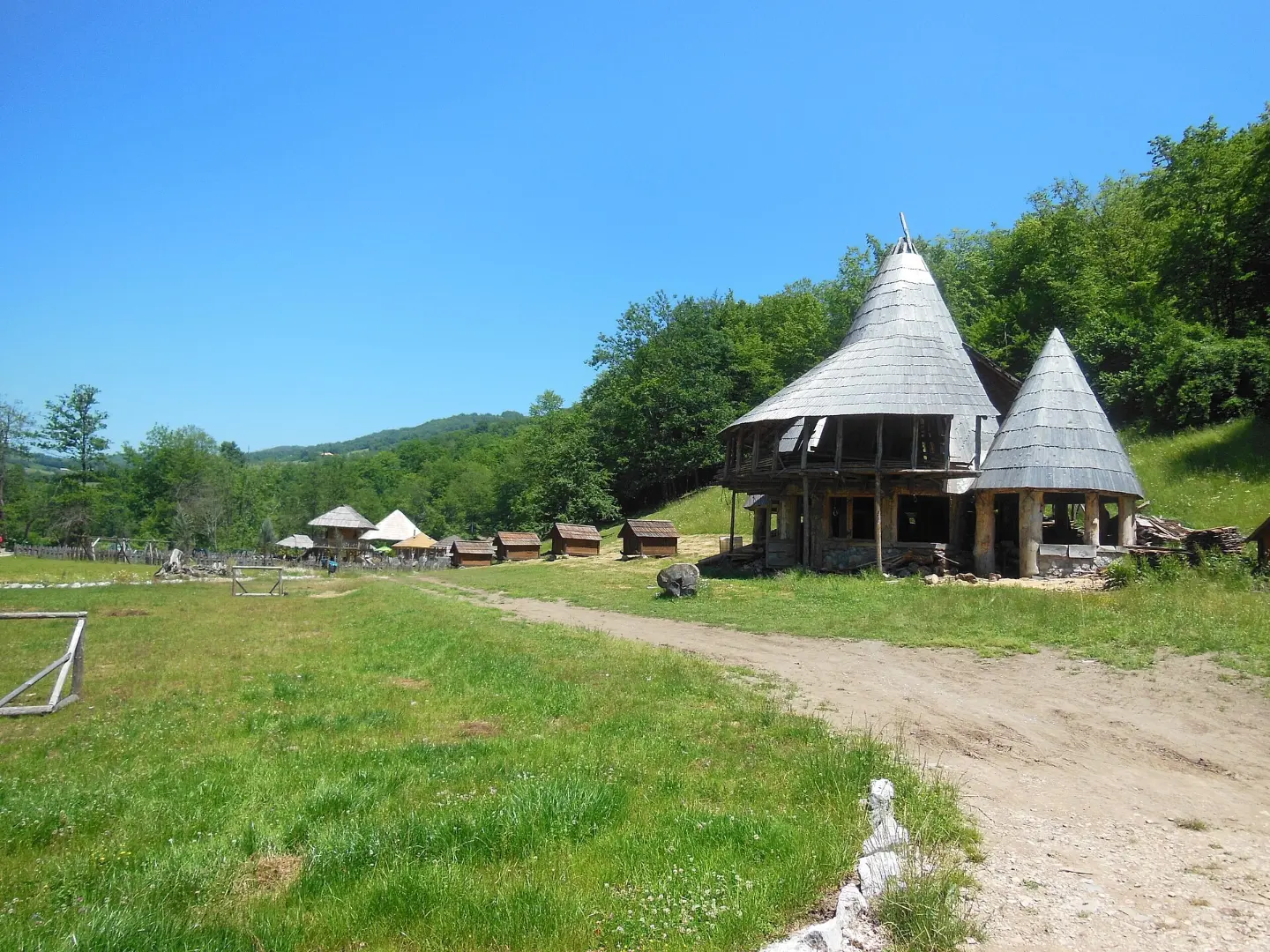
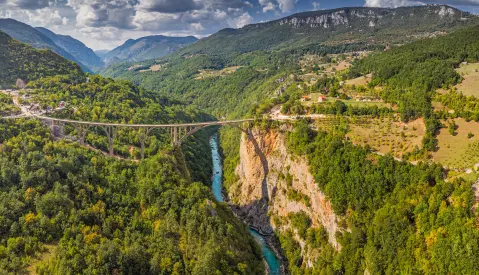
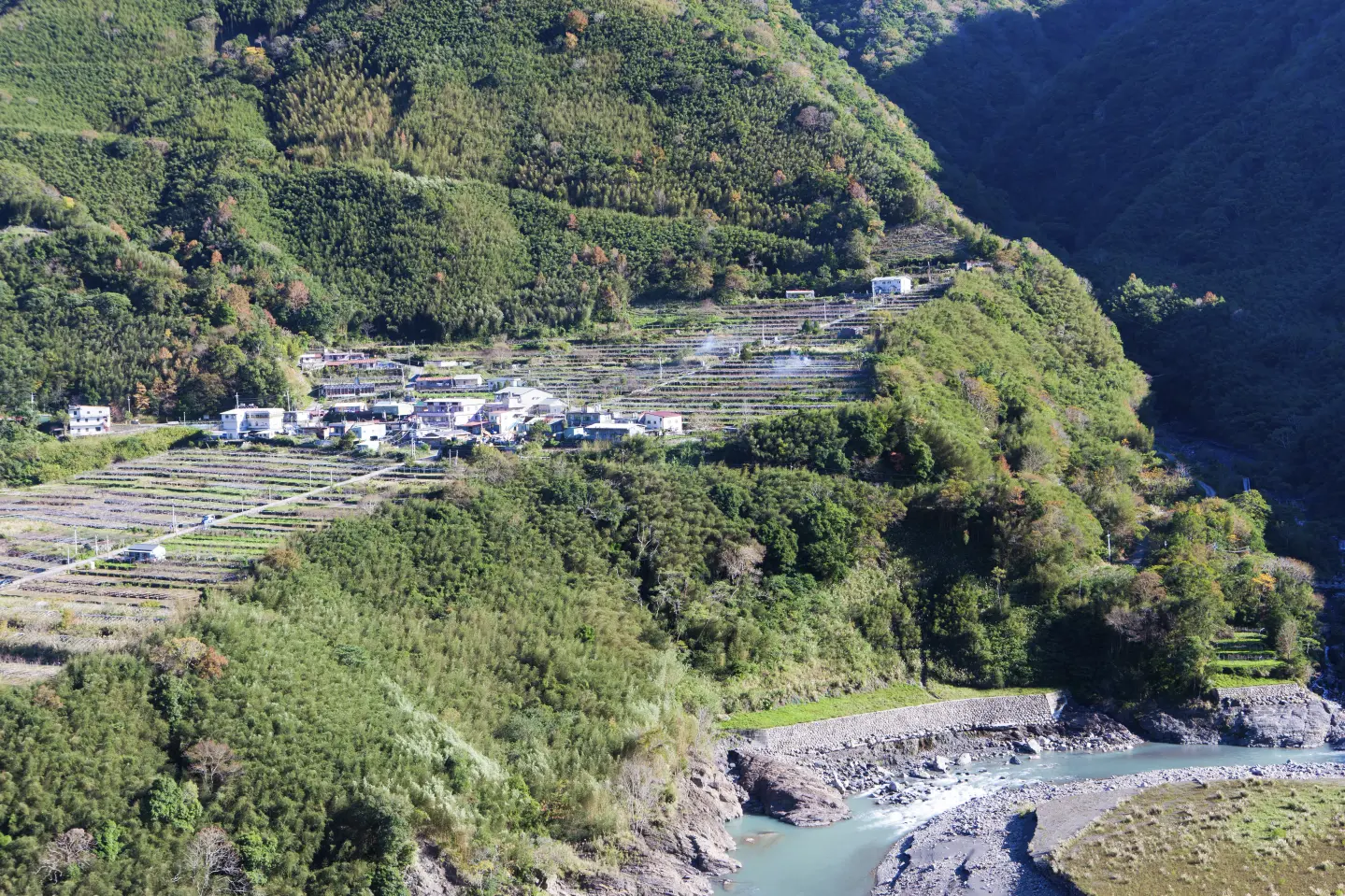
The Lim River is the main hydrological axis of Bijelo Polje and the entire municipality, flowing through a picturesque valley surrounded by the mountains of Bjelasica and Lisa. Walking and cycling paths run along the Lim, and the river is rich in trout and suitable for fishing and recreational kayaking. The Lim valley provides a visually attractive setting for the town and surrounding villages, with panoramic views of the river accessible from several points in and around the town.
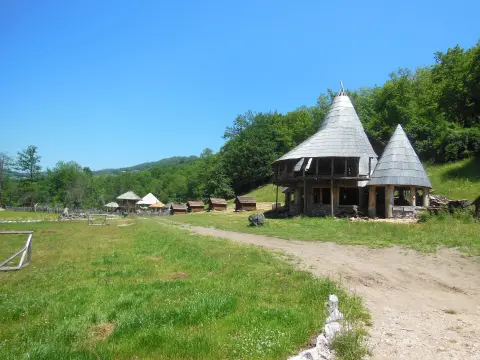
In the surroundings of Bijelo Polje there are two historic monasteries worth visiting. Manastir Nikoljac is a significant Orthodox monastery with a rich library and frescoes. Manastir Podvrh, dedicated to Saint Nicholas and built in 1606, is situated at an altitude of 770 metres and in its form resembles a shepherd's hut — far from any village, in an isolated mountain setting. Manastir Podvrh lies along the planned cable car route to Dalovića Cave, which will make it more accessible to visitors.
Trg Slobode (Freedom Square) is the central public space of Bijelo Polje, home to the Town Souvenir Shop and the venue for various town events. Nearby stands Gušmirova Mosque, built during the Ottoman period and located in the very centre of town next to the Risto Ratković park. The mosque has undergone several restorations and bears witness to centuries of Ottoman presence in this part of Montenegro. The coexistence of Orthodox churches and mosques in the town centre reflects the religious and cultural diversity of Bijelo Polje.
What to do
Trails on Bjelasica and Lisa are accessible from Bijelo Polje for all levels of hikers.
The terrain around Bijelo Polje offers mountain bike routes through forests and the valleys of the Lim River.
Horse riding is organised in the surroundings of the town, through rural areas and mountain terrain.
The Lim River and its tributaries are well-known fishing spots rich in trout and other species.
The Lim River offers opportunities for rafting and kayaking, especially in spring when water levels are high.
Plan your stay
Live offers from local hosts on our booking platform. Nothing is charged online — you pay the host on site.
Booking requests are confirmed by the host; payment on site. Offers come from the Travel to Montenegro booking platform.
Hiking, walking and cycling routes that start here or pass nearby, with maps and GPX downloads.
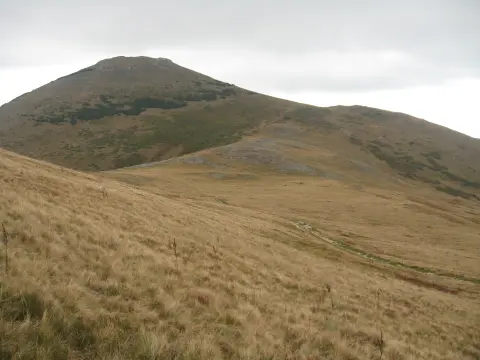
17.3 km↑ 1,380 m6–9 h
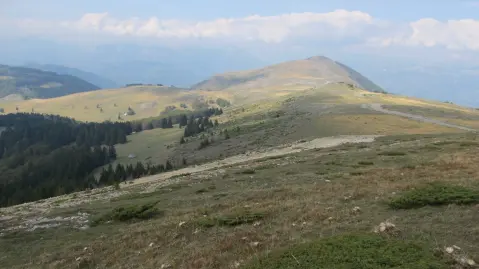
22.8 km↑ 1,540 m7½–10½ h
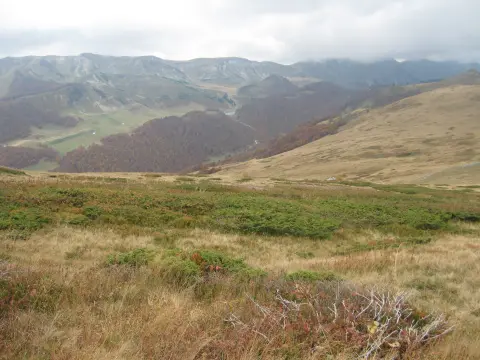
26.3 km↑ 1,589 m8½–11½ h
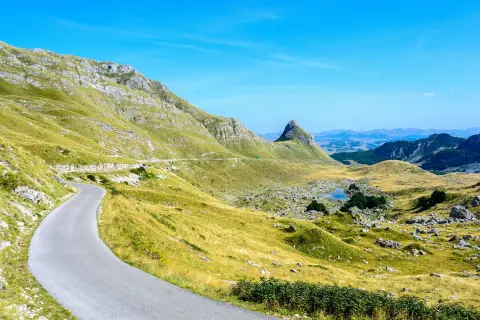
399 km↑ 9,352 m5–8 days
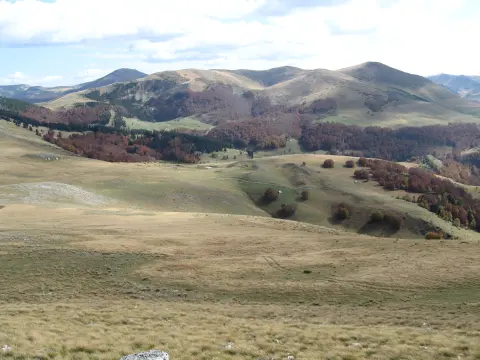
18.7 km↑ 149 m5–7½ h
111 km↑ 2,882 m2–3 days
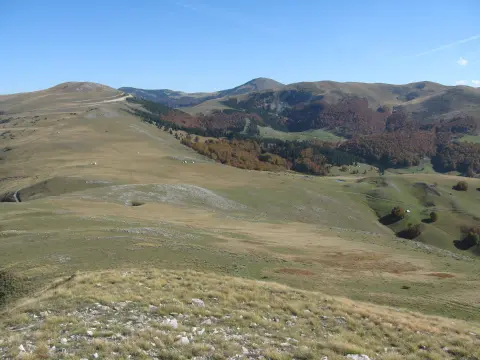
39.0 km↑ 1,580 m5–7 h
84.6 km↑ 1,878 m8–11½ h
Gallery
Did You Know?
The Miroslav Gospel, the oldest illustrated Cyrillic manuscript in the world, was created in Bijelo Polje in the 12th century and is today inscribed in UNESCO's Memory of the World Register. oldest illustrated Cyrillic manuscript in the world
Plan Your Visit
Phone
+382 50 432 862Website
www.tobp.meThe town is accessible all year round. Tourist Organisation (TOBP): weekdays 08:00–16:00.
Free entry to the town. Cave visits and organised tours — contact TOBP or local travel agencies for current prices.
Parking in the town centre is available by the Town Square and surrounding streets. Mostly free parking on the edge of the centre.
The town centre and Town Square are mostly accessible for people with reduced mobility. Hiking terrain and caves are not suitable for wheelchairs.
FAQ
Around here

Ask about Montenegro
Ask me about destinations, restaurants or activities.