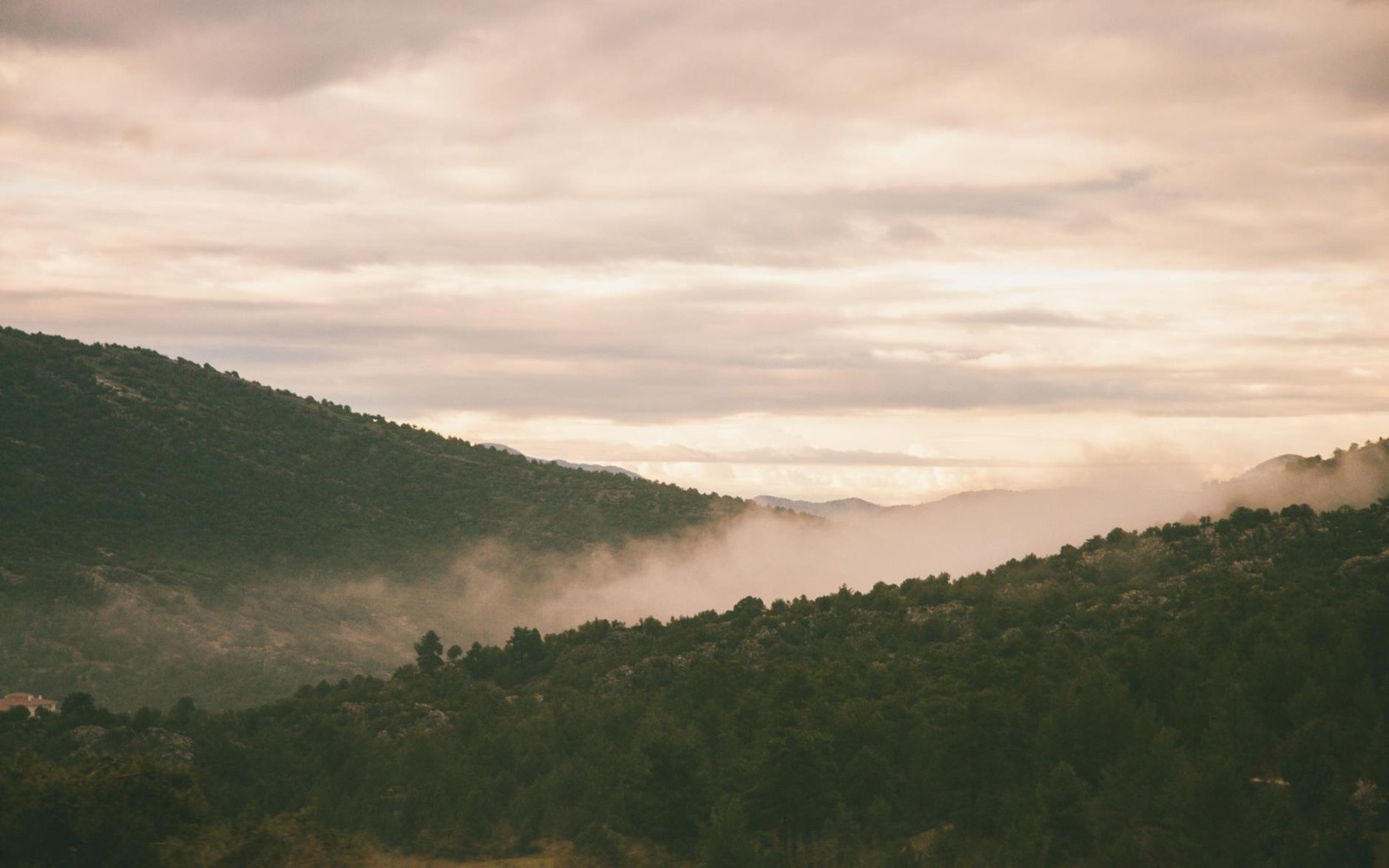
From Mediterranean warmth to alpine snow - master Montenegro's diverse climate zones for the perfect journey
Montenegro Weather Guide: Navigating Four Seasons Across Coast and Mountains
35°C (95°F)
Summer Coast
Below 0°C
Winter Mountains
Winter
Wettest Season
Summer
Driest Season
Dec-Mar
Ski Season
Jun-Sep
Swimming Season
weatherclimateseasonalpackingplanningtemperature
Plan Your Trip
Montenegro's compact geography packs extraordinary climate diversity into a small space. Understanding these weather patterns is crucial for any traveler seeking to maximize their experience across this Balkan gem's contrasting landscapes.
Seasonal Planning Strategy
Summer brings scorching 35°C heat to coastal areas like Budva and Kotor, while mountain regions like Kolašin offer cooler refuge. Spring and autumn provide ideal conditions for exploring both zones, with temperatures ranging 10-20°C and minimal crowds.
Regional Climate Zones
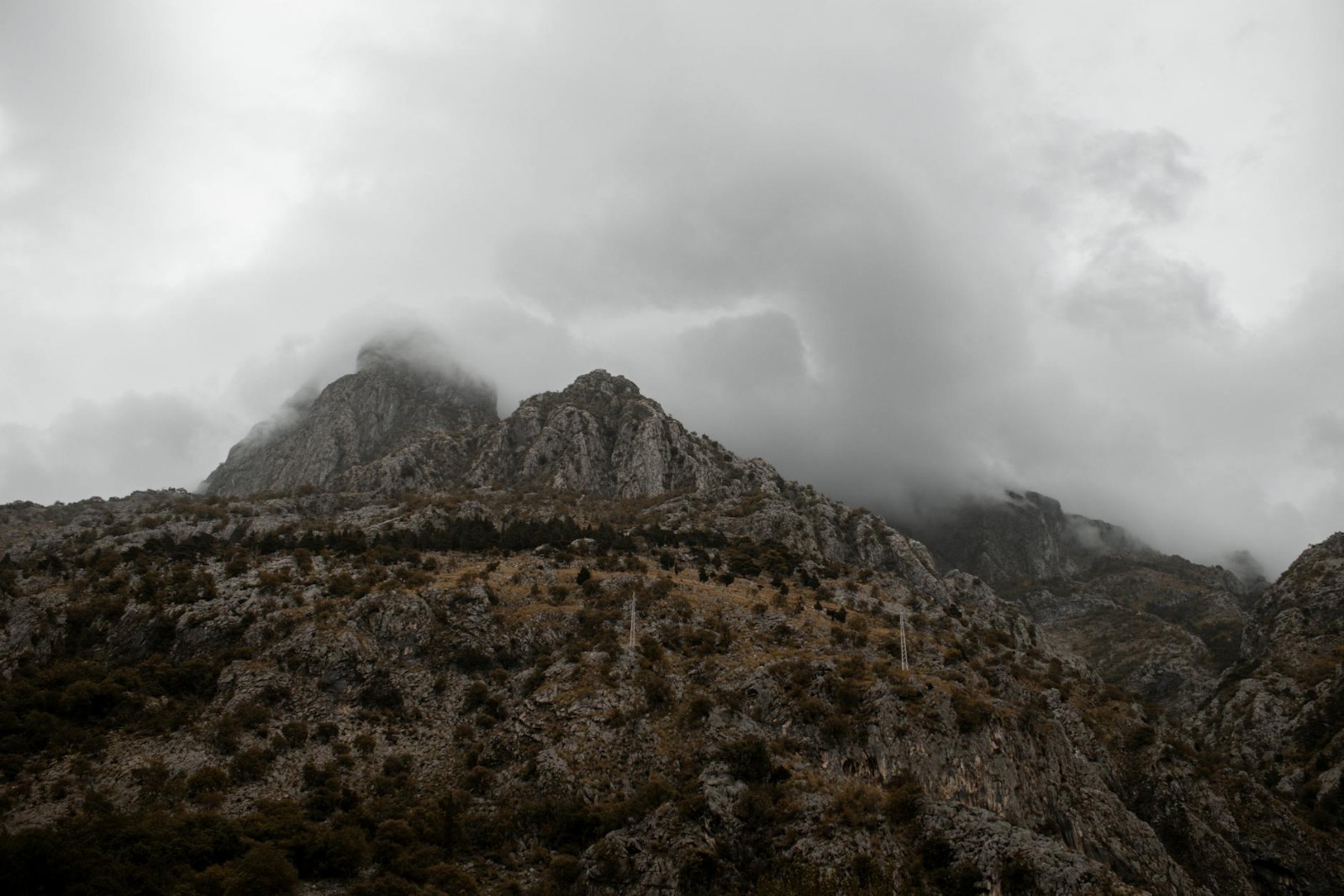
The Adriatic coast enjoys Mediterranean climate with mild, wet winters rarely below 5°C. Interior highlands experience alpine conditions with heavy snowfall, transforming places like Žabljak into winter sports destinations with temperatures well below freezing.
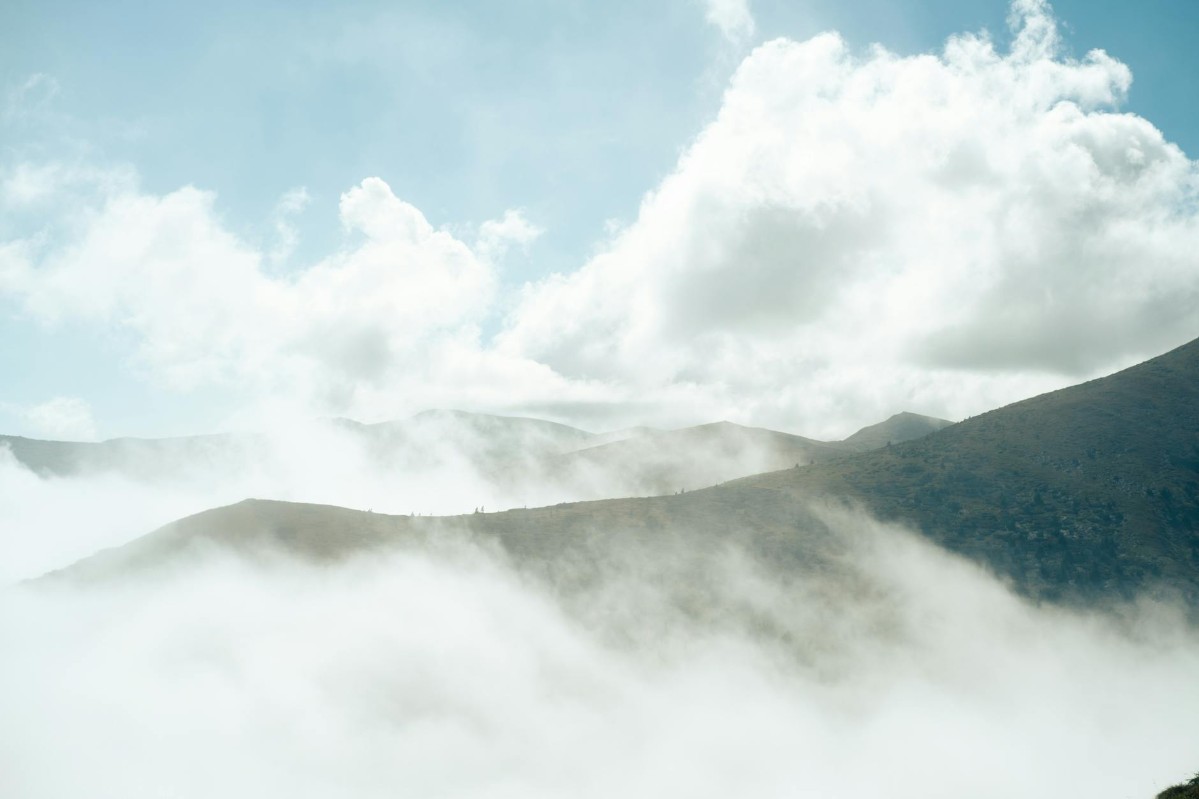
Spring and autumn provide ideal conditions for exploring both zones, with temperatures ranging 10-20°C and minimal crowds.
Activity-Based Weather Planning
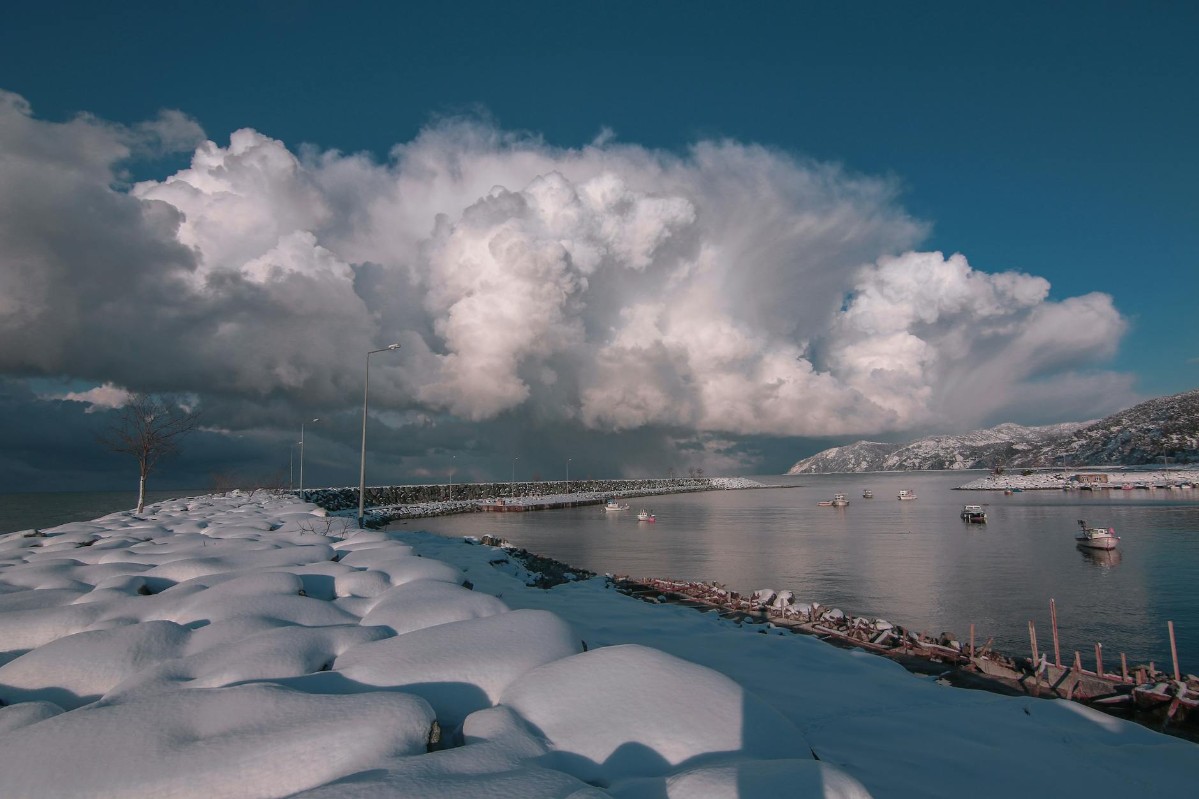
Beach activities peak June-August with perfect swimming conditions. Mountain hiking thrives in spring and autumn when trails are accessible and temperatures comfortable. Winter transforms northern regions into ski destinations at resorts like Kolašin and Savin Kuk.
Packing Essentials
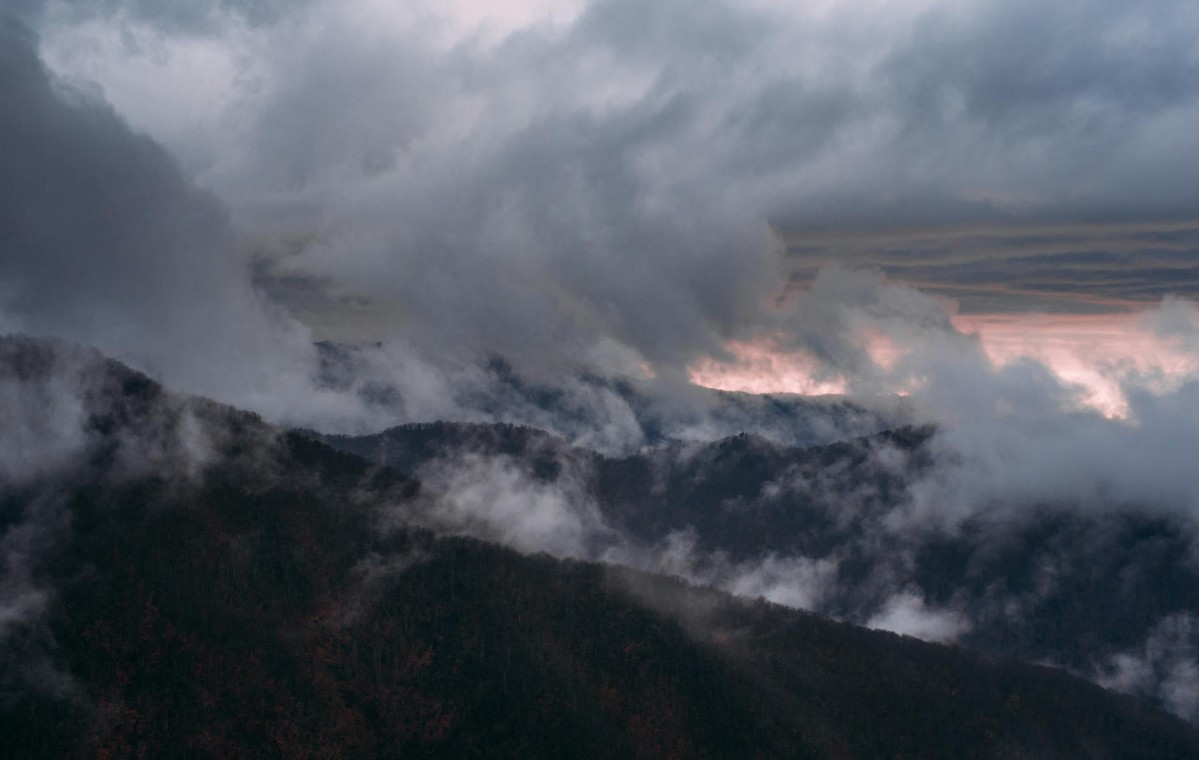
Layer strategically: pack light summer clothes for coast, thermal layers for mountains. Spring requires waterproof gear for sudden showers, while winter demands heavy coats and waterproof boots for snowy conditions.
Montenegro's weather diversity means any season offers unique experiences - from summer beach bliss to winter mountain adventures, making it truly a year-round destination.
Plan Your Trip
Featured
01
Mediterranean Coast Climate
Adriatic coastal regions enjoy hot, dry summers with temperatures reaching 35°C and mild, wet winters rarely dropping below 5°C. Perfect for beach activities June through August.
02
Alpine Mountain Weather
Northern highlands experience true alpine climate with heavy snowfall, freezing temperatures, and excellent skiing conditions at resorts like Kolašin and Savin Kuk.
03
Transitional Zone Conditions
Areas like Podgorica blend coastal and mountain influences, offering hot summers with more rainfall than the coast and cooler, wetter winters than Mediterranean regions.
04
Seasonal Activity Windows
Each season opens unique opportunities - summer for beaches, spring/autumn for hiking, winter for skiing, with comfortable temperatures year-round for cultural exploration.
Practical Info
Tips & Tricks
Pack layers for climate transitions - you can experience beach weather and snow conditions in the same day when traveling from coast to mountains.
Where Mediterranean warmth meets alpine wonder
Four Seasons, Endless Possibilities
Experience Montenegro's dramatic climate diversity - from sun-soaked Adriatic shores to snow-capped mountain peaks.
Where Mediterranean warmth meets alpine wonder
Gallery
Photo Gallery
Did You Know?
Did You Know?
Montenegro experiences temperature differences of up to 30°C between its coast and mountains on the same day. While beachgoers enjoy 35°C heat in Budva, skiers at Durmitor might face 5°C conditions just hours away by car.
FAQ
Quick Facts
It depends on your activities. Summer (June-August) is perfect for beaches with 35°C temperatures. Spring and autumn offer ideal 10-20°C weather for hiking and sightseeing with fewer crowds. Winter is excellent for skiing in mountain regions.
Dramatically different. Coastal areas can be 30°C warmer than mountain regions on the same day. While Budva enjoys Mediterranean warmth, Durmitor might have snow, even in late spring or early autumn.
Pack in layers. Include summer clothes for the coast, warm layers for mountains, waterproof gear for spring showers, and heavy winter clothing if visiting northern regions in cold months. Comfortable walking shoes are essential year-round.
Swimming season typically runs June through September when coastal waters are warmest. July and August offer the best conditions with air temperatures around 35°C and comfortable water temperatures.
Absolutely, especially for winter sports enthusiasts. Northern regions like Kolašin and Žabljak offer excellent skiing, while coastal towns provide peaceful winter walks with mild temperatures and fewer tourists.
Generally reliable for major cities and coastal areas. Mountain weather can change quickly, so check local forecasts and be prepared for sudden changes, especially when hiking in highland regions.
Travel Assistant
Ask about Montenegro
Welcome!
Ask me about destinations, restaurants or activities.