
Orthodox Christmas
Oak-branch fires by the churches, liturgies and family gatherings – Montenegro's Orthodox Christmas, 6–7 January.
This event has ended
It returns every year – dates for the next edition haven't been announced yet.
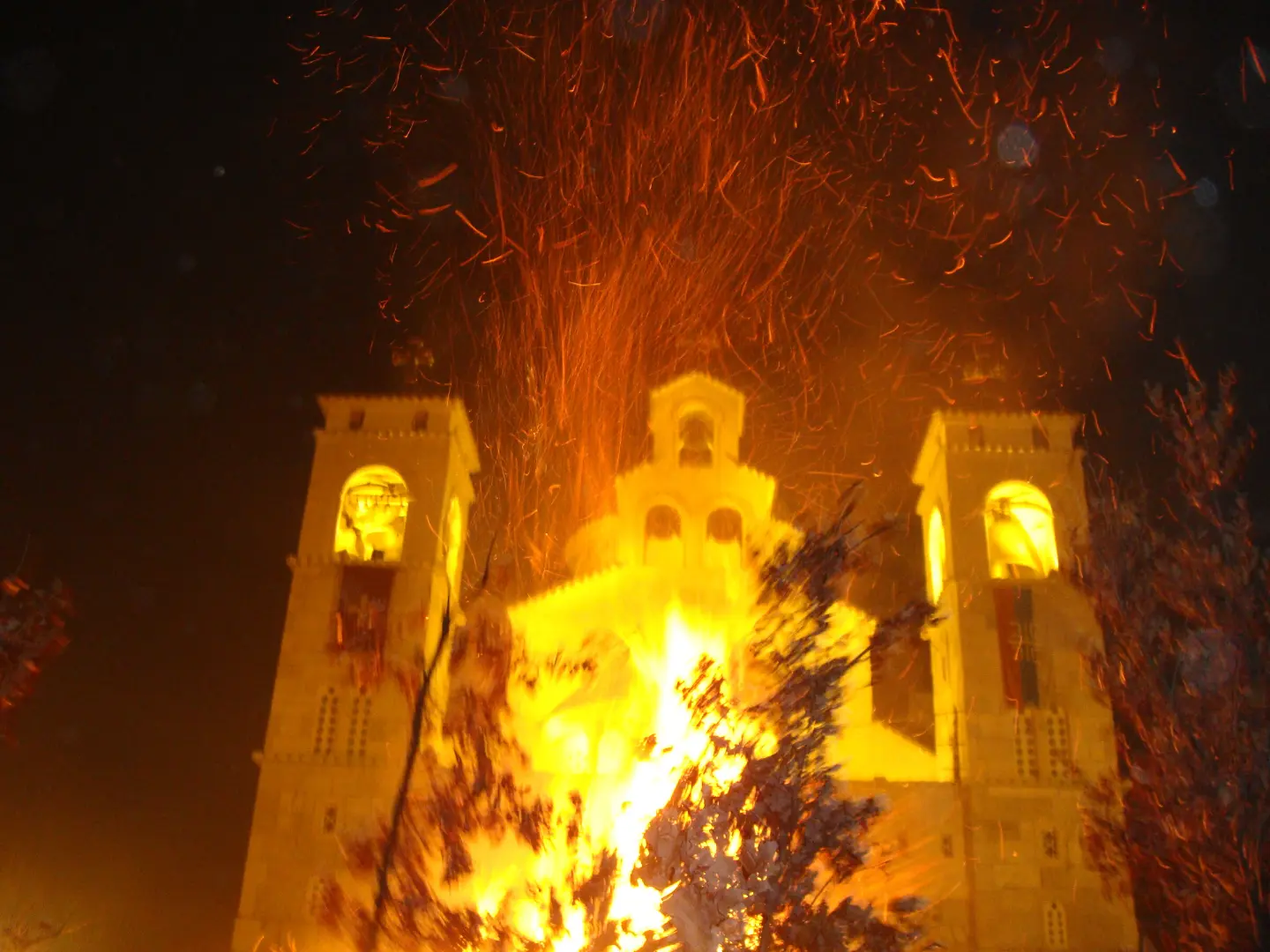
The central tradition is the burning of the badnjak – an oak branch – in front of churches on the evening of 6 January. Families bring their branches to the church fires, and the gatherings around the flames are as social as they are ceremonial: neighbours meet, greetings are exchanged, and the crowd lingers long after the branches have gone into the fire.
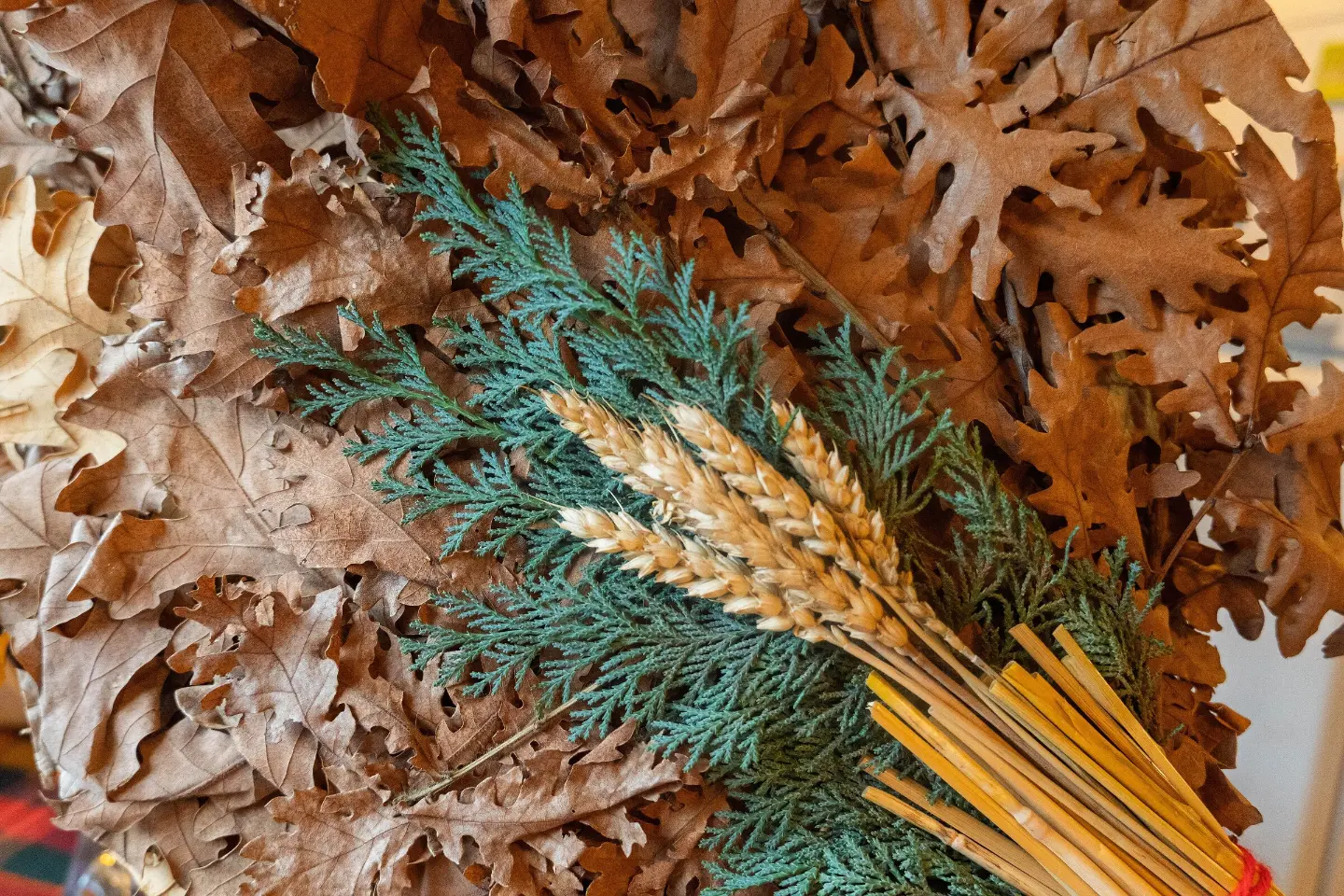
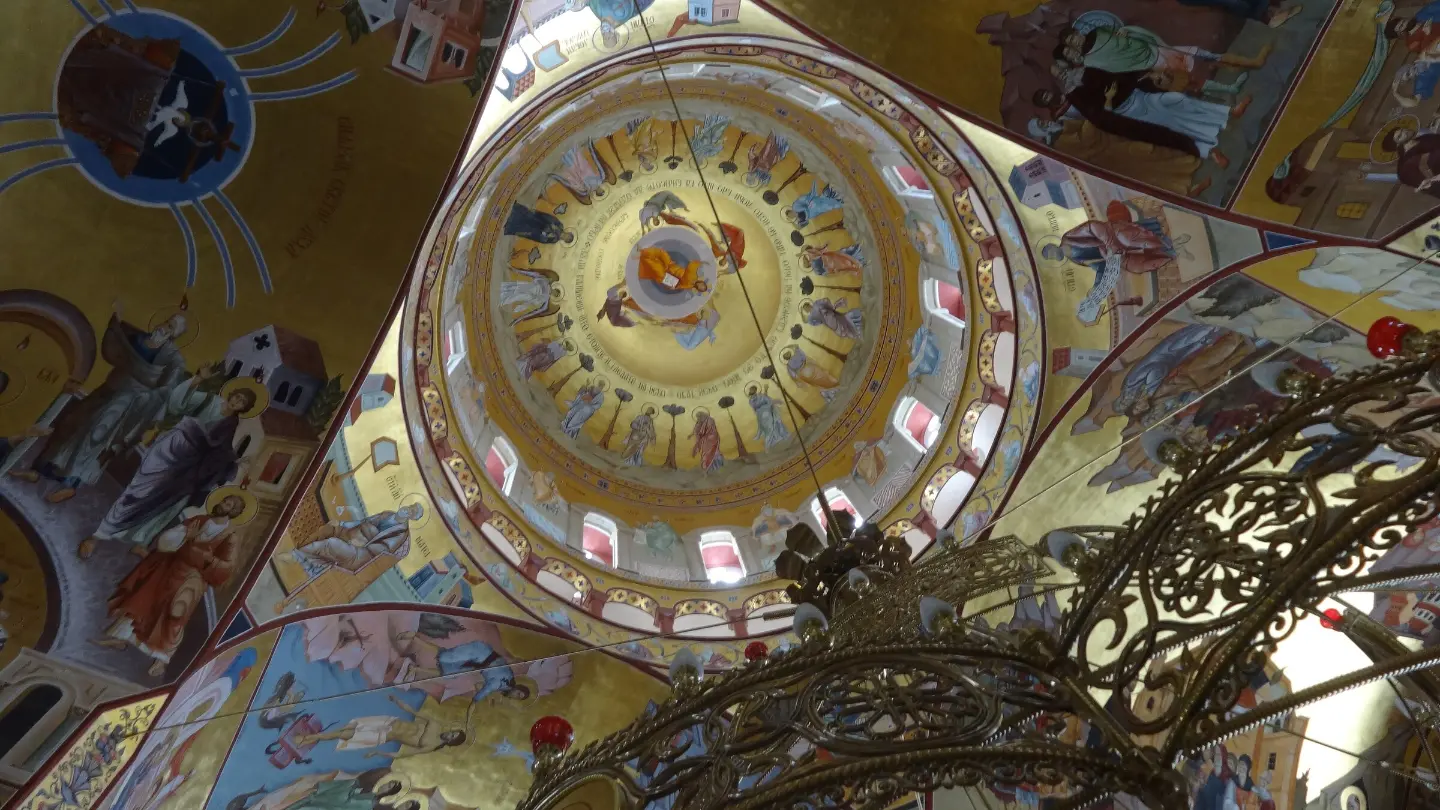
The evening continues with family gatherings at home, and on the morning of 7 January the churches hold their Christmas liturgies. For a visitor, the rhythm of the two days is easy to follow – the fires and the crowds on the evening of the 6th, the services and the quiet family day on the 7th.
While the customs are kept in every town and village, the scenes are most striking in front of the major temples, where the badnjak fires and the crowds are largest. Wherever you are staying in Montenegro in early January, the nearest large church will have its own fire – and its own gathering around it.
What makes the observance memorable is that none of it is staged. This is a living tradition rather than an event produced for an audience: the fires are lit because they always have been, and visitors who come stand alongside families keeping a custom that structures the whole Montenegrin midwinter.
Badnji dan and Božić fall on 6 and 7 January every year, across Montenegro. Attending is free and open to everyone; the evening of 6 January in front of a major church is the moment to plan around.
What to expect
The badnjak fires
Oak branches are burned in front of churches on the evening of 6 January.
Fixed dates
Badnji dan and Božić fall on 6 and 7 January every year.
Grandest at the major temples
The observance is nationwide, but most atmospheric in front of the biggest churches.
Free and open
The church-front gatherings and liturgies are open to everyone.
Come on the evening of the 6th
The badnjak fires and the gatherings around them are the observance's most striking moment.
A living tradition
Nothing is staged for visitors – the customs are kept by families as they always have been.
What happens when
January 6 – 7, 2026
- Tue6JanTuesday, January 6Badnji dan – badnjak burningOak branches are brought to the church fires in the evening, followed by family gatherings.
- Wed7JanWednesday, January 7Božić – Christmas liturgiesMorning liturgies are held in churches across the country.
Where it takes place
Plan your stay
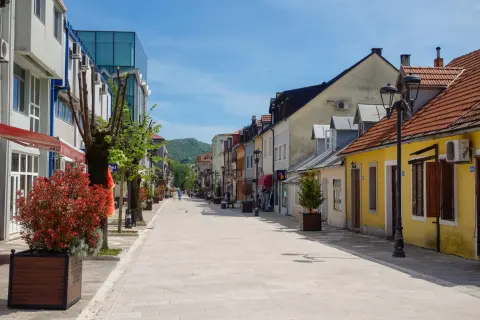
Cetinje – where to stay and how to get around
Live offers from local hosts on our booking platform. Nothing is charged online – you pay the host on site.
- 2Places to stayApartments, rooms and hotels from local hostsSee all – Cetinje
- 1TransfersPrivate transfers with a fixed price per vehicleSee all – Cetinje
A few offers
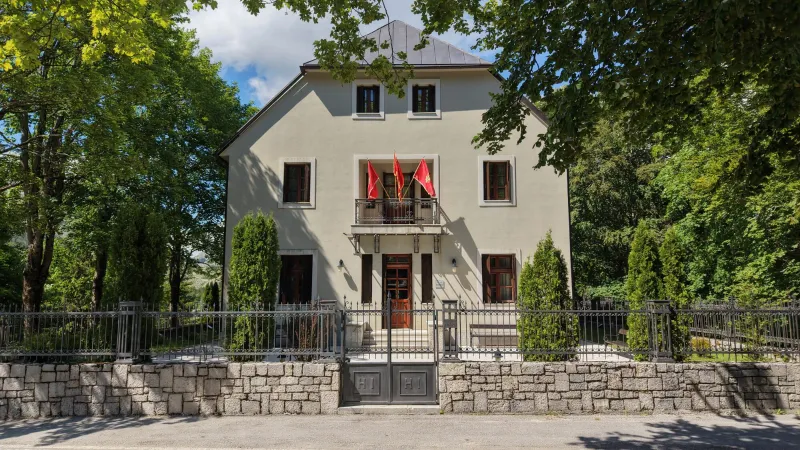

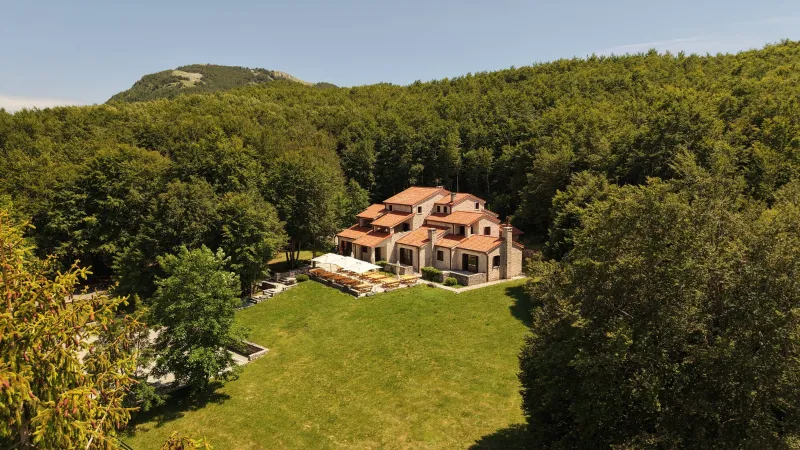
Booking requests are confirmed by the host; payment on site. Offers come from the Travel to Montenegro booking platform.
More events
What else is on in Montenegro around the same time.
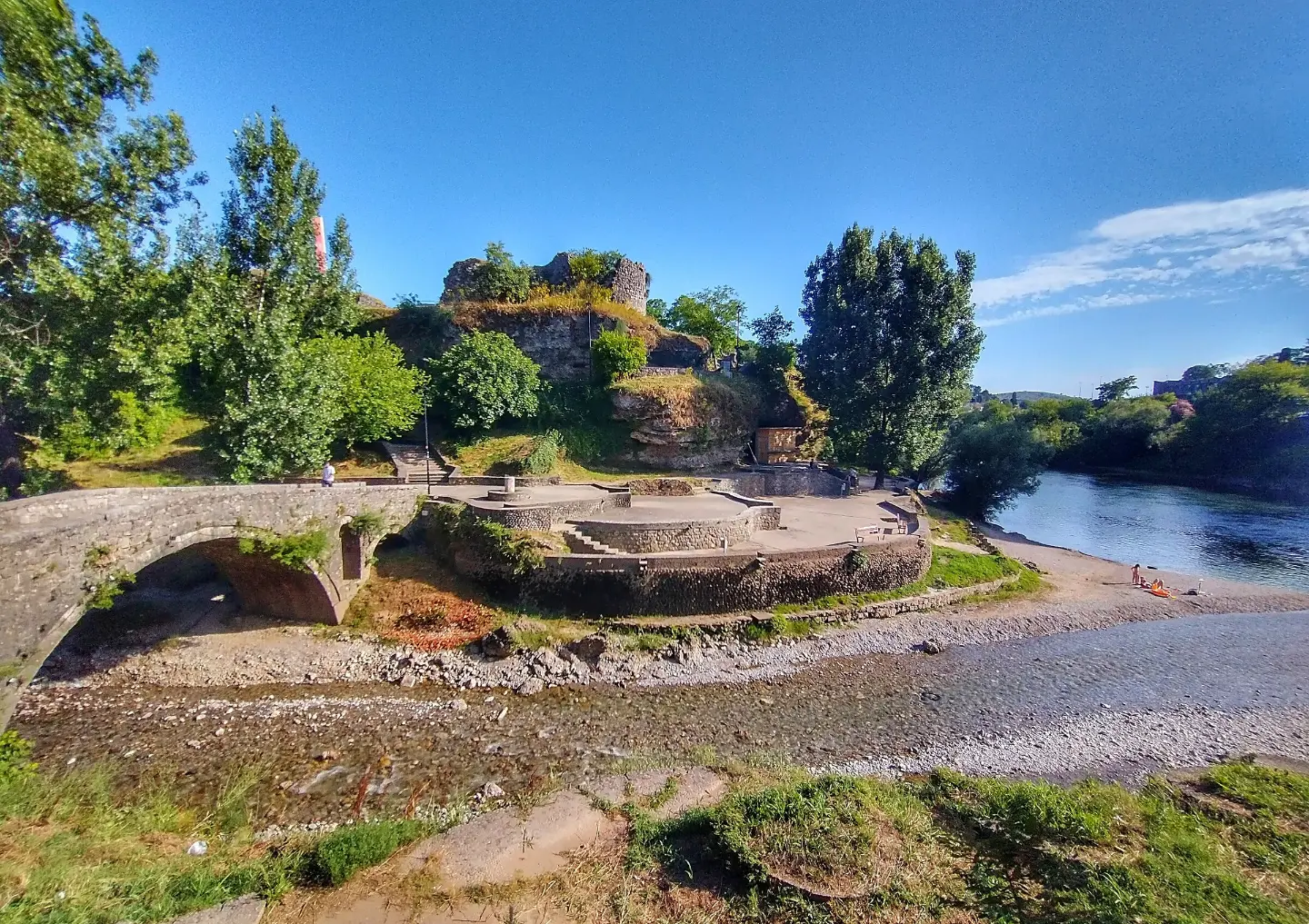
Epiphany Holy Cross Swim (Plivanje za Časni krst)
Swimmers race 33 metres through the icy Morača for the Holy Cross every Epiphany.
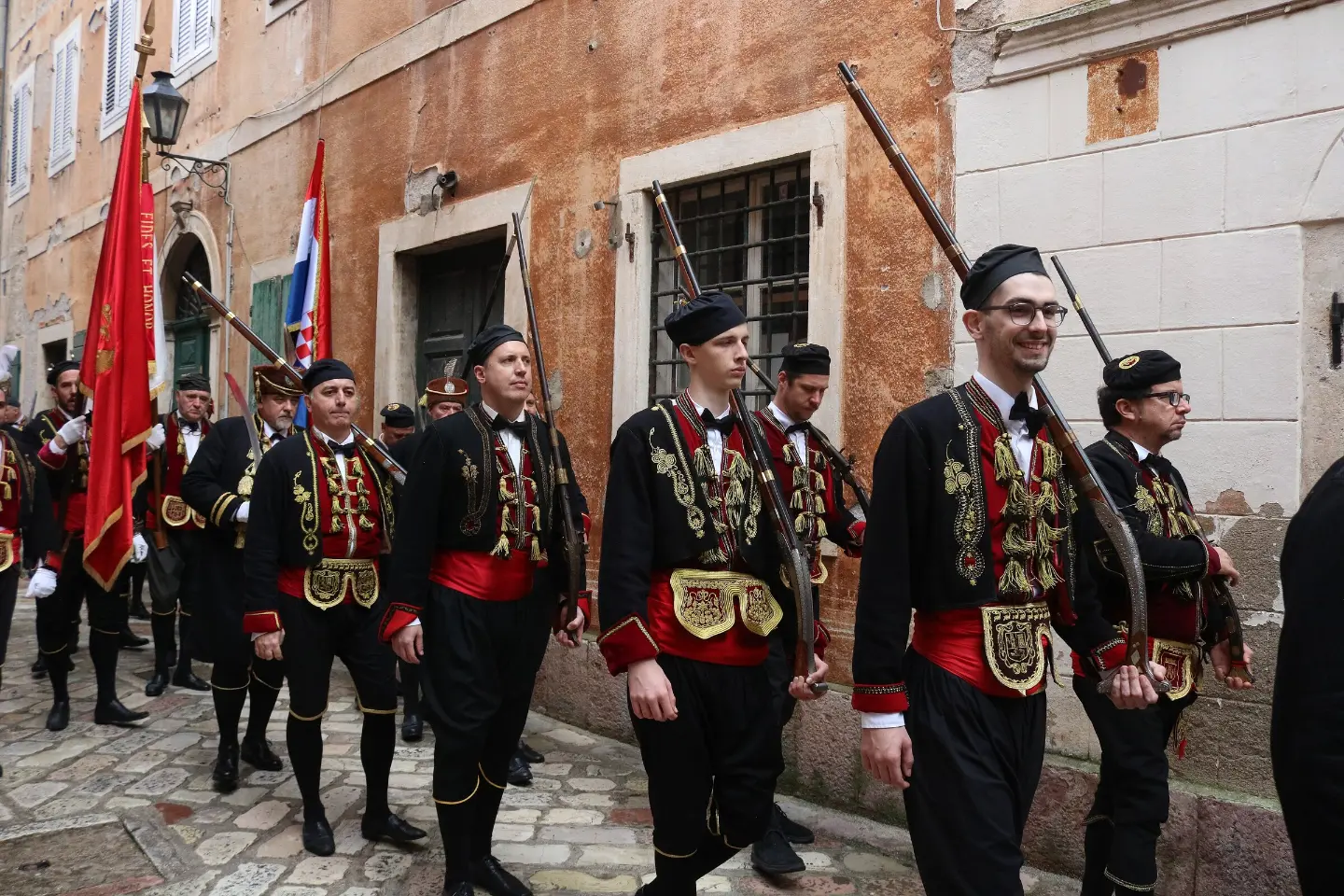
Feast of St. Tryphon (Tripundanske svečanosti)
The Adriatic's oldest feast: 1,200+ years of the Boka Navy kolo and processions before Kotor's cathedral.
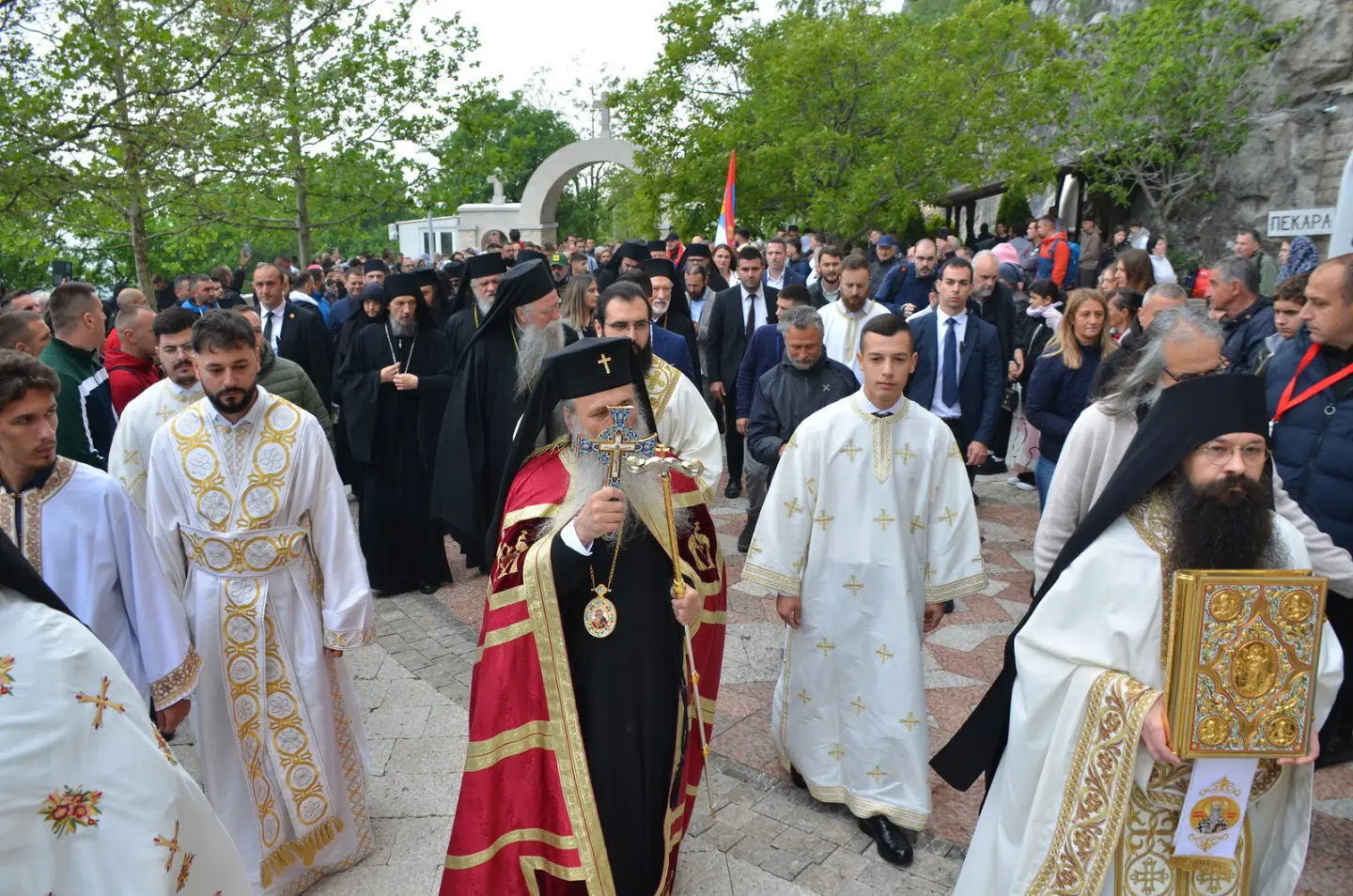
Ostrog Pilgrimage – Feast of St. Basil
Montenegro's largest pilgrimage: overnight vigil and dawn liturgy at Ostrog, 12 May.