
Visit Montenegro
Montenegro's Coastal Wilderness: Where Adriatic Waters Meet Pristine Nature
Montenegro Beaches

Montenegro's Coastal Wilderness: Where Adriatic Waters Meet Pristine Nature

From the longest sandy beaches of the Adriatic to hidden river deltas where pelicans soar, Montenegro's coastline reveals extraordinary biodiversity.

Places to Visit

Places to Visit

Discover Montenegro's coastal ecosystems where ancient Mediterranean forests meet pristine waters, creating unique habitats for endemic species.

Highlights

Featured

Dalmatian Pelican Sanctuary
01

Dalmatian Pelican Sanctuary

Ada Bojana hosts Europe's largest breeding population of Dalmatian pelicans, with over 300 breeding pairs returning annually to these protected wetlands.

Underwater Posidonia Forests
02

Underwater Posidonia Forests

Ancient seagrass meadows off Montenegro's coast create underwater forests that have been growing for over 1,000 years, supporting incredible marine biodiversity.

Endemic Pine Ecosystems
03

Endemic Pine Ecosystems

The Lustica Peninsula's Aleppo pine forests represent some of the last pristine Mediterranean coastal woodlands, harboring rare orchids and endemic insects.

Karst Cave Systems
04

Karst Cave Systems

Underwater limestone caves along the coast provide unique habitats for endemic crustaceans and serve as natural laboratories for marine biologists.

Guide

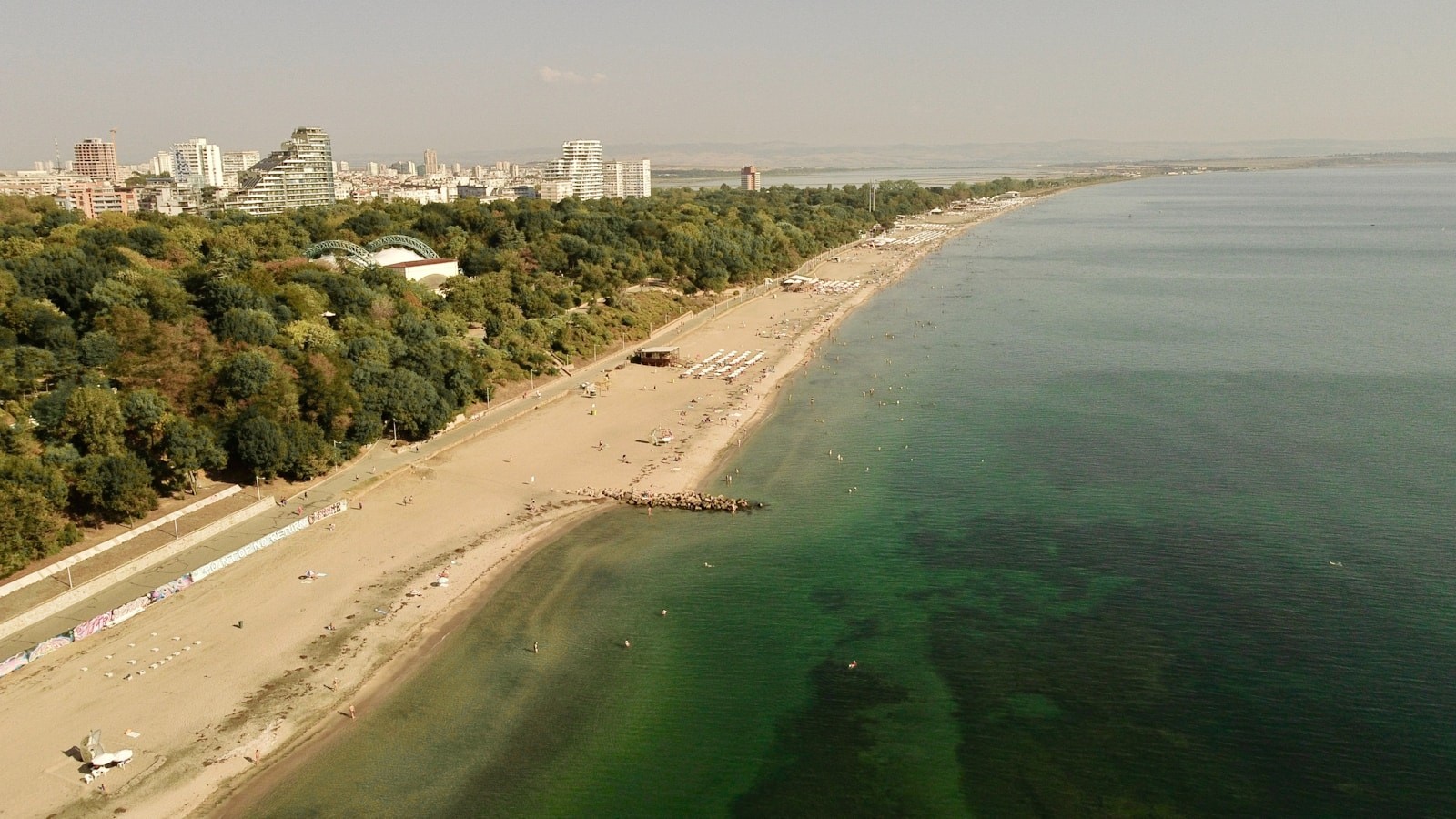
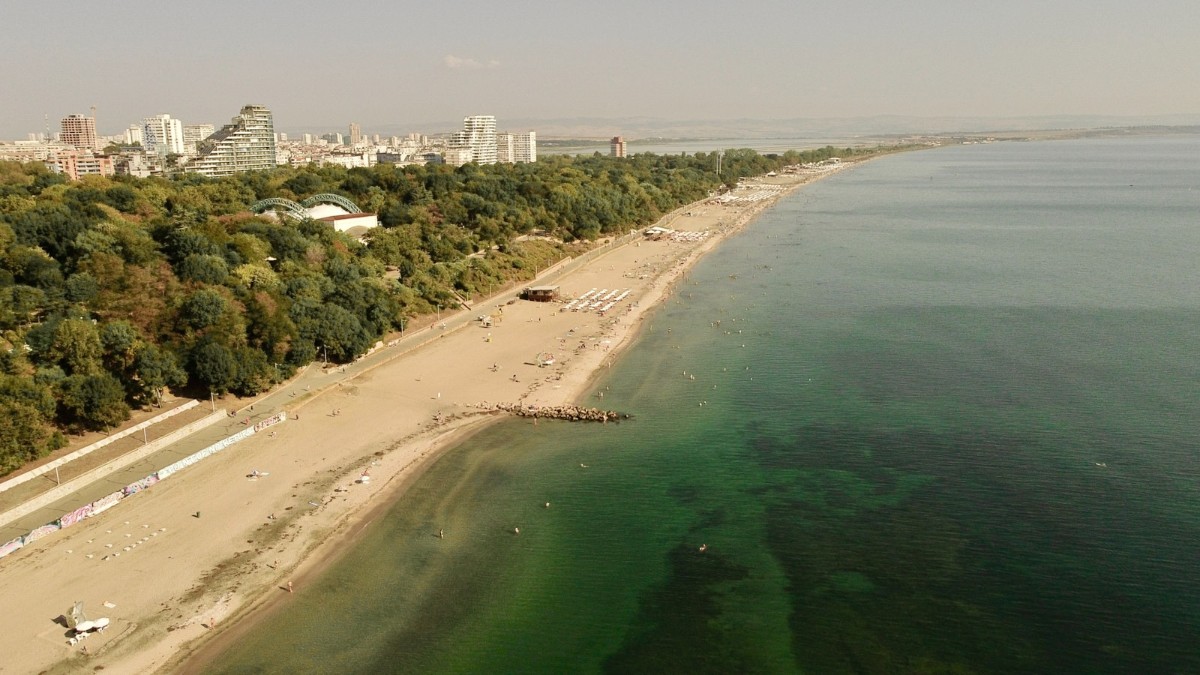
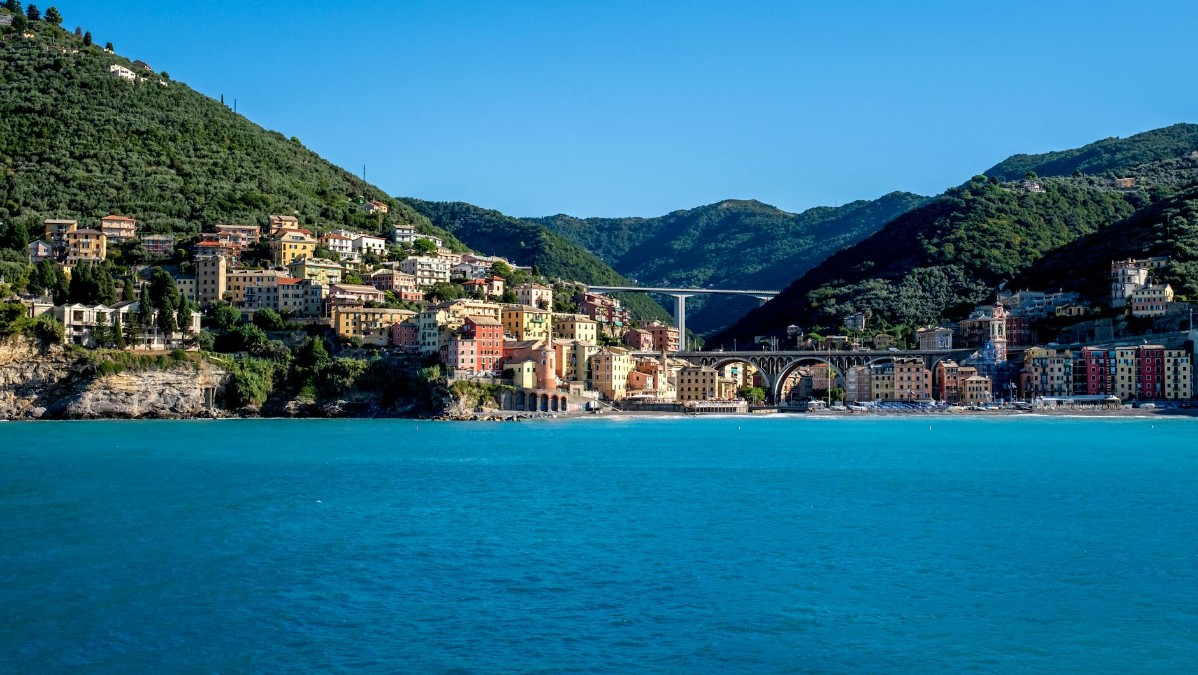
Montenegro's coastline stretches for just 295 kilometers, yet within this compact space lies an extraordinary tapestry of coastal ecosystems. From the dramatic limestone cliffs of the Bay of Kotor to the expansive sandy beaches of Ulcinj, this Adriatic jewel harbors remarkable biodiversity that has evolved over millennia.

Coastal Protected Areas

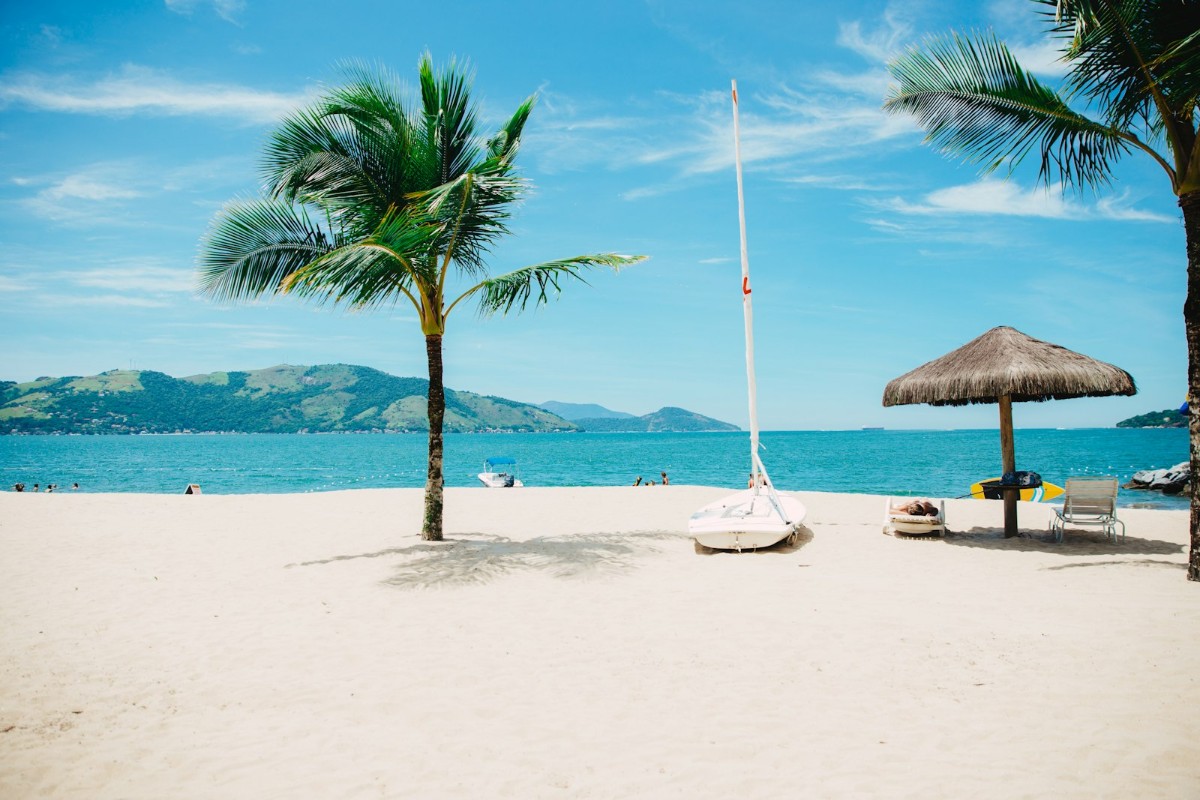
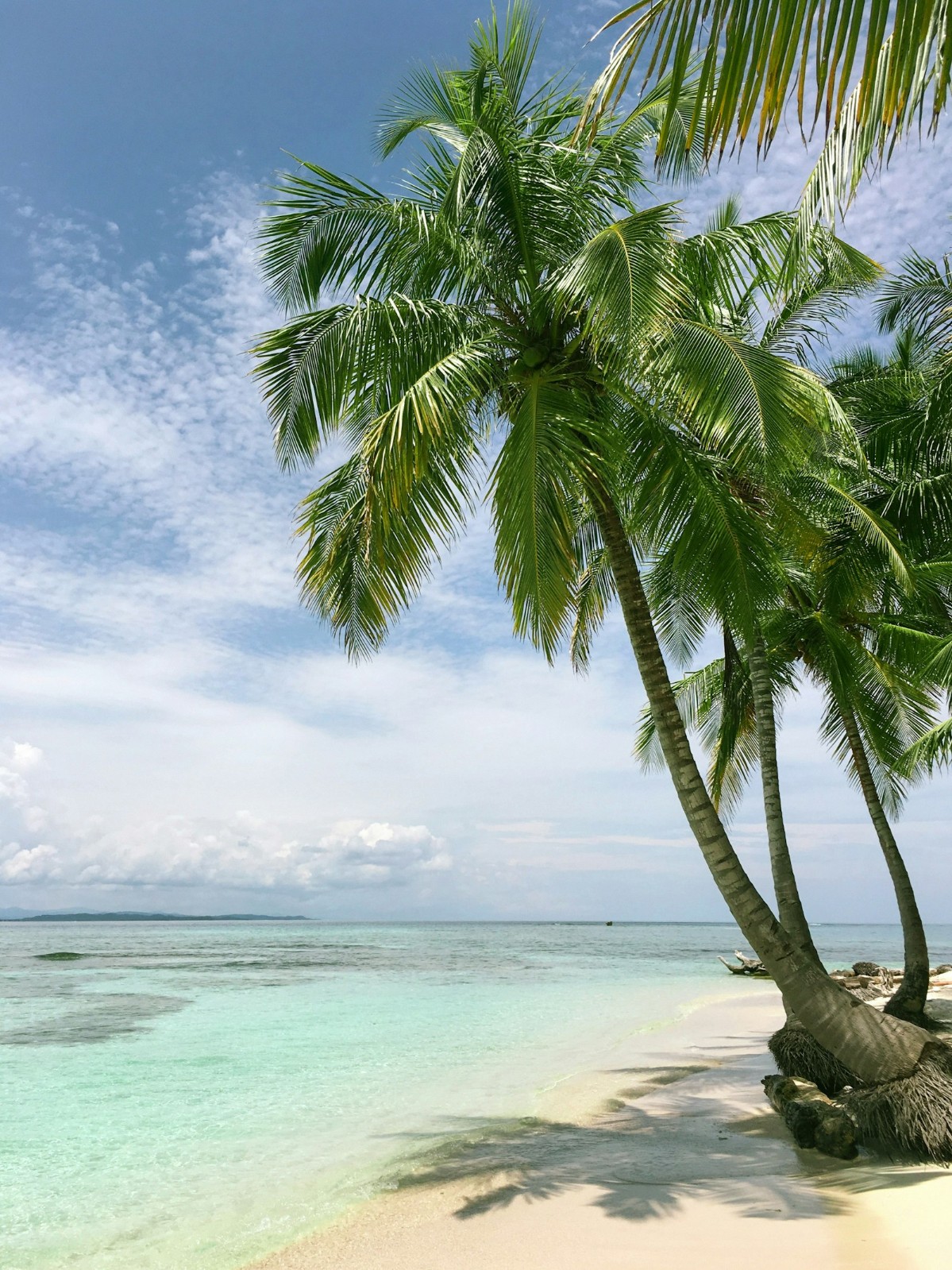
The Lustica Peninsula stands as Montenegro's crown jewel of coastal conservation, where ancient pine forests cascade down to secluded bays. Plavi Horizonti beach exemplifies this unique ecosystem, where Aleppo pines provide natural shade and create microhabitats for Mediterranean flora. The protected Skadar Lake delta system, where the Bojana River meets the sea at Ada Bojana, forms one of Europe's most important wetland ecosystems.

Endemic Coastal Flora

Montenegro's coastline hosts over 200 endemic plant species. The rocky shores support rare Mediterranean maquis vegetation, while the sandy beaches of Ulcinj nurture specialized halophytic plants adapted to salt spray and shifting sands.

Marine Ecosystems

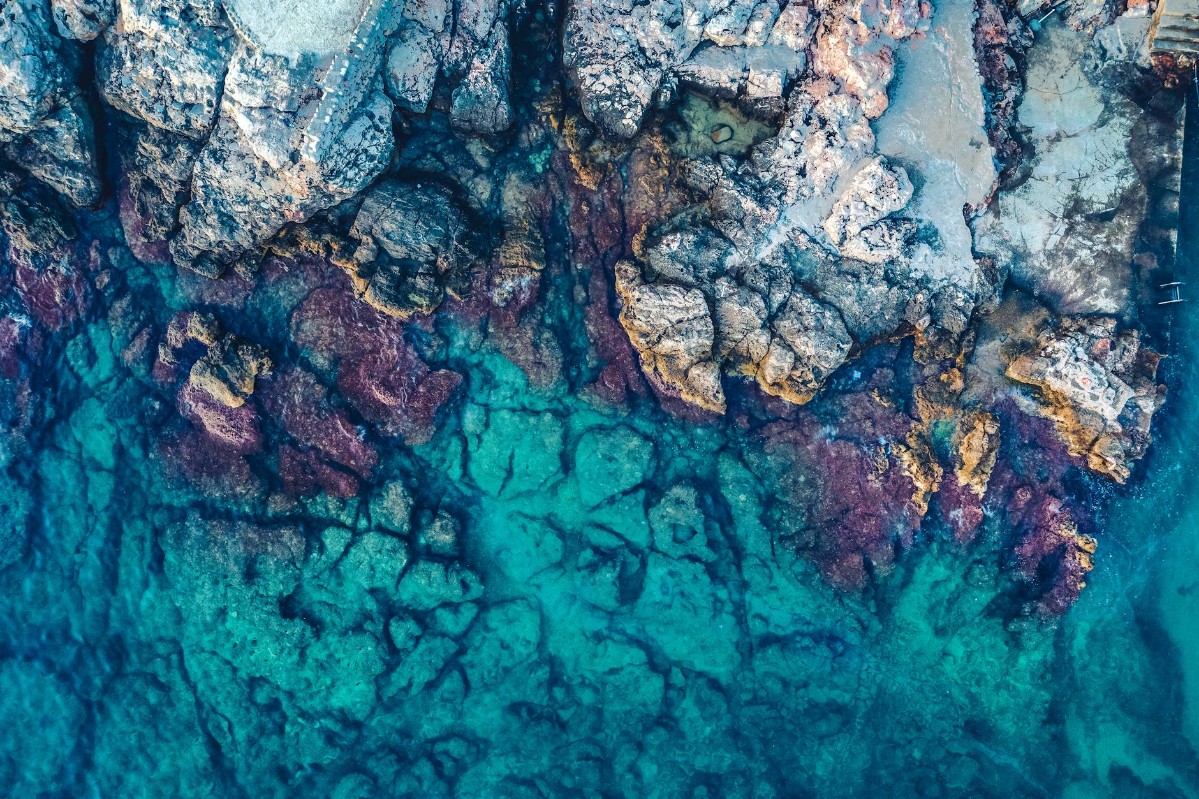
The Adriatic waters off Montenegro support vibrant underwater ecosystems. Posidonia seagrass meadows create underwater forests that serve as nurseries for over 40 fish species. The clear waters around Budva and Petrovac reveal underwater caves and rocky reefs teeming with Mediterranean marine life, making them prime locations for marine conservation research.

Wetland Sanctuaries

The Bojana River delta and Ada Bojana island form a critical stopover for migratory birds along the Adriatic flyway. Over 280 bird species have been recorded here, including the magnificent Dalmatian pelican, Europe's largest freshwater bird. These wetlands filter millions of gallons of water daily, maintaining the pristine quality of Montenegro's coastal waters.

Montenegro's beaches represent far more than recreational spaces—they are living laboratories where land meets sea, creating some of Europe's most biodiverse coastal ecosystems in miniature.
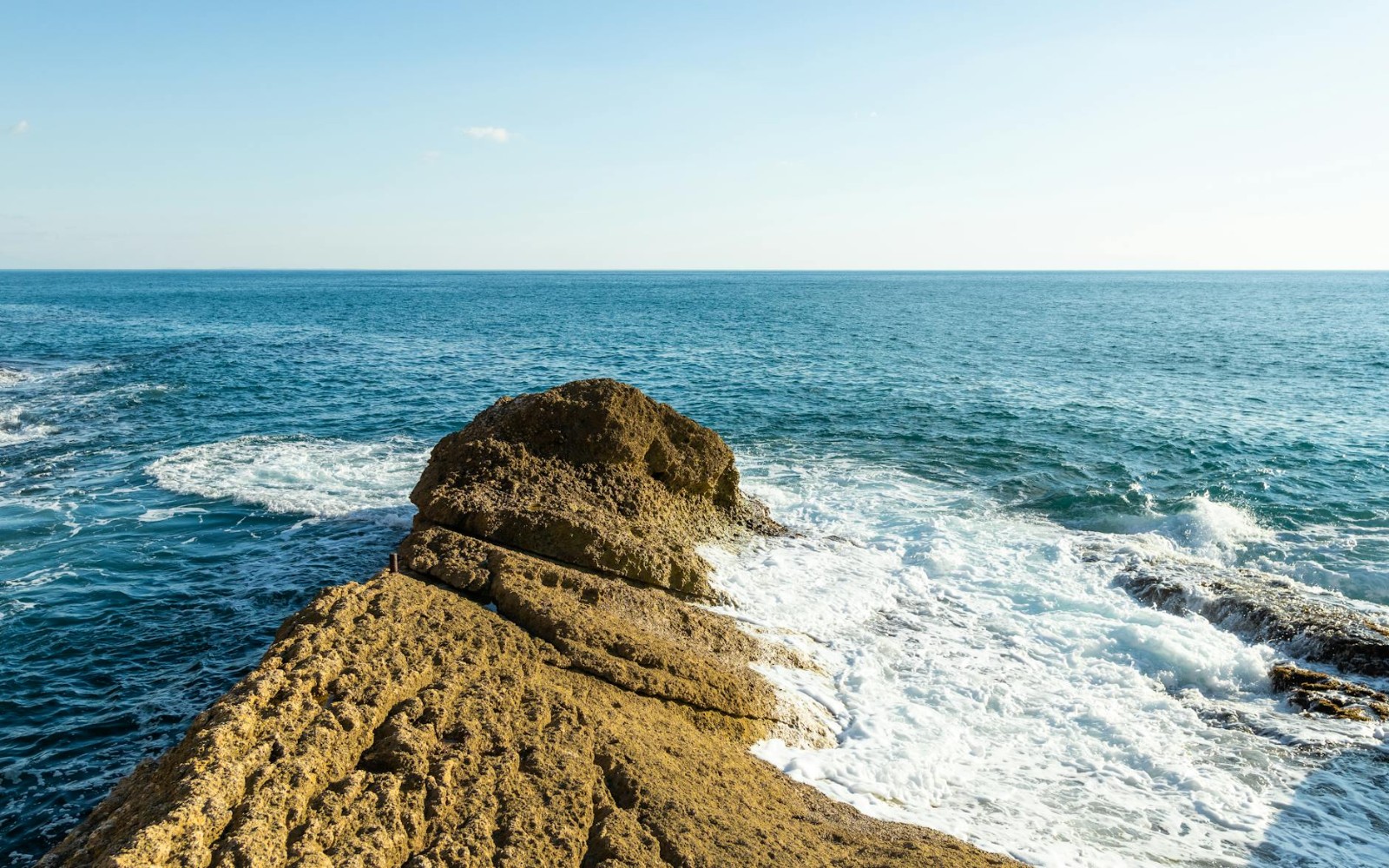
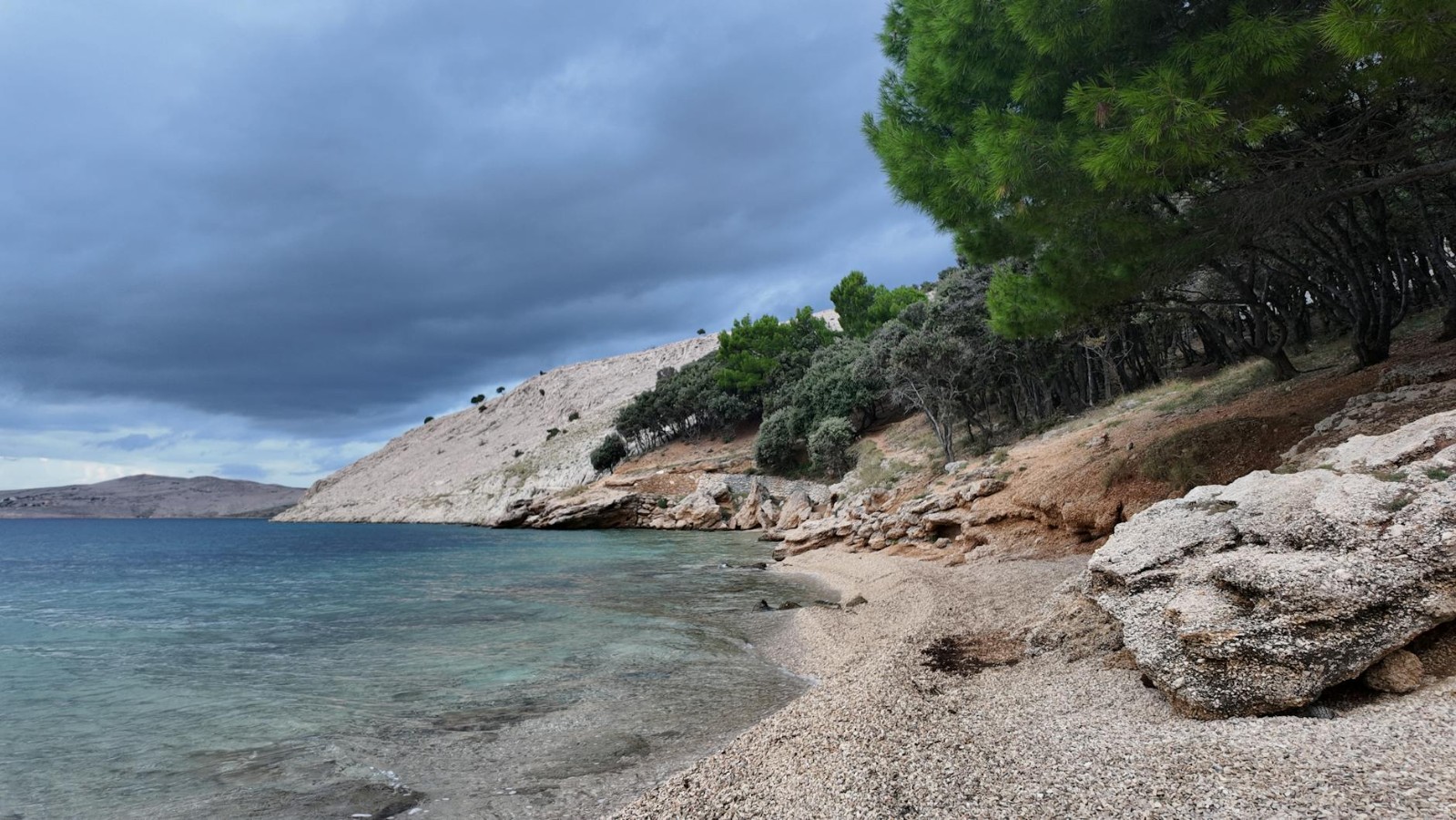
Where Rivers Meet the Sea

Montenegro's pristine coastal wilderness unveiled

Where Rivers Meet the Sea

Discover hidden ecosystems where ancient forests cascade to crystal waters and rare birds soar over untouched wetlands.

Did You Know?

Did You Know?

The Bojana River delta at Ada Bojana filters over 2 million gallons of water daily through its wetland system, maintaining some of the cleanest coastal waters in the Mediterranean while supporting Europe's largest population of Dalmatian pelicans. filters over 2 million gallons of water daily

Practical Info

Practical Info

Best Time to Visit

May to September offers optimal conditions for wildlife observation, with peak bird migration occurring in April-May and September-October.

Tips & Tricks

Visit early morning or late afternoon for optimal wildlife viewing. Bring binoculars for bird watching at Ada Bojana and waterproof gear for exploring marine ecosystems.

FAQ

FAQ

Montenegro's coastline compresses extraordinary biodiversity into a small area, featuring everything from Mediterranean pine forests to pristine wetlands. The interaction between limestone karst geology, river deltas, and Adriatic waters creates unique microhabitats found nowhere else in Europe.
Peak wildlife activity occurs from May through September, with spring and autumn migrations offering spectacular bird watching opportunities. Early morning and late afternoon provide optimal conditions for observing both terrestrial and marine species.
Yes, several areas enjoy protection including parts of the Lustica Peninsula, the entire Bojana River delta system, and Skadar Lake's coastal wetlands. These protected zones serve as crucial refuges for endemic species and migratory wildlife.
Montenegro's coast hosts over 200 endemic plant species, several endemic freshwater fish in coastal rivers, and unique invertebrates adapted to the karst limestone environment. The Bojana delta alone supports dozens of species found nowhere else.
Conservation programs have successfully restored wetland habitats, increased pelican populations by 40% since 2000, and established marine protected areas that allow fish populations to recover while maintaining water quality.
Beaches serve as critical interfaces between terrestrial and marine ecosystems, providing nesting sites for sea turtles, feeding grounds for shorebirds, and natural barriers that protect inland habitats from storms and erosion.

Travel Assistant

Ask about Montenegro

Welcome!

Ask me about destinations, restaurants or activities.