Travel to Montenegro
Stargazing in Montenegro
Astronomical Wonder

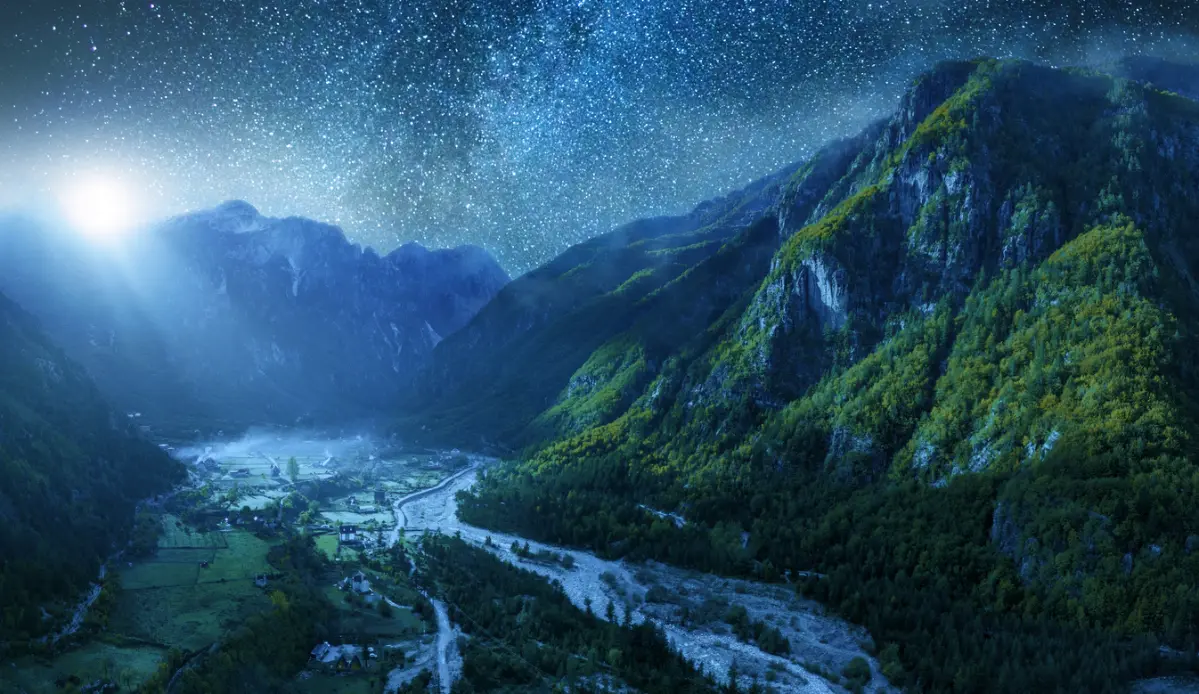
In Montenegro's pristine national parks, darkness reveals the greatest natural theatre — a celestial canvas untouched by light pollution.

Stargazing in Montenegro

Overview

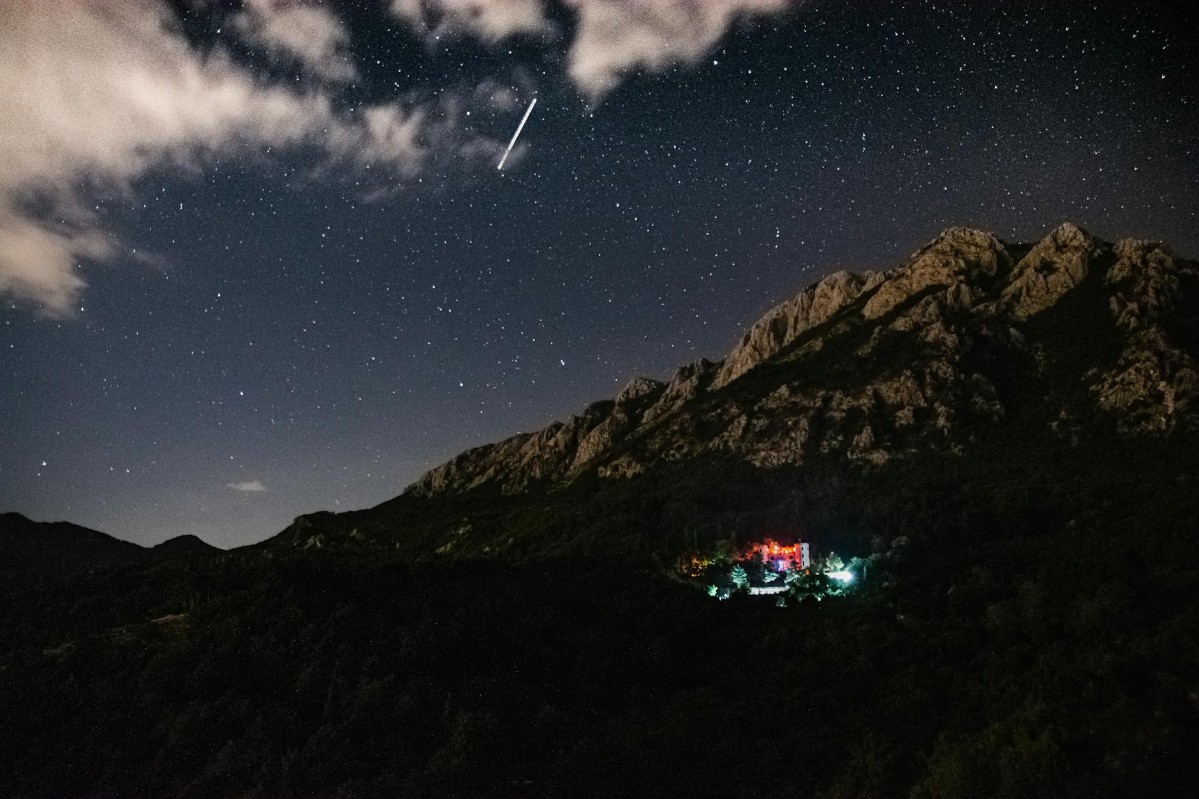
In Montenegro's protected wilderness, darkness reveals the most spectacular natural theatre. Here, jagged mountain silhouettes frame the ancient light of the Milky Way, while endemic nocturnal species navigate by celestial landmarks unchanged for thousands of years. These dark sky sanctuaries preserve both astronomical heritage and biodiversity in perfect harmony.

Discover Montenegro's darkest skies in Durmitor, Prokletije and Lovćen, where mountain peaks frame the Milky Way in breathtaking clarity.

stargazingdark skynational parksastronomynight photographynature conservation

Dark Sky Rating

Bortle Class 2–3

Optimal Altitude

1,500–2,500 m

Optimal Conditions

New Moon Phases

Clearest Skies

Winter Months

Nocturnal Species

25+ Protected

Milky Way Season

April–October

Highlights

Durmitor's Cosmic Arena
01
Fact 01

Durmitor's Cosmic Arena

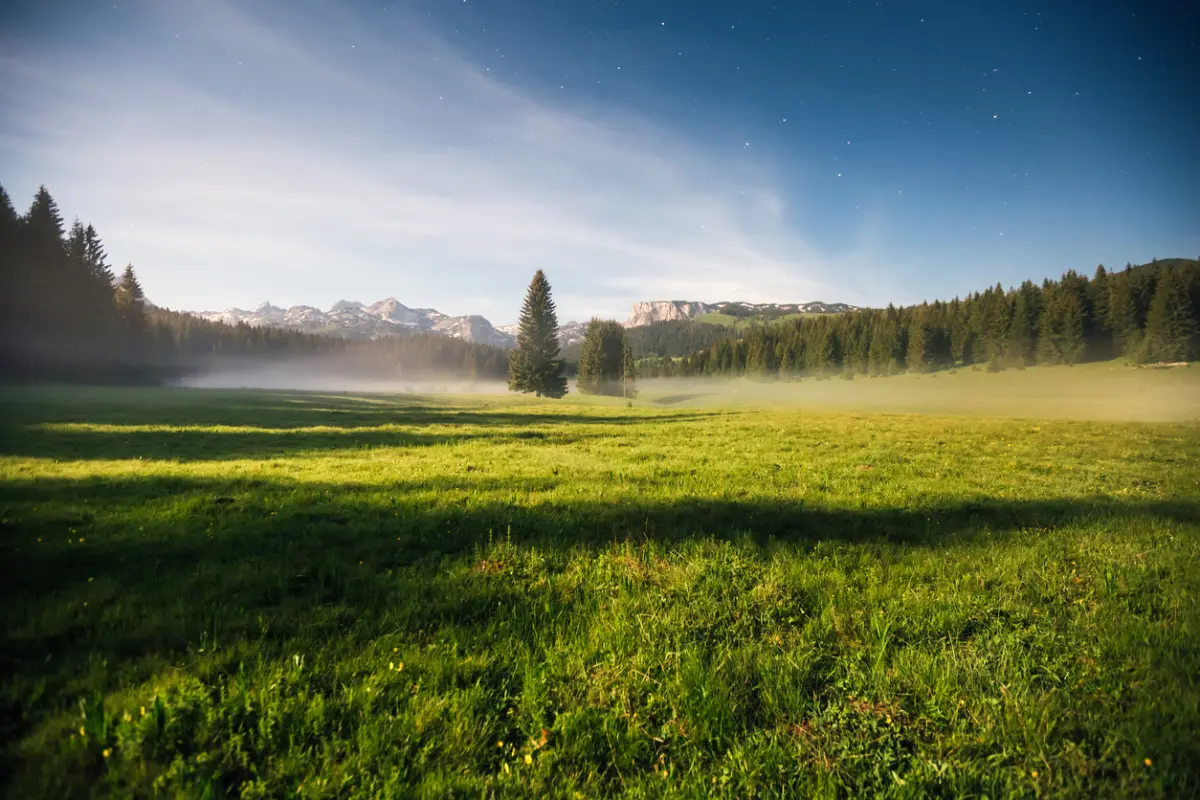
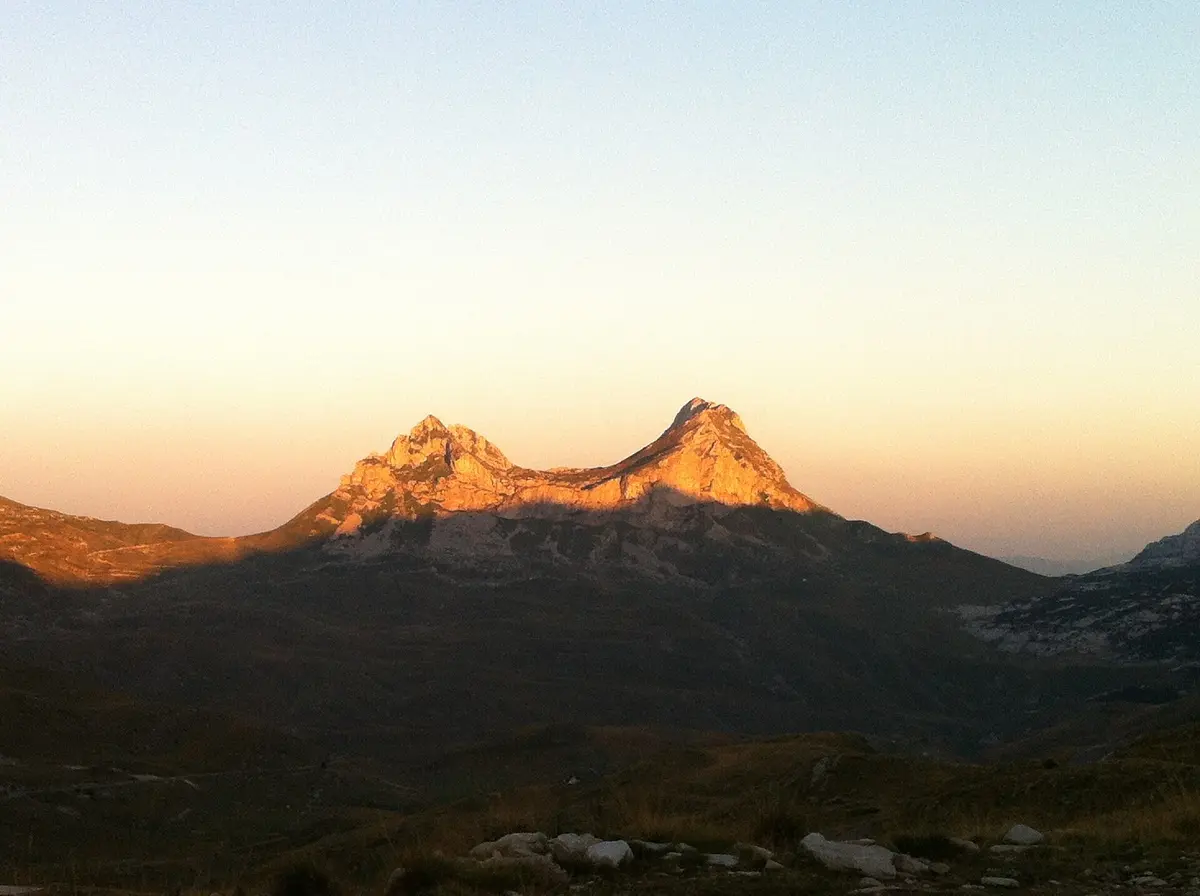
Europe's most prestigious dark sky destination, where glacial lakes reflect starlight and limestone peaks frame the galactic core. Minimal light pollution creates exceptional observation conditions throughout the year.
01
04
Prokletije's Starlit Wilderness
02
Fact 02

Prokletije's Starlit Wilderness

Montenegro's most remote stargazing location offers pristine skies above 2,000 metres. The crisp mountain air and complete darkness reveal deep-sky objects invisible from lower altitudes.
02
04
Lovćen's Dual Perspective
03
Fact 03

Lovćen's Dual Perspective

A unique position between the mountains and the coast provides diverse stargazing experiences. Observe both inland dark skies and coastal light interactions from a single location.
03
04
Seasonal Celestial Performances
04
Fact 04

Seasonal Celestial Performances

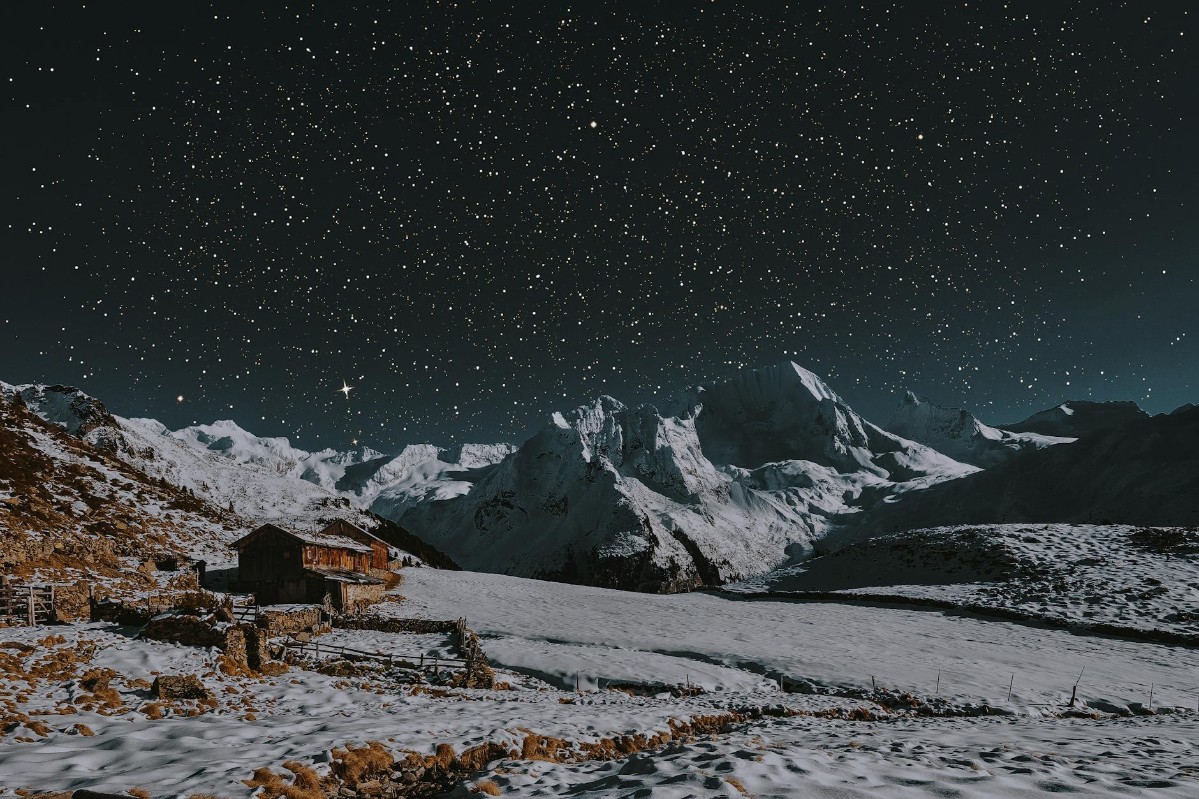
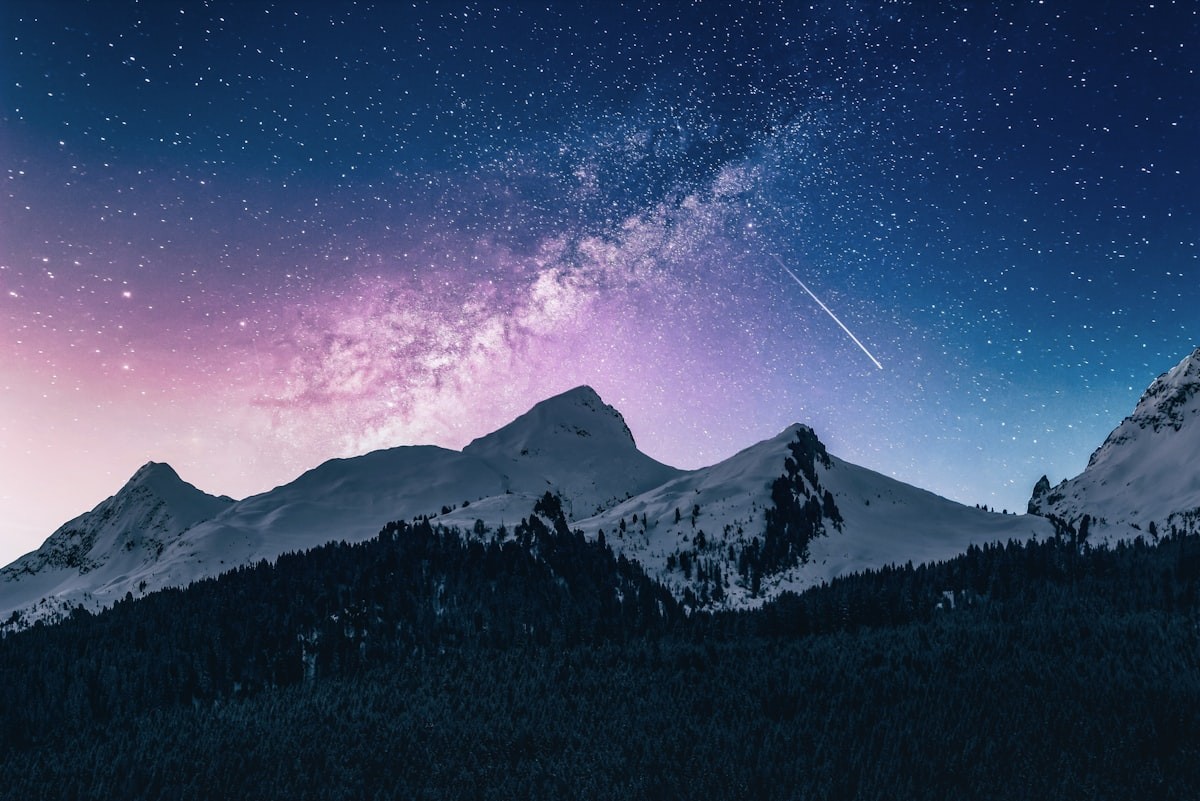
Every season transforms the night sky experience. Summer reveals the galactic core of the Milky Way, while winter showcases brilliant constellations against a backdrop of snow-covered peaks.
04
04

Key Sites

Most notable sites — Stargazing in Montenegro

01EASY

Durmitor National Park

Žabljak Observatory Trail

Durmitor National Park

Žabljak Observatory Trail

An easily accessible route to high-altitude observation platforms near Montenegro's astronomical centre. Paved paths lead to optimal stargazing positions with minimal light interference.

02MODERATE

Durmitor National Park

Black Lake Stargazing Circuit

Durmitor National Park

Black Lake Stargazing Circuit

A moderate hike to a glacial lake offering perfect reflection photography opportunities. The lake's surface mirrors starlight, creating double-sky effects for spectacular observation.

03EXPERT

Durmitor National Park

Bobotov Kuk Night Ascent

Durmitor National Park

Bobotov Kuk Night Ascent

A challenging night hike to Montenegro's highest peak for the ultimate dark sky experience. Requires hiking experience and appropriate equipment for high-altitude conditions.

04MODERATE

Lovćen National Park

Lovćen Mausoleum Route

Lovćen National Park

Lovćen Mausoleum Route

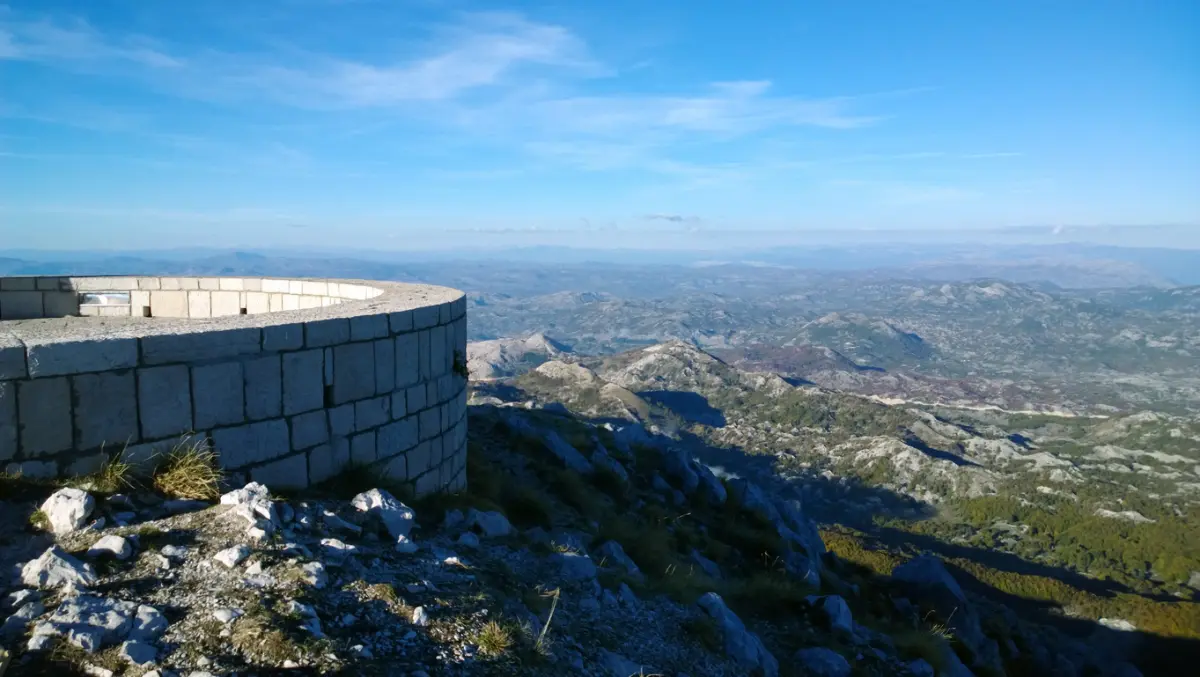
A moderate ascent to the Njegoš Mausoleum area with panoramic sky views. Historical significance combines with astronomical observation for a unique cultural and natural experience.

05HARD

Prokletije National Park

Prokletije Wilderness Trail

Prokletije National Park

Prokletije Wilderness Trail

A remote wilderness trail leading to Montenegro's darkest skies. Requires navigation skills and wild camping experience for multi-day astronomical expeditions.
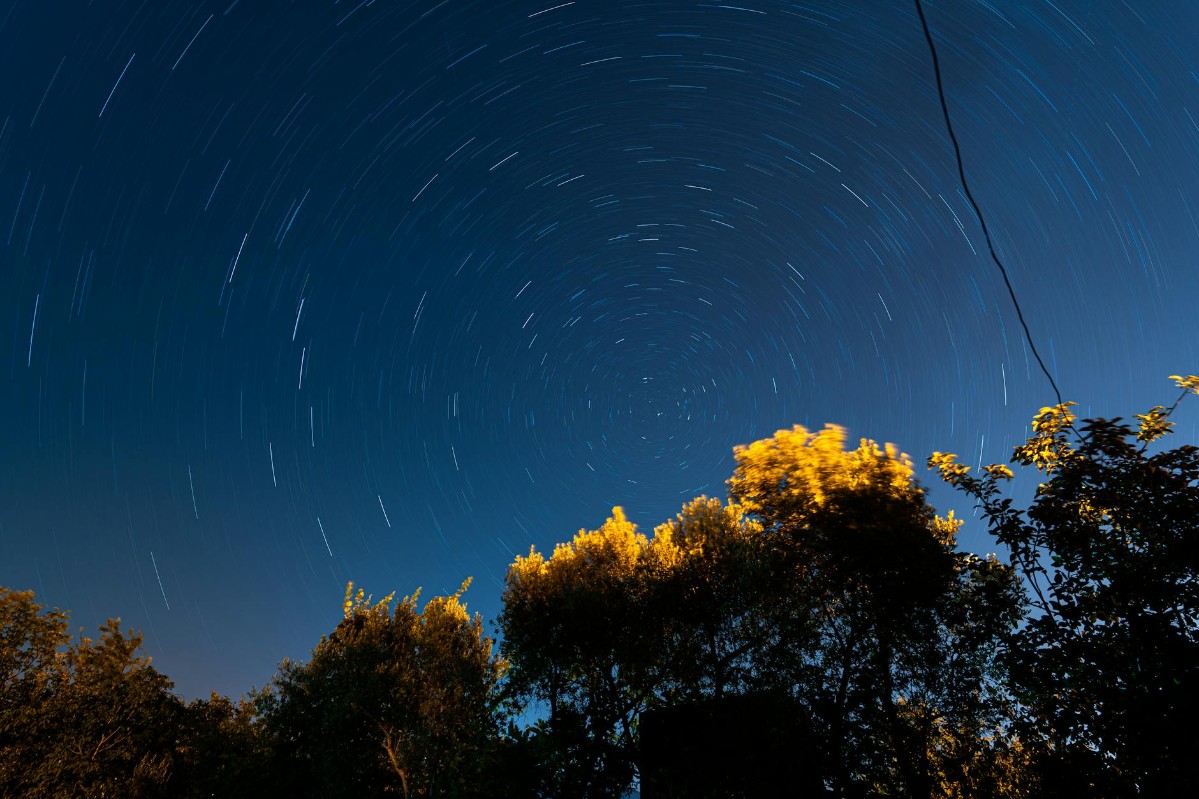
The Celestial Theatre of the Balkans

Where mountain peaks frame infinite cosmic wonder

The Celestial Theatre of the Balkans

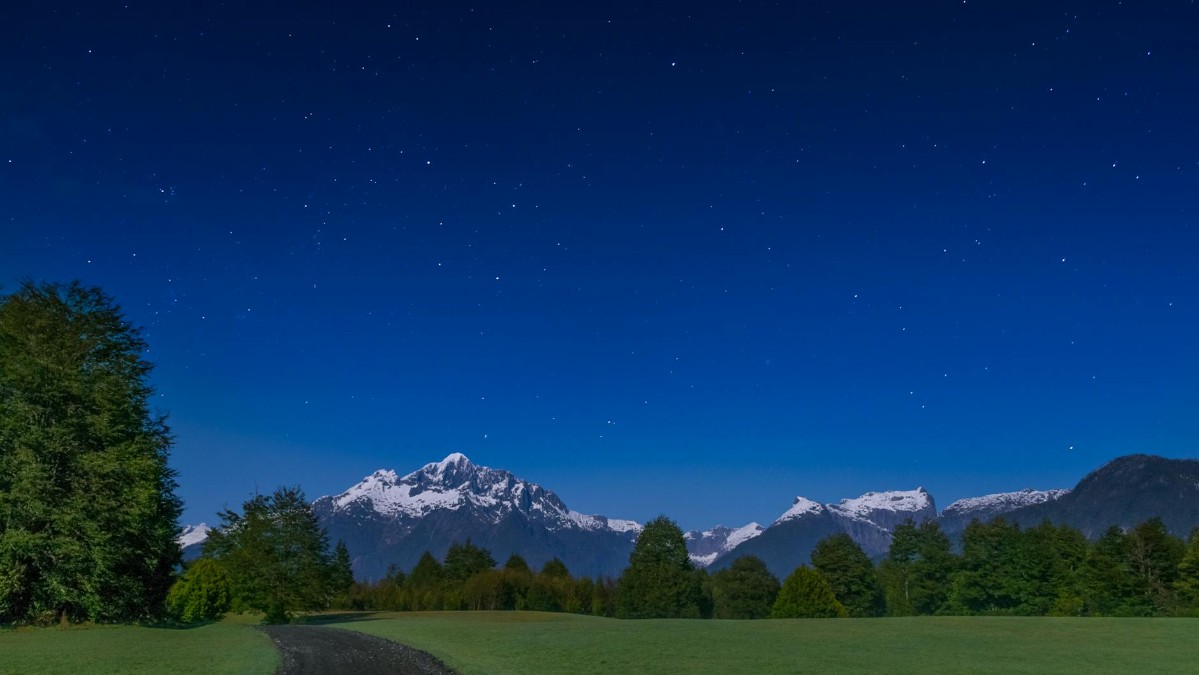
Ancient peaks rise towards a star-filled sky in Montenegro's pristine wilderness, creating natural observatories for cosmic exploration.

Durmitor National Park in Montenegro reaches Bortle Class 2 dark sky conditions, making it one of only a handful of plac

Did You Know?

Durmitor National Park in Montenegro reaches Bortle Class 2 dark sky conditions, making it one of only a handful of places in Europe where the Milky Way casts visible shadows on the ground during moonless nights.

Plan Your Visit

Before You Go

Best Time to Visit

June to September offers the warmest conditions and longest nights, while December to February provides the greatest atmospheric clarity for deep-sky observation.

FAQ

Frequently Asked Questions

Montenegro's mountainous terrain, sparse population and protected national parks create vast areas with minimal light pollution. High altitude and clean mountain air provide exceptional atmospheric clarity for astronomical observation.
Binoculars (7x50 or 10x50) are excellent for beginners, while telescopes with a 15–20 cm aperture reveal deep-sky details. Red-filter torches preserve night vision, and warm clothing is essential even in summer at high altitudes.
New moon periods offer the darkest skies. Summer provides the warmest conditions and Milky Way visibility, while winter offers the clearest atmospheric conditions and the longest nights for observation.
Several operators offer astronomical tours in Durmitor and other national parks, combining stargazing with night photography workshops and astronomical education. Local guides provide insight into nocturnal life both in the sky and on the ground.
Preserving dark skies protects nocturnal wildlife habitats and natural circadian rhythms. Astronomical tourism promotes conservation awareness while providing sustainable income for local communities in protected areas.
The Milky Way is clearly visible, along with nebulae, star clusters and galaxies invisible from light-polluted areas. Planets, meteor showers and seasonal constellations provide observation opportunities throughout the year.

Travel Assistant

Ask about Montenegro

Welcome!

Ask me about destinations, restaurants or activities.