

Budva
A PADI dive school: introductory dives, courses, guided boat dives and snorkelling, with at most four divers per guide.
The Tihany steamer off Mamula, the Blue Cave on Luštica, the caves of Bar and the reefs around Budva
Montenegro's seabed is rocky and clear, with walls, caves and tunnels, and wrecks from both world wars. At the mouth of the Bay of Kotor, by the island of Mamula, the Austro-Hungarian steamer Tihany lies at 40 metres. Around Budva and Sveti Stefan there are shallower reefs and a minesweeper wreck suited to first dives, while near Bar are Mikovića cave and deep sites for technical divers. Visibility at these sites ranges from 10 to 25 metres.
Where to dive in Montenegro: the Tihany wreck at the mouth of the Bay of Kotor, the Blue Cave, a minesweeper off Sveti Stefan and Mikovića cave near Bar.
The Adriatic off Montenegro has no coral reefs of the tropical kind. The seabed is rocky, with steep walls, caves and tunnels covered in sponges, sea fans and algae, while octopus, lobster and shoals of fish live among the rocks. A local dive centre quotes visibility of 10 to 25 metres at their sites and water temperatures at depth of 16 to 23 °C.
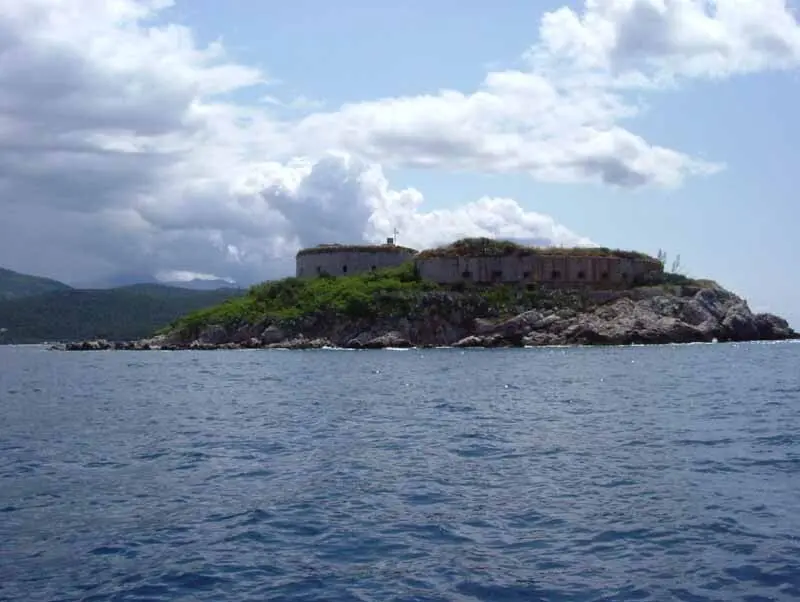
The best-known wreck is the Tihany, an Austro-Hungarian passenger and cargo steamer built in Trieste in 1908 and 45.4 metres long. It carried oil and coal along the Adriatic, and on 12 February 1917 it ran aground in bad weather and sank near the island of Mamula. Today it lies in one piece on a sandy bottom at 40 metres and is meant for divers with Advanced Open Water and Deep Diver certification.
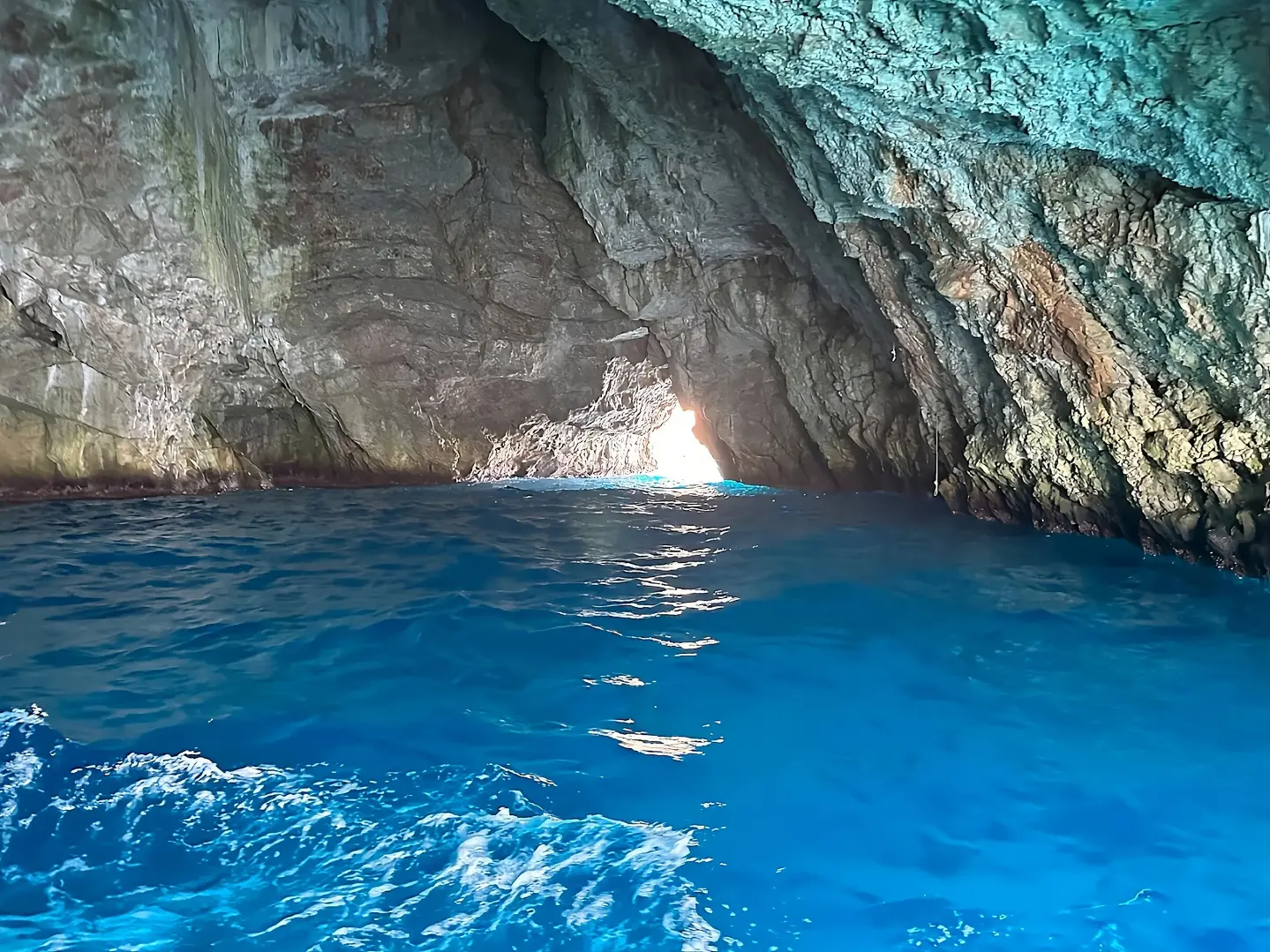
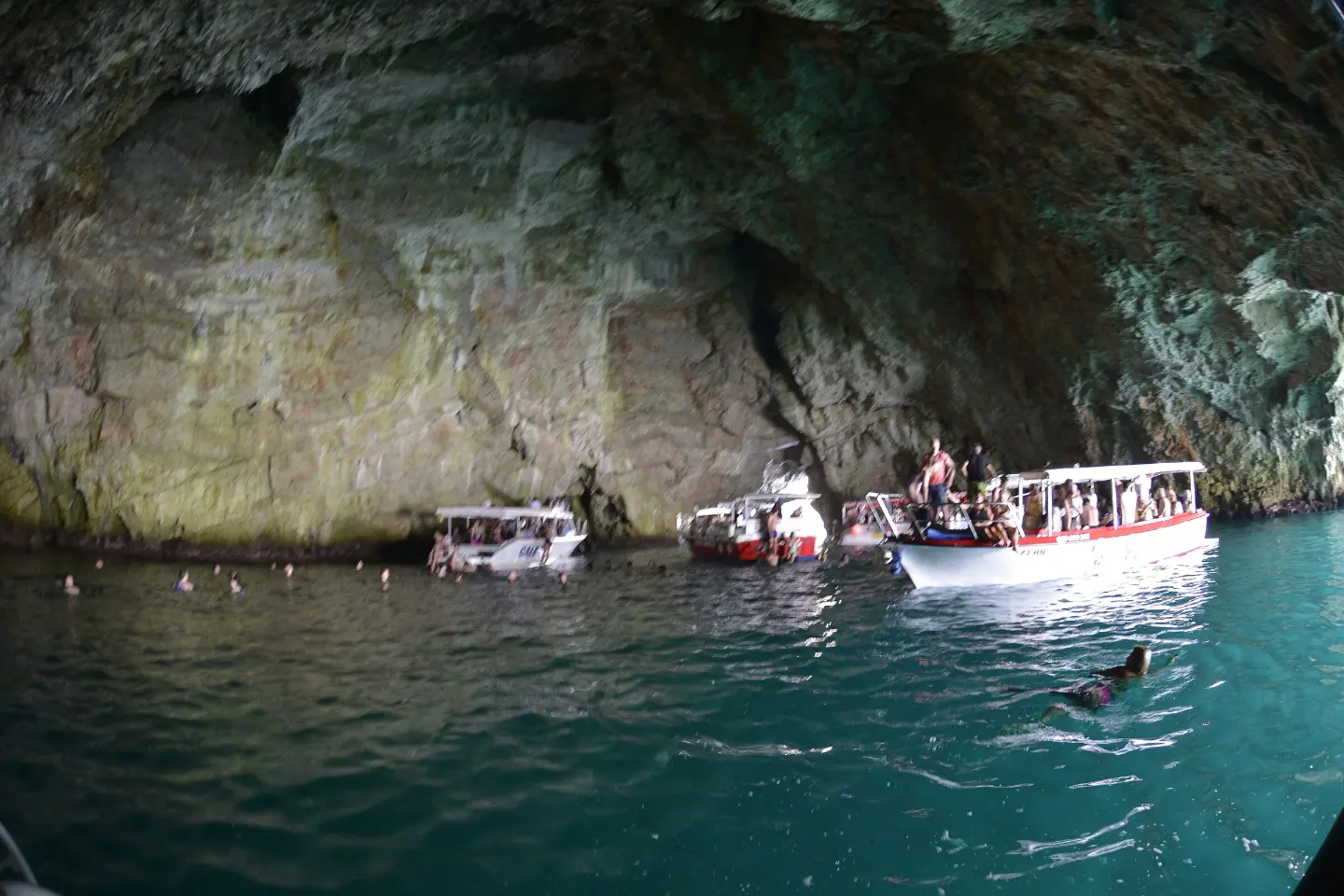
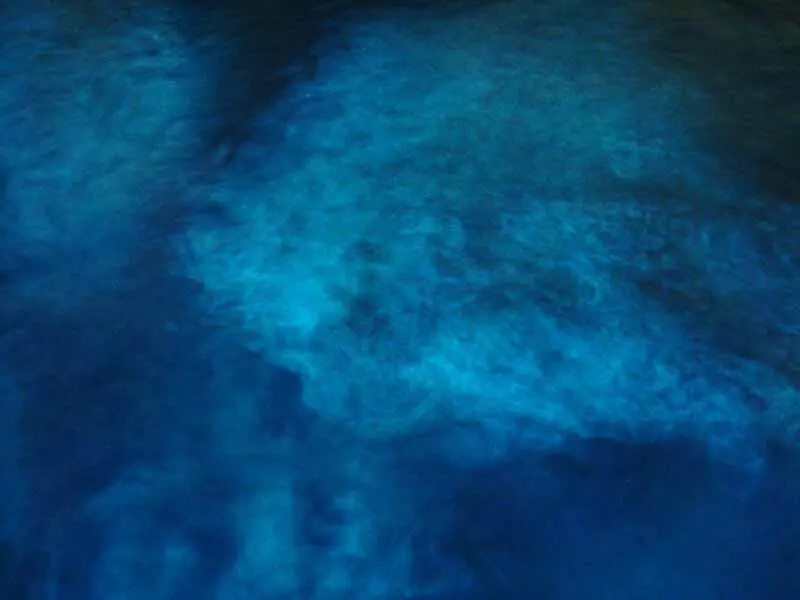
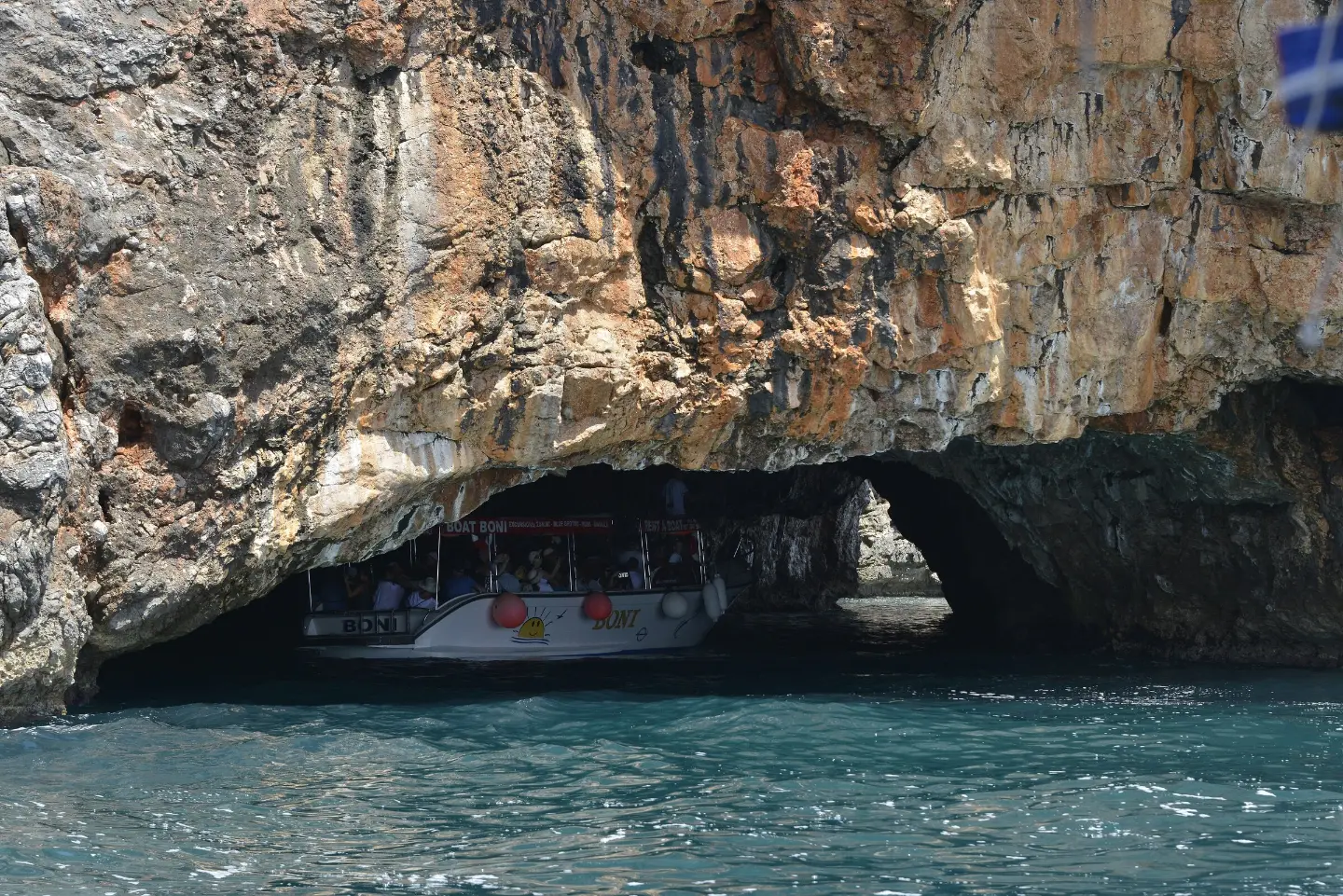
In Žanjice bay, at up to 25 metres, lies a Yugoslav Navy patrol boat built in 1952 and sunk as a target during a military exercise, open to Open Water divers. Luštica also has the Blue Cave (Plava špilja), between Zlatna luka bay and Cape Mokra gora: the water inside is up to five metres deep, and the blue is at its most striking once you dive.
Did you know?
The aircraft lying at 54 metres off Čanj beach was long thought to be an Italian military plane, but turned out to be a German Junkers Ju 88 twin-engine bomber from the Second World War.
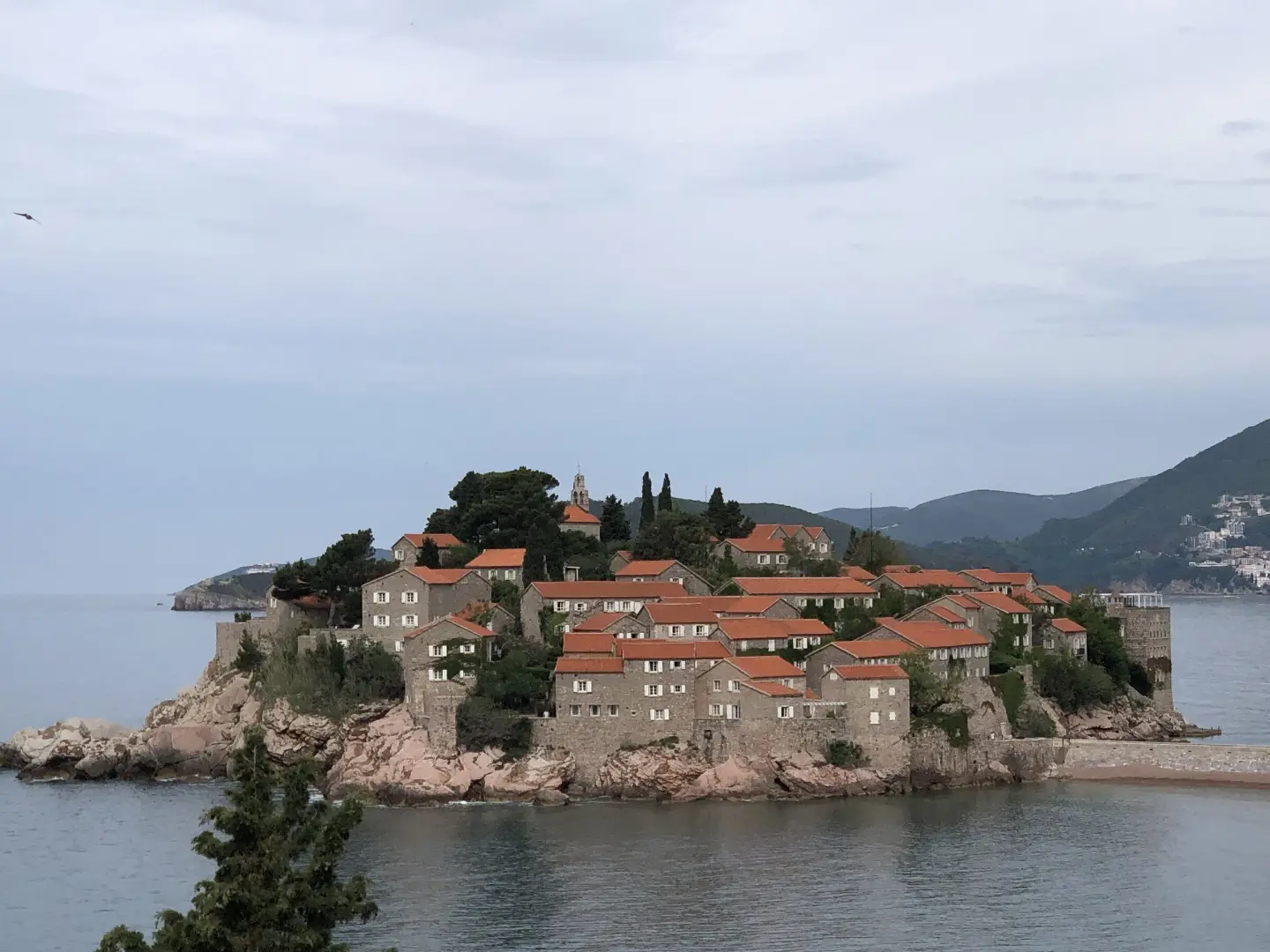
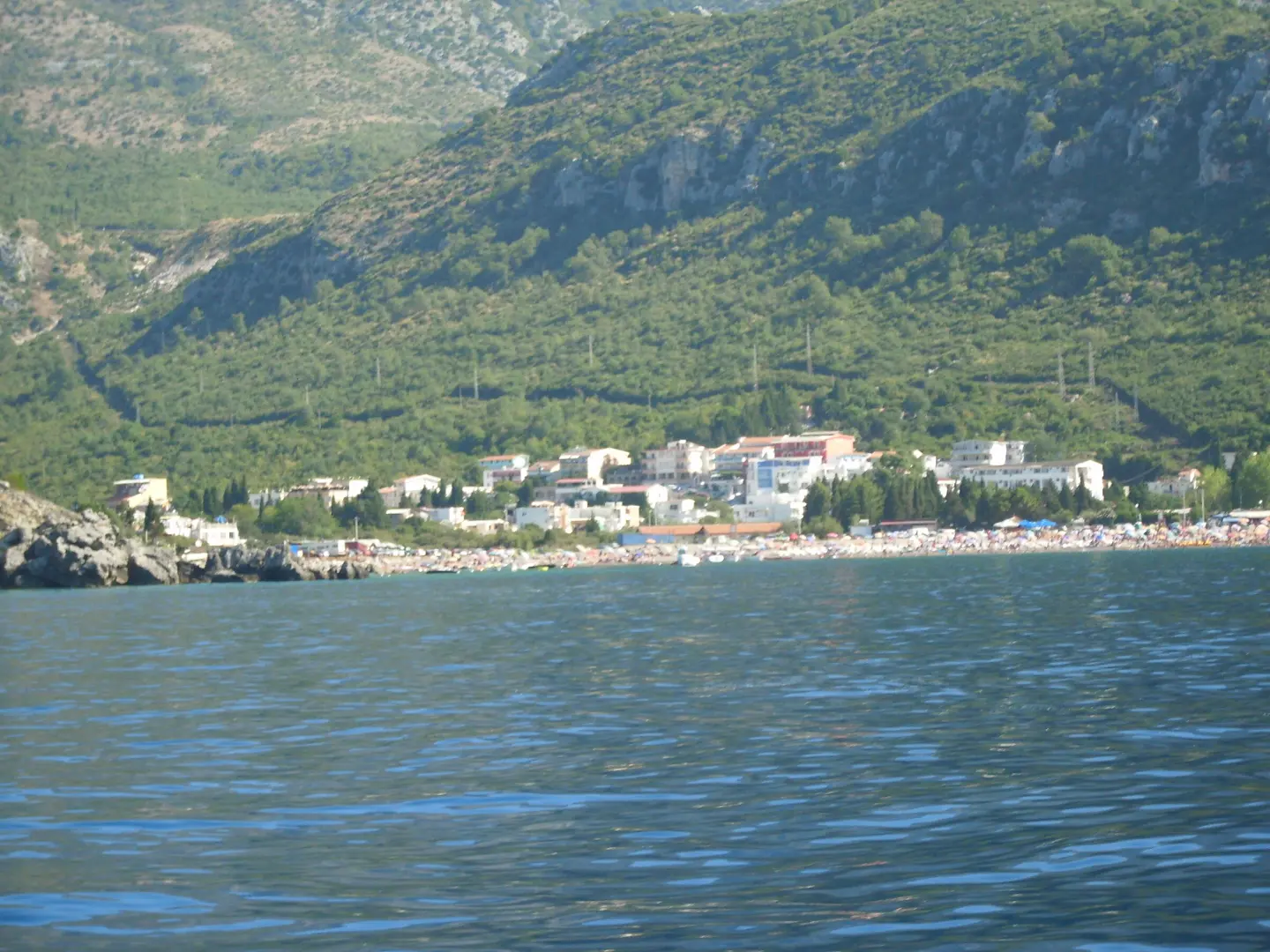
The Budva Riviera is a good place for first dives. Off Sveti Stefan, on a sandy bottom at up to 24 metres, lies the wreck of a minesweeper about 30 metres long, a popular first wreck dive. Shallow reefs with tunnels down to 12 metres suit beginners. Dive clubs operate in Budva, Pržno, Sveti Stefan and Petrovac.
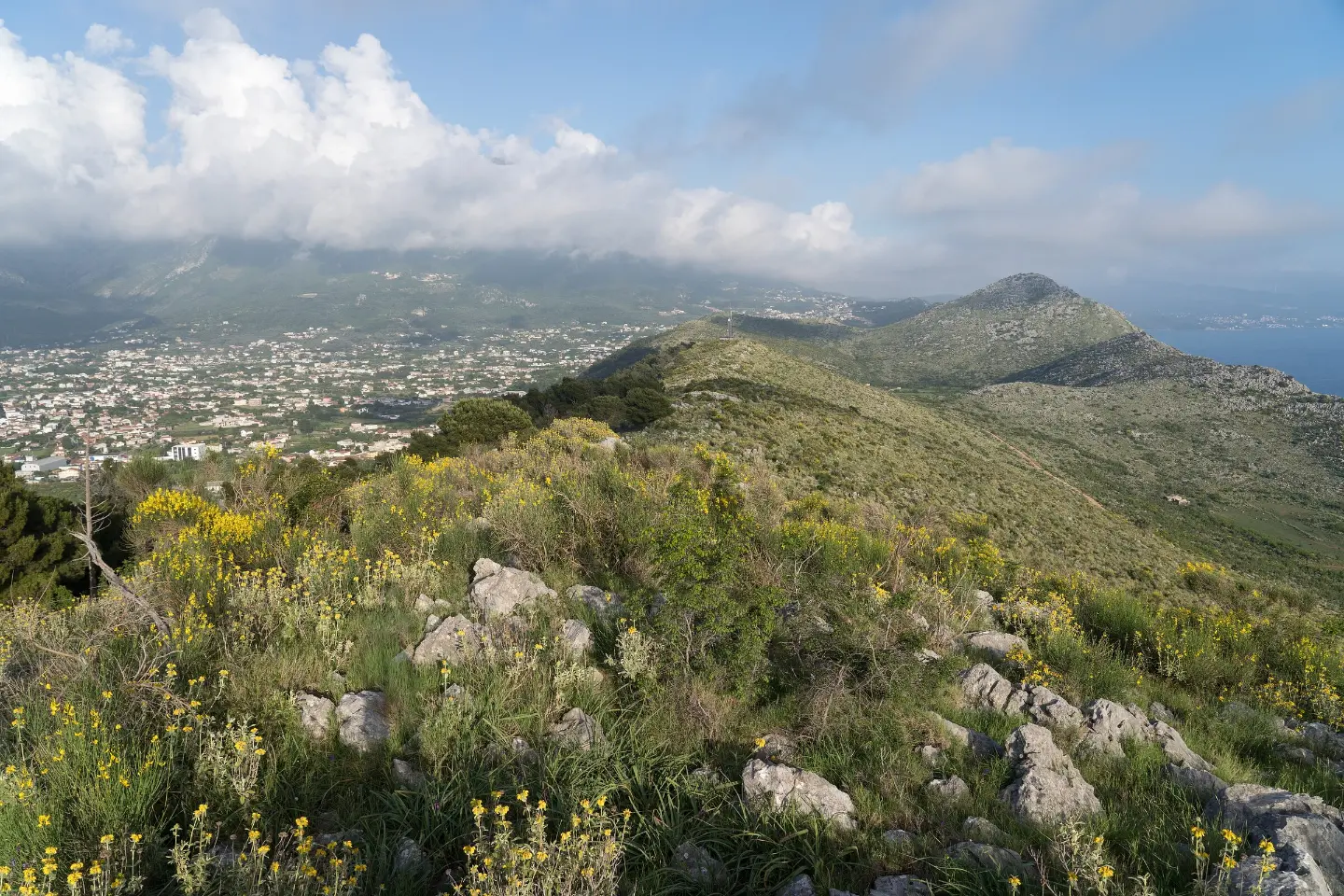
Near Bar there is a shallow reef suited to beginners and Mikovića cave on the south side of Volujica, near Bigovica bay. The entrance is at 7–8 metres, the cave is 150 metres long, and its left branch follows a steel guide line to the end, where fresh, cold water from a siphon forms a small lake. Off Bigovica there are amphora sites from the 3rd and 2nd centuries BC and an 18th-century sailing ship with two bow cannons, and deeper down lie Second World War aircraft, for technical divers only.
From the Blue Cave to the Tihany wreck
Stone walls, caves and tunnels, and wrecks lost in two world wars: Montenegro's seabed is best explored with a local dive centre.
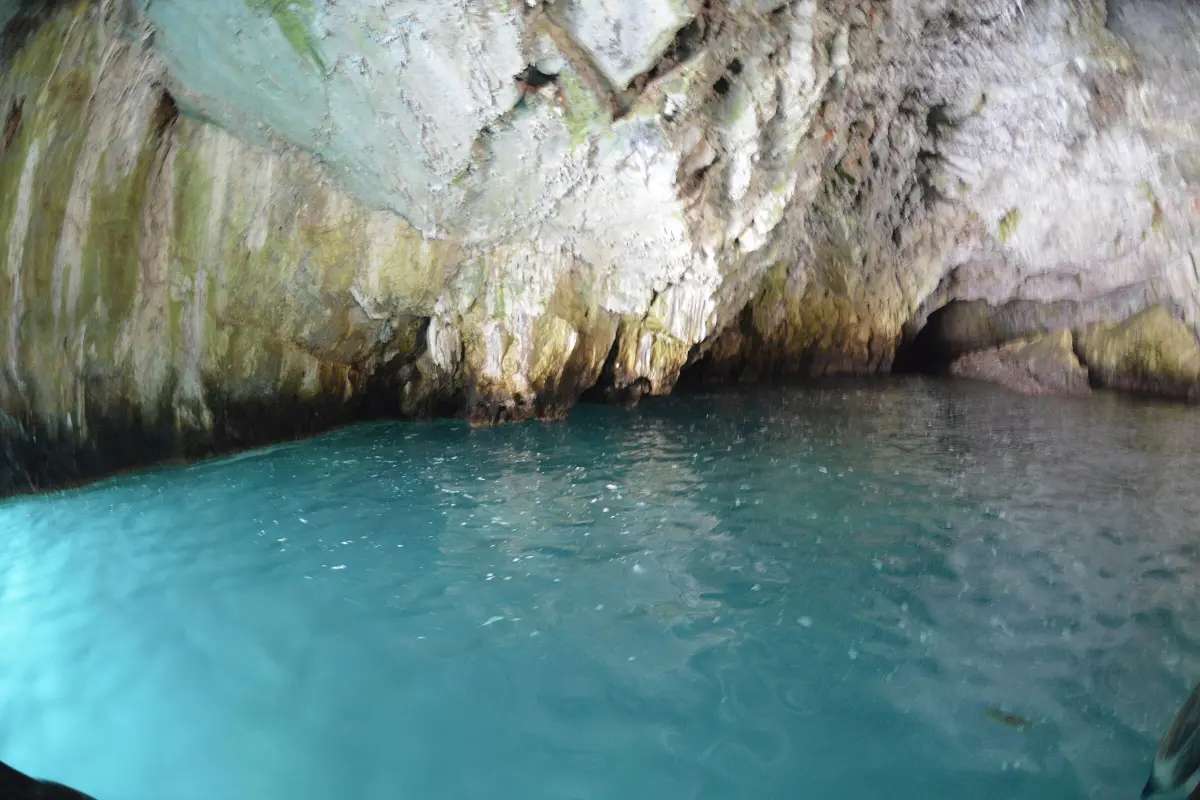
A sea cave between Zlatna luka bay and Cape Mokra gora, up to five metres deep, with bright blue water when the sun lights the seabed.
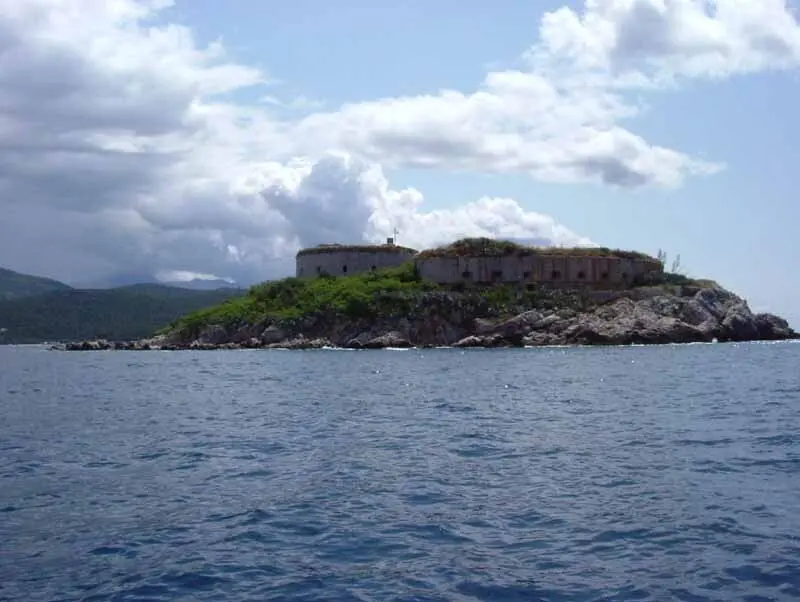
An Austro-Hungarian steamer from 1908 that sank off Mamula in 1917. It lies in one piece at 40 metres, for experienced divers.
Read more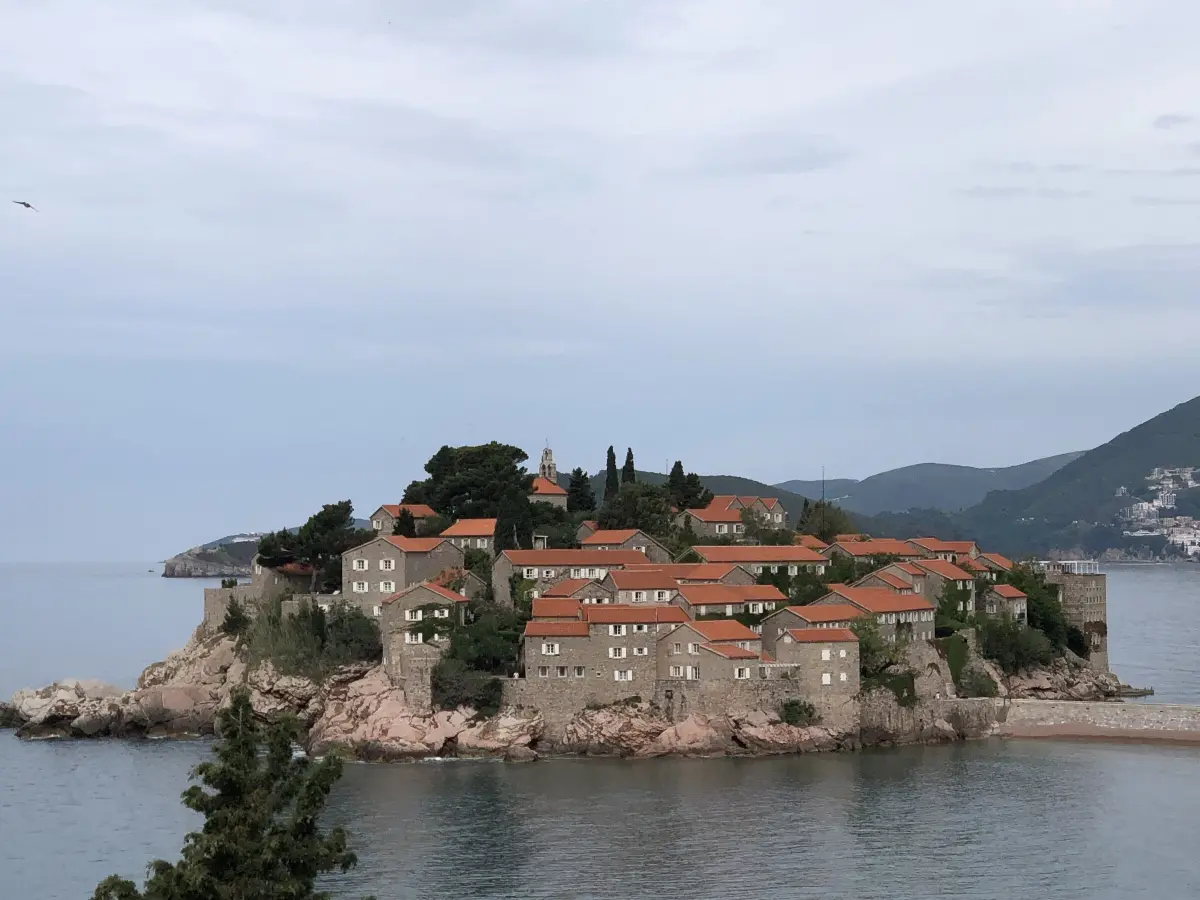
A wreck about 30 metres long on a sandy bottom at up to 24 metres, a popular first wreck dive.
Read more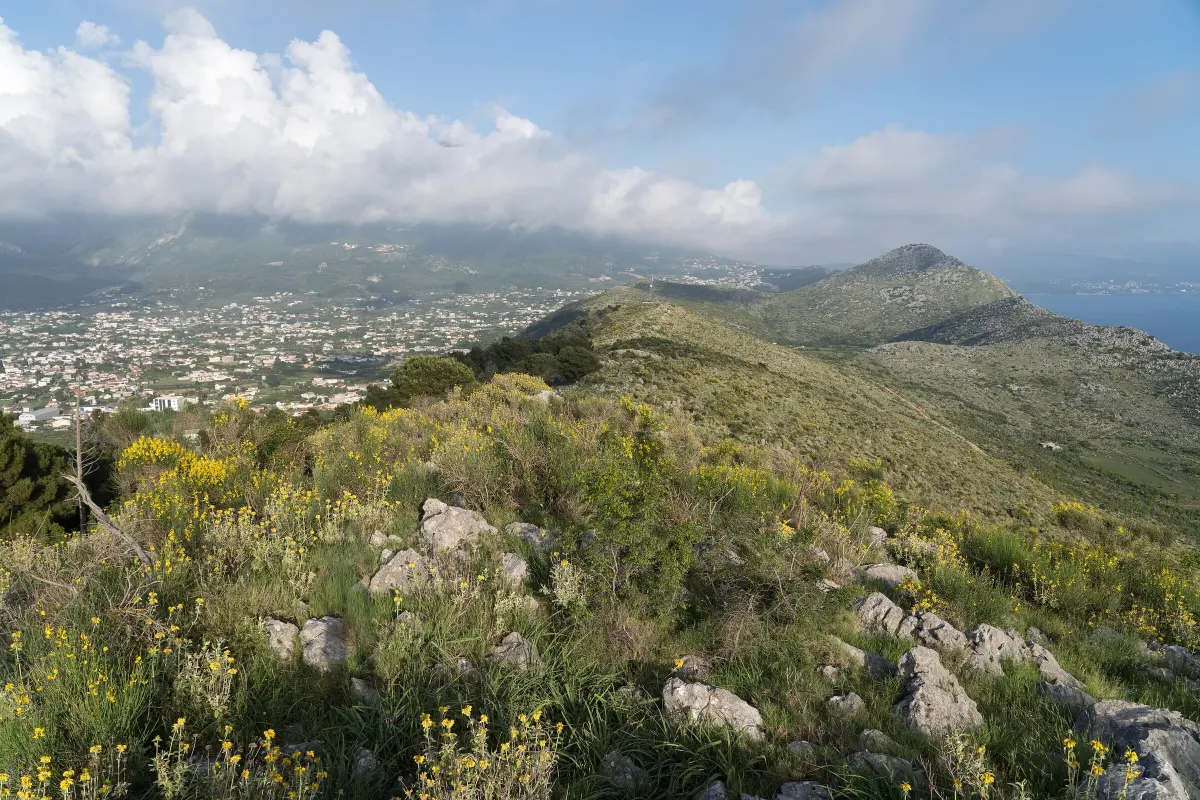
A 150-metre cave on the south side of Volujica, entered at 7–8 metres, with a small freshwater lake at the end.
Read moreHotel Maestral, Pržno (Sveti Stefan)
A PADI dive centre with programmes from Discover Scuba Diving to Divemaster and trips to the wrecks and caves of the Budva Riviera and Boka.
Slovenska obala, Budva
A PADI dive school: introductory dives, courses, guided boat dives and snorkelling, with at most four divers per guide.
Off Mamula island, mouth of the Bay of Kotor
A steamer from 1908 at 40 metres. The site is not marked, so dive only with a centre that sets a descent line.
Žanjice bay, Luštica
A Yugoslav Navy patrol boat from 1952 at up to 25 metres, for Open Water certified divers.
Sveti Stefan, Budva
A wreck about 30 metres long at up to 24 metres, with good visibility and weak currents.
Volujica, Bar
A 150-metre cave entered at 7–8 metres; the left branch is roomier and marked with a steel guide line.
For wrecks and deeper sites, centres ask for your card and logbook. The Tihany is for Advanced Open Water and Deep Diver divers.
Wrecks such as the Tihany have no buoy, so the centre sets a line for descent and ascent. Never dive alone.
At depth the water is 16 to 23 °C. Ask the centre which wetsuit it recommends for your dates.
In July and August book dives and courses a few days ahead.
Do not remove amphorae, wreck parts or marine life. Underwater sites are cultural heritage.
FAQ
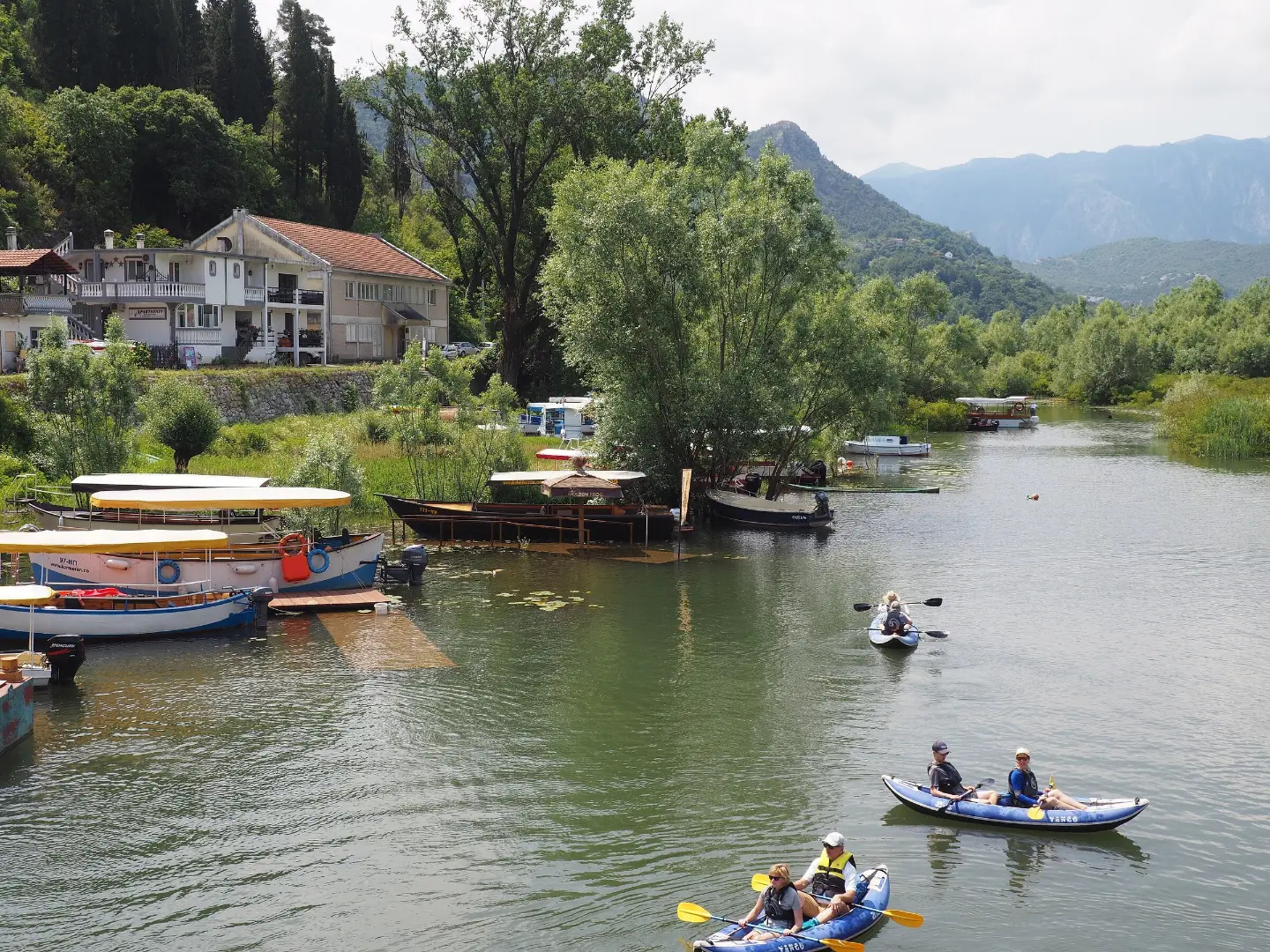
Where to kayak in Montenegro: the Bay of Kotor from Kotor to Perast, the Blue Cave on Luštica, Lake Skadar and Rijeka Crnojevića, and Lake Plav.
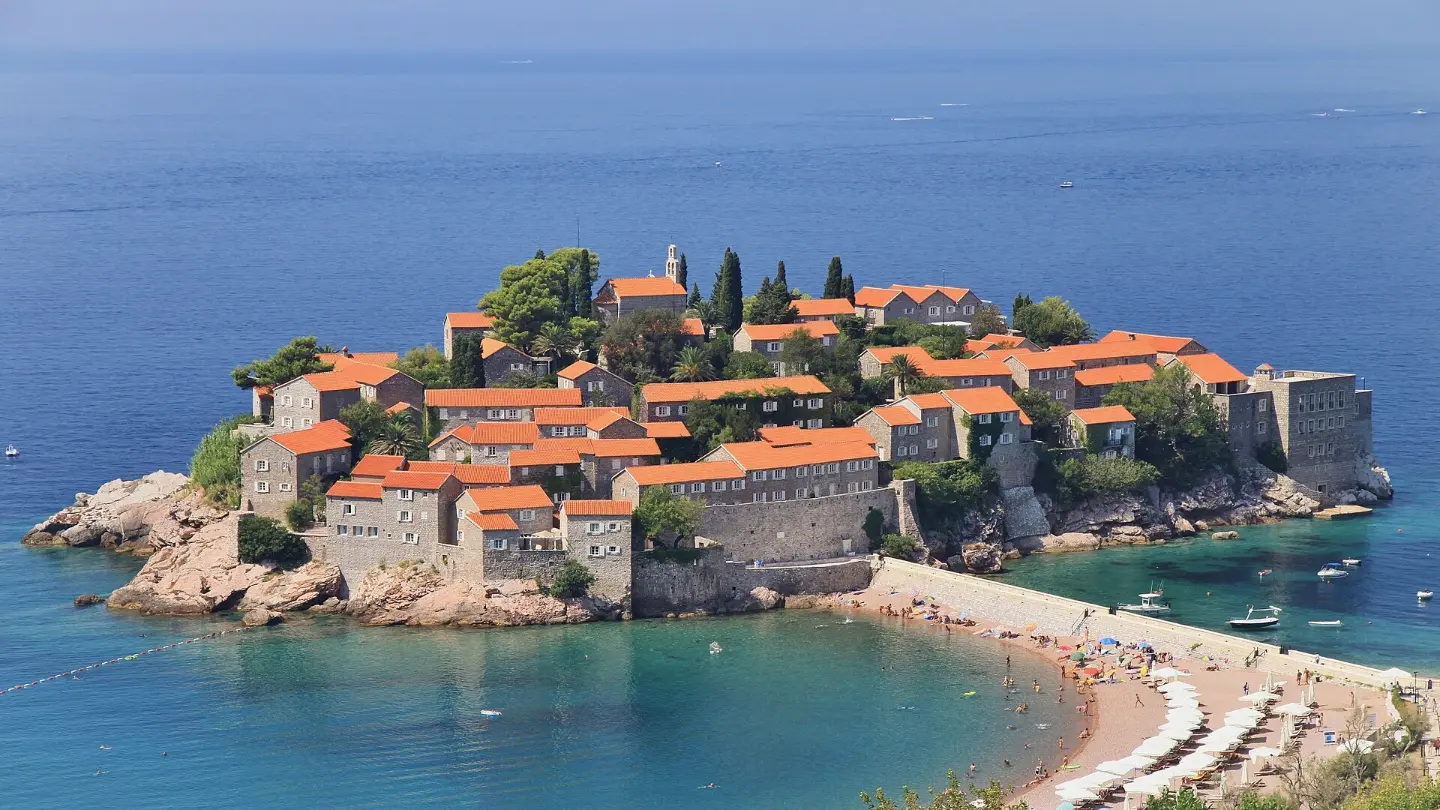
Our Lady of the Rocks and Sveti Đorđe off Perast, Mamula fortress, Sveti Nikola by Budva, Ada Bojana and the island monasteries of Lake Skadar: which islands to visit and how to get there.

About 294 km of coast: the UNESCO-listed Bay of Kotor, old towns from Kotor to Ulcinj, Sveti Stefan and the sandy beaches of the south.
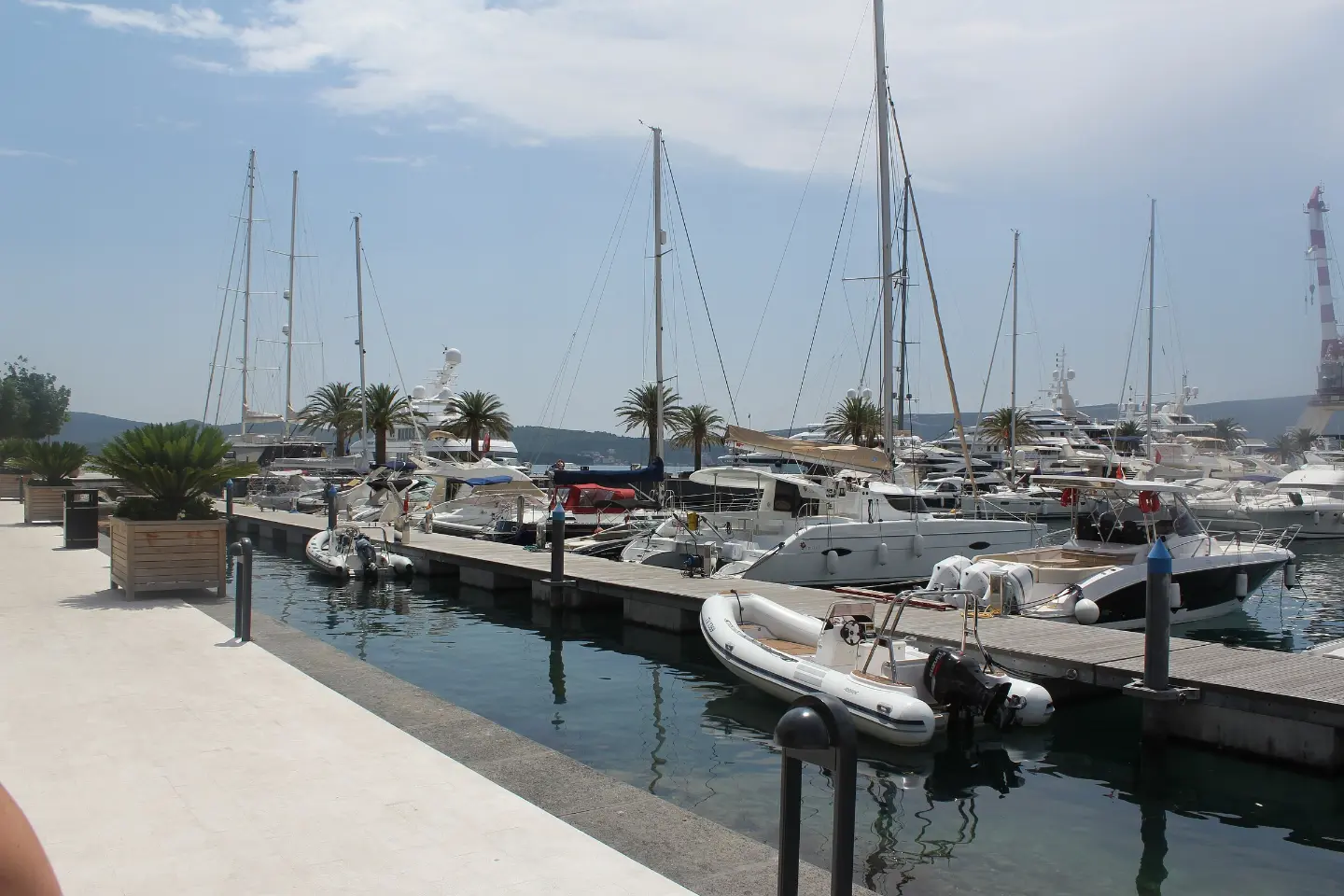
Sailing in Montenegro: routes through the Bay of Kotor and along the coast, marinas and ports of entry, the cruising permit, winds and the best time to sail.
Stay where the dive centres are and get to the wrecks and caves early.
A PADI dive school: introductory dives, courses, guided boat dives and snorkelling, with at most four divers per guide.
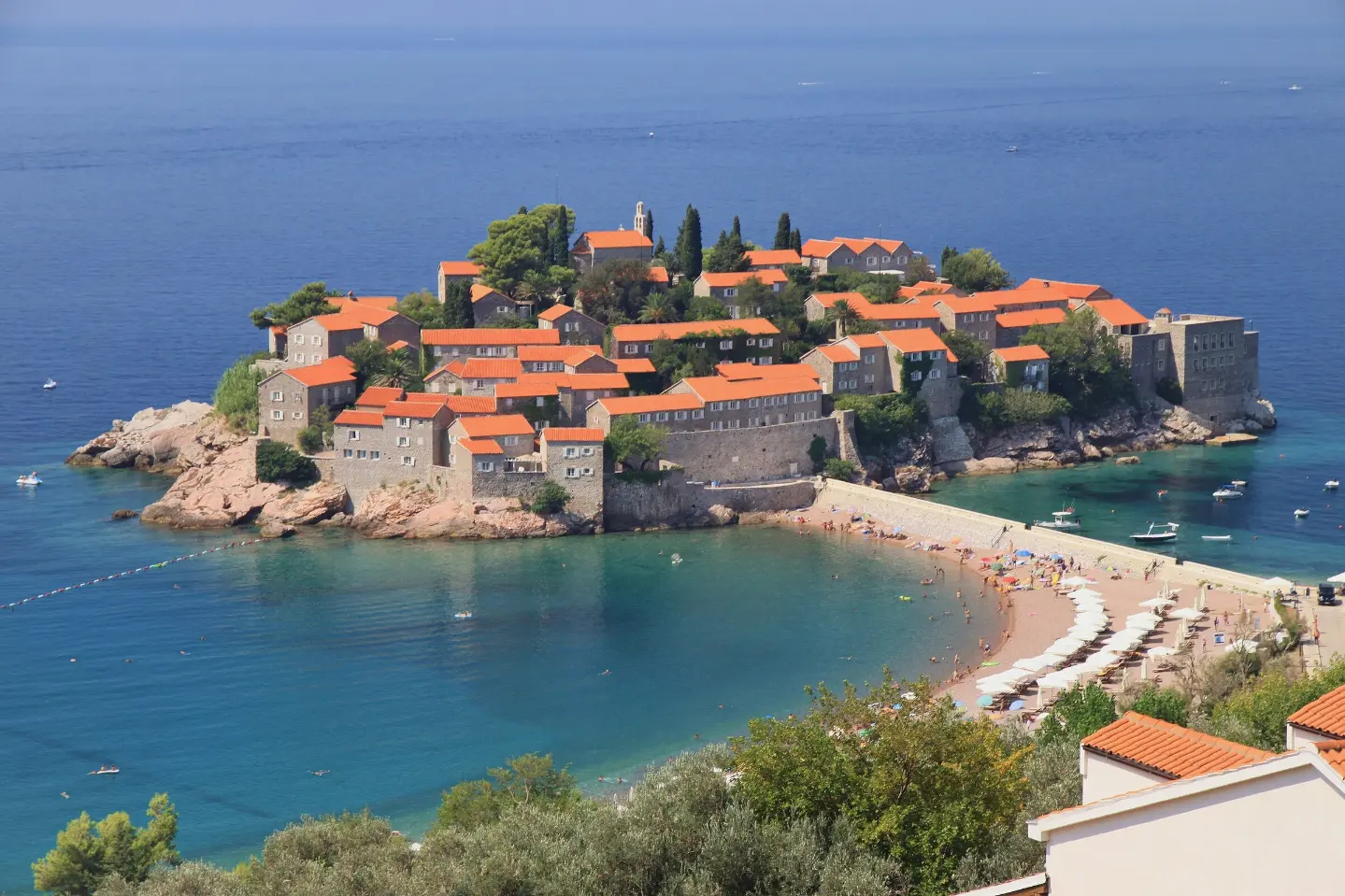
A wreck about 30 metres long at up to 24 metres, with good visibility and weak currents.

A 150-metre cave entered at 7–8 metres; the left branch is roomier and marked with a steel guide line.
Dive gear is heavy – a transfer or a car with a big boot makes it easy.