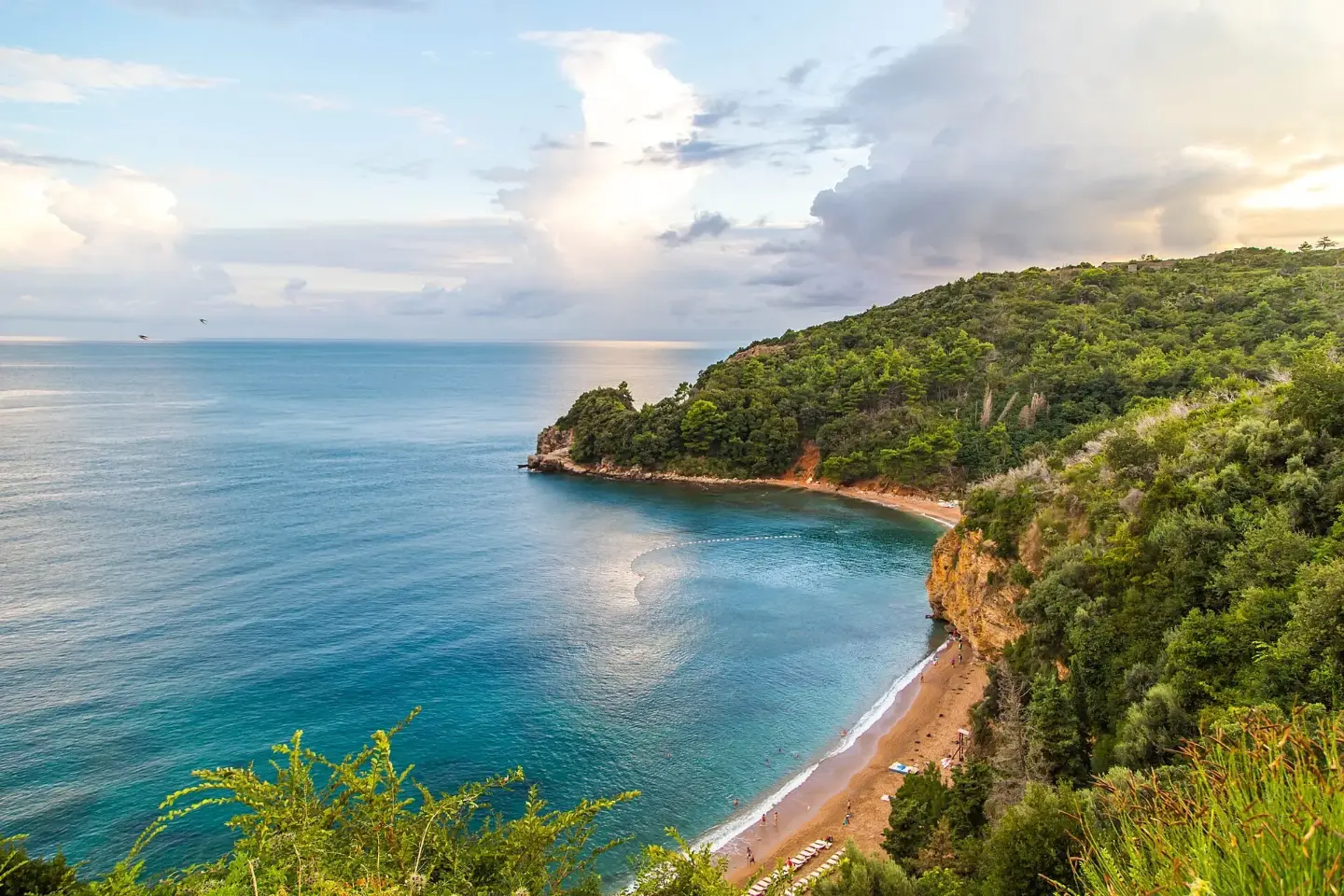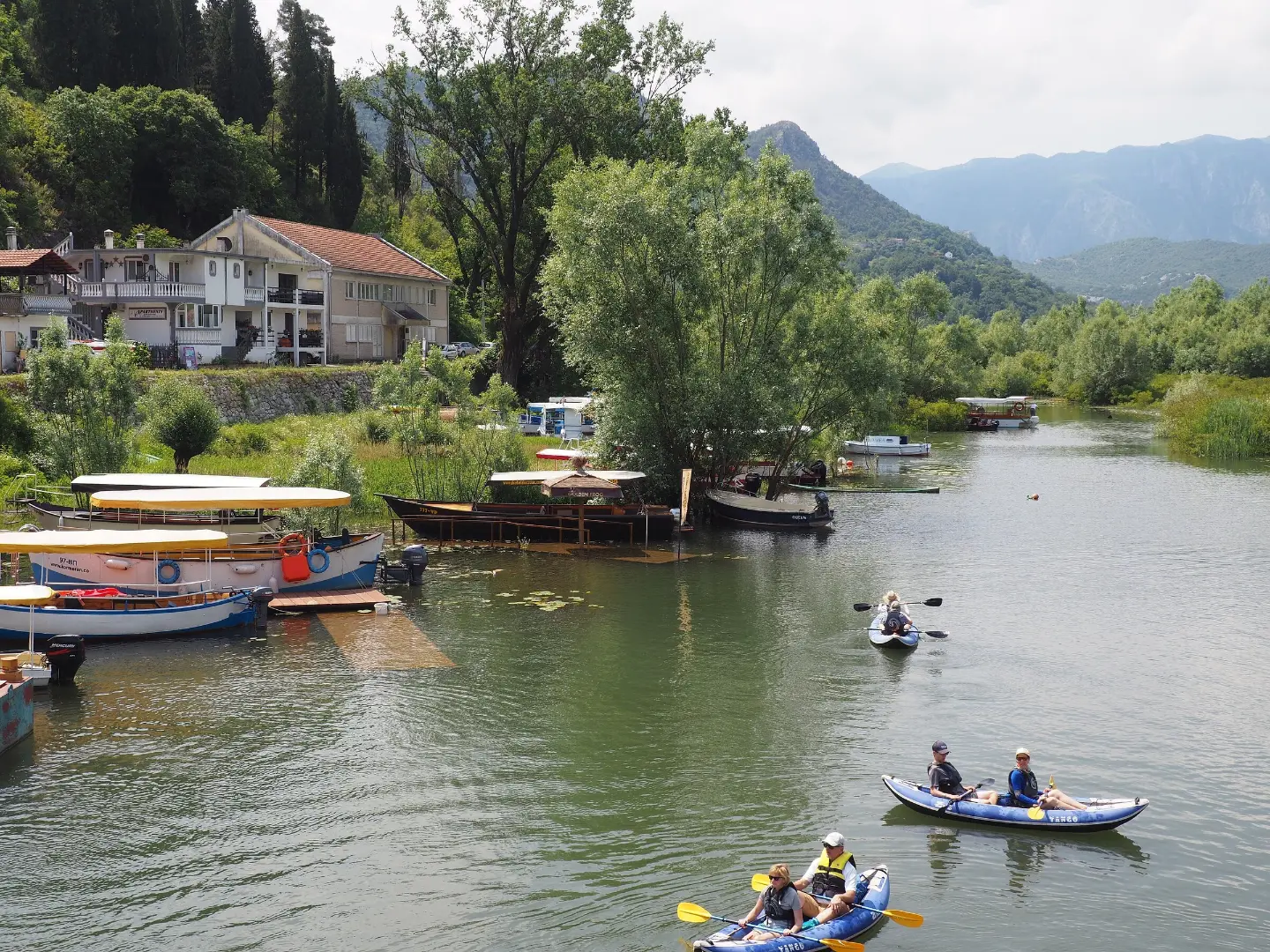
Kayaking in Montenegro is at its best on calm water. The Bay of Kotor is sheltered by the Orjen and Lovćen mountains, so you can paddle along the shore at Kotor, Perast and Tivat without much experience. On Lake Skadar, a national park since 1983, the kayak glides through channels between water lilies to Rijeka Crnojevića. In the north, Lake Plav offers paddling beneath the Prokletije, while the Morača and Cijevna rivers are for experienced paddlers.
Where to kayak in Montenegro: the Bay of Kotor from Kotor to Perast, the Blue Cave on Luštica, Lake Skadar and Rijeka Crnojevića, and Lake Plav.
A bay beneath the mountains
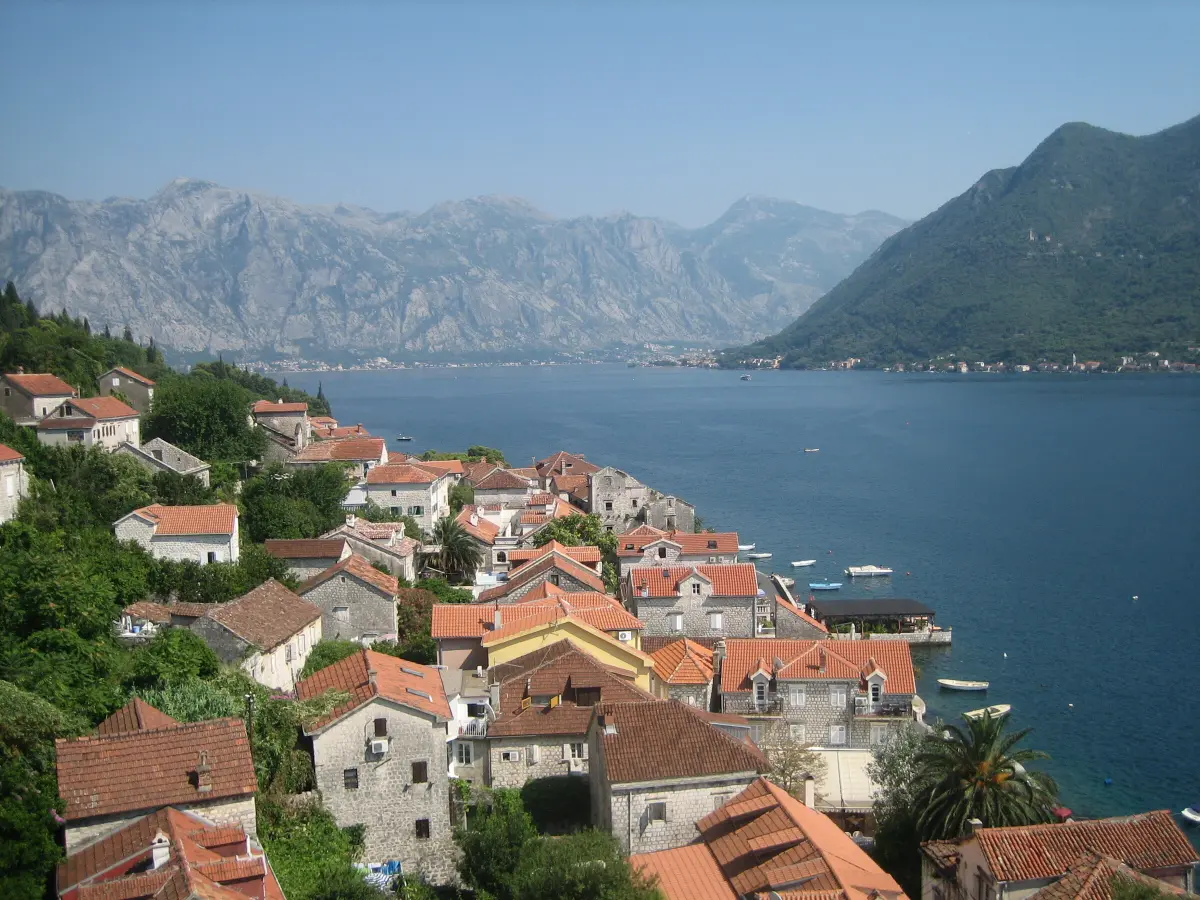
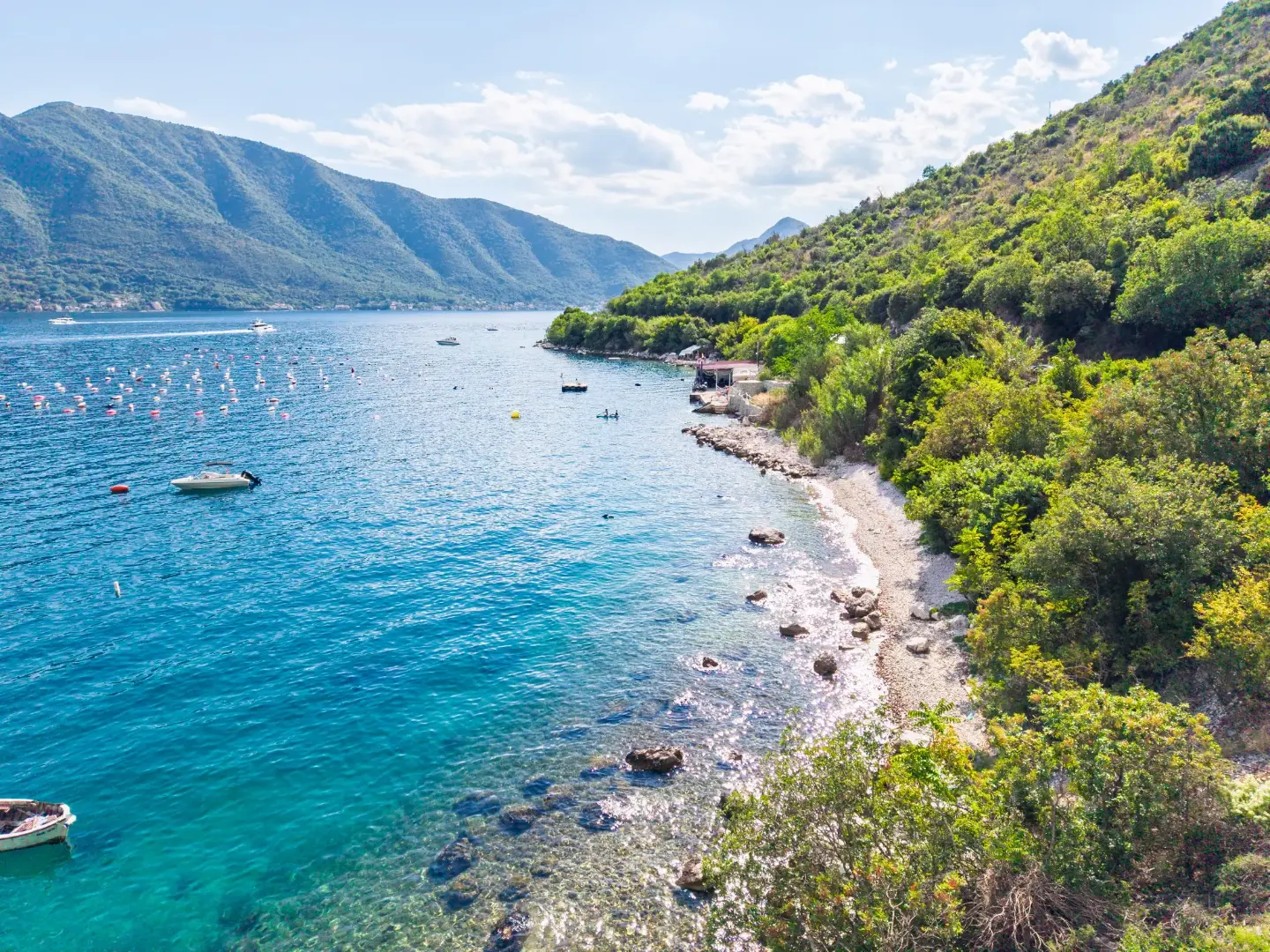
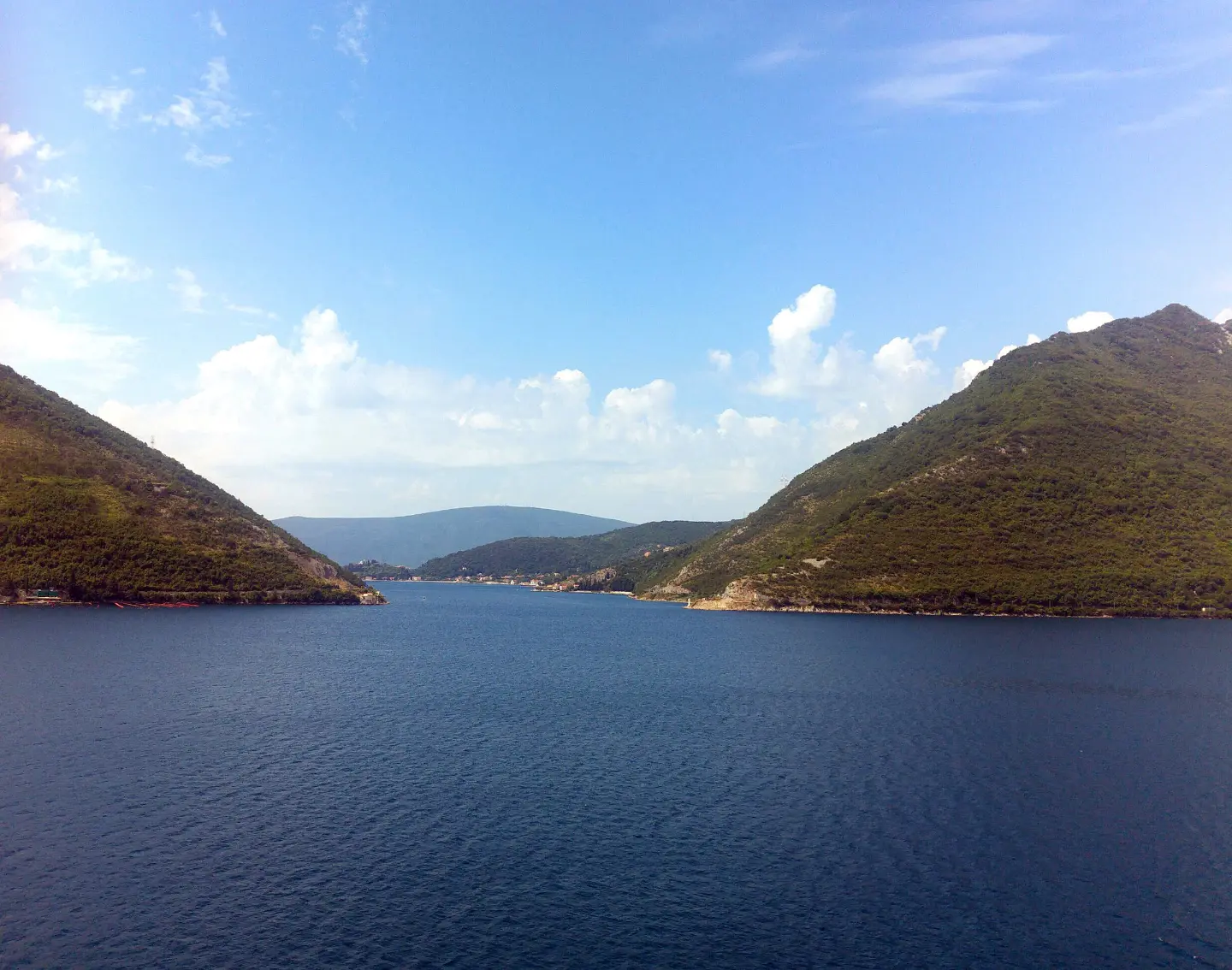
The Bay of Kotor is Montenegro's best-known place to kayak. It covers 87.3 km² with about 105 kilometres of shoreline, and the Orjen and Lovćen mountains shelter it on every side, so the water is usually calm even in summer. Boka is often called a fjord, but it is not one: it formed when the sea flooded an old river valley, not a glacial one.
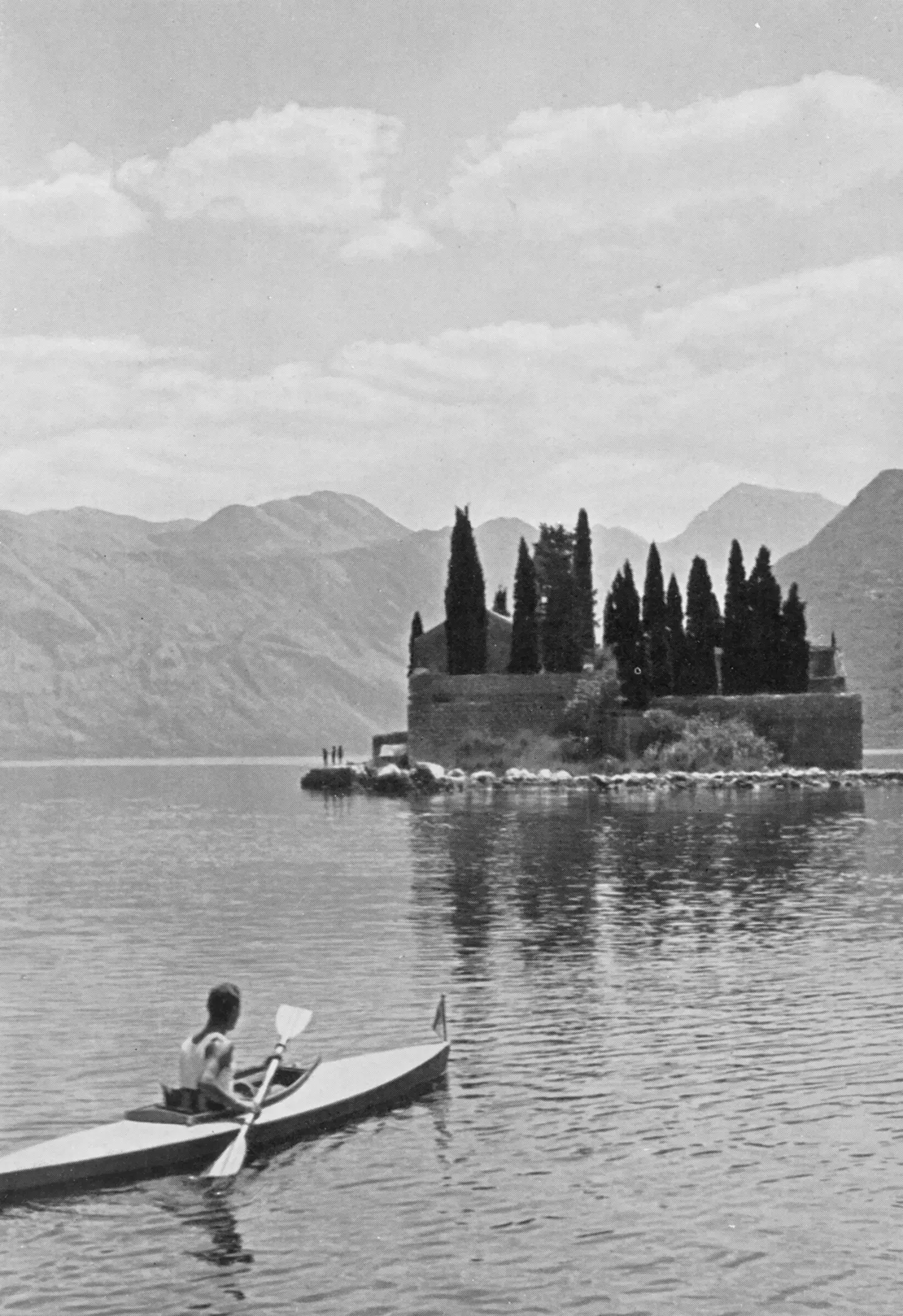
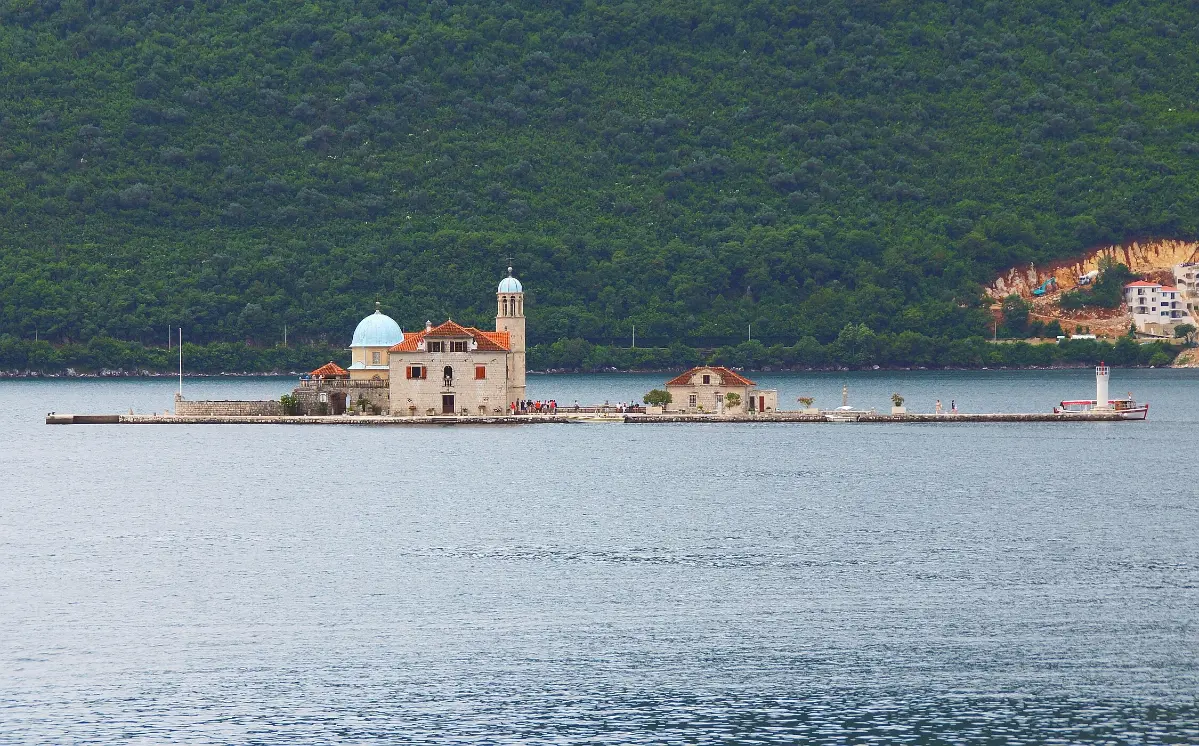
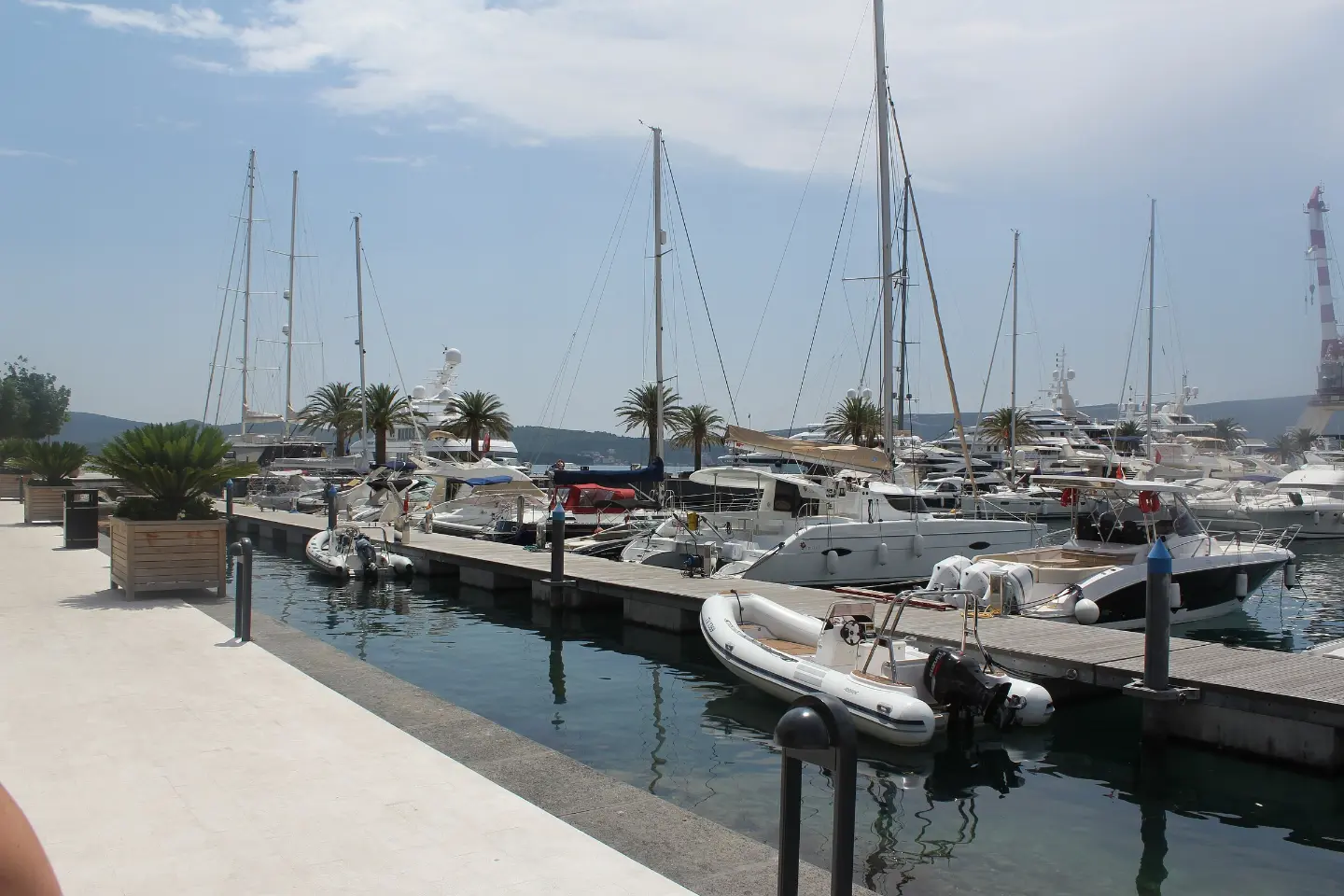
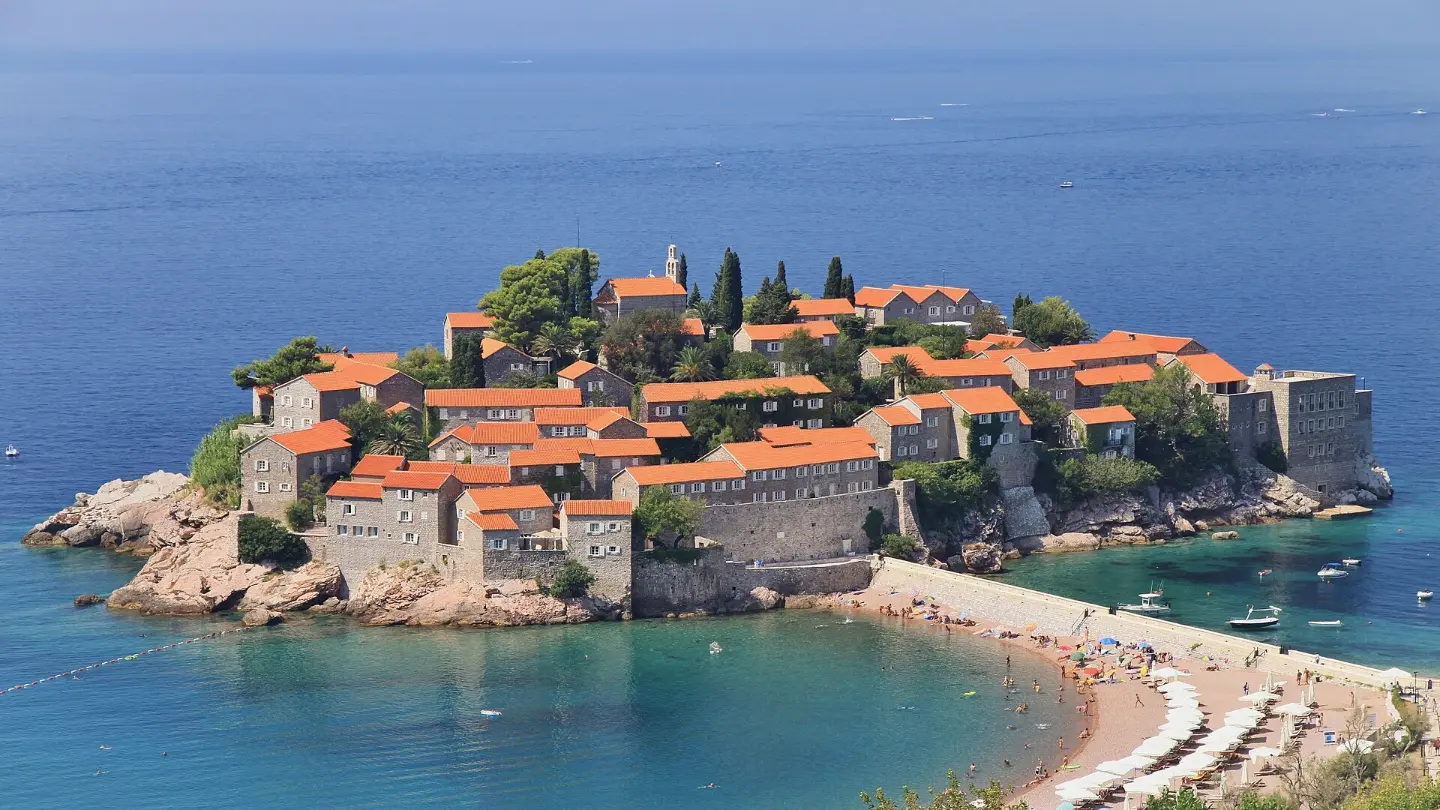
From Kotor you can paddle past the old captains' houses of Dobrota or towards Muo and Prčanj. From Perast it is a short paddle to the two islands in front of the village, Our Lady of the Rocks (Gospa od Škrpjela) and St George (Sveti Đorđe). The Bay of Tivat is wider and more open, and the Tivat tourist board recommends the shoulder seasons for kayaking, when there is little traffic on the water.
Along the open coast
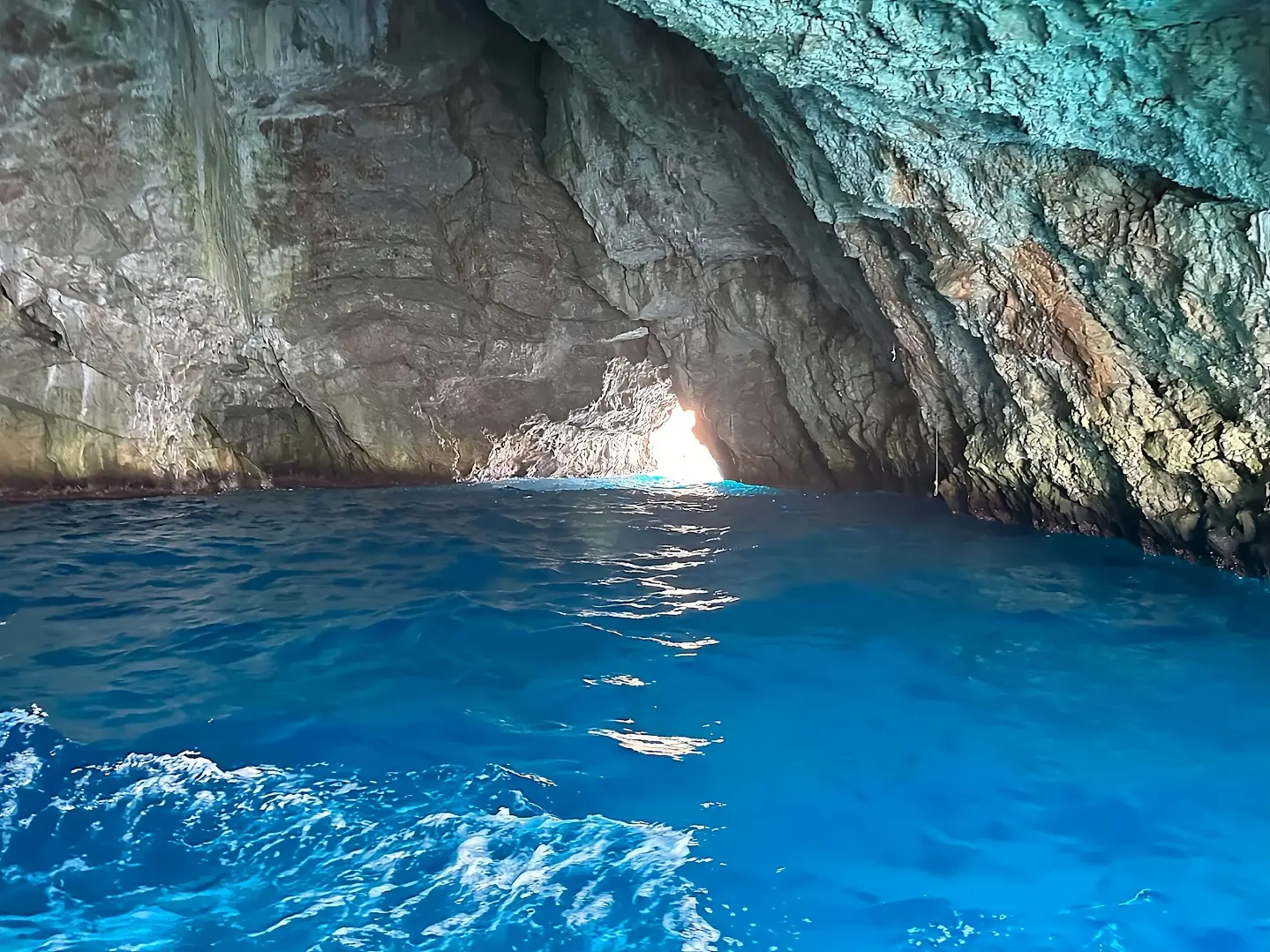
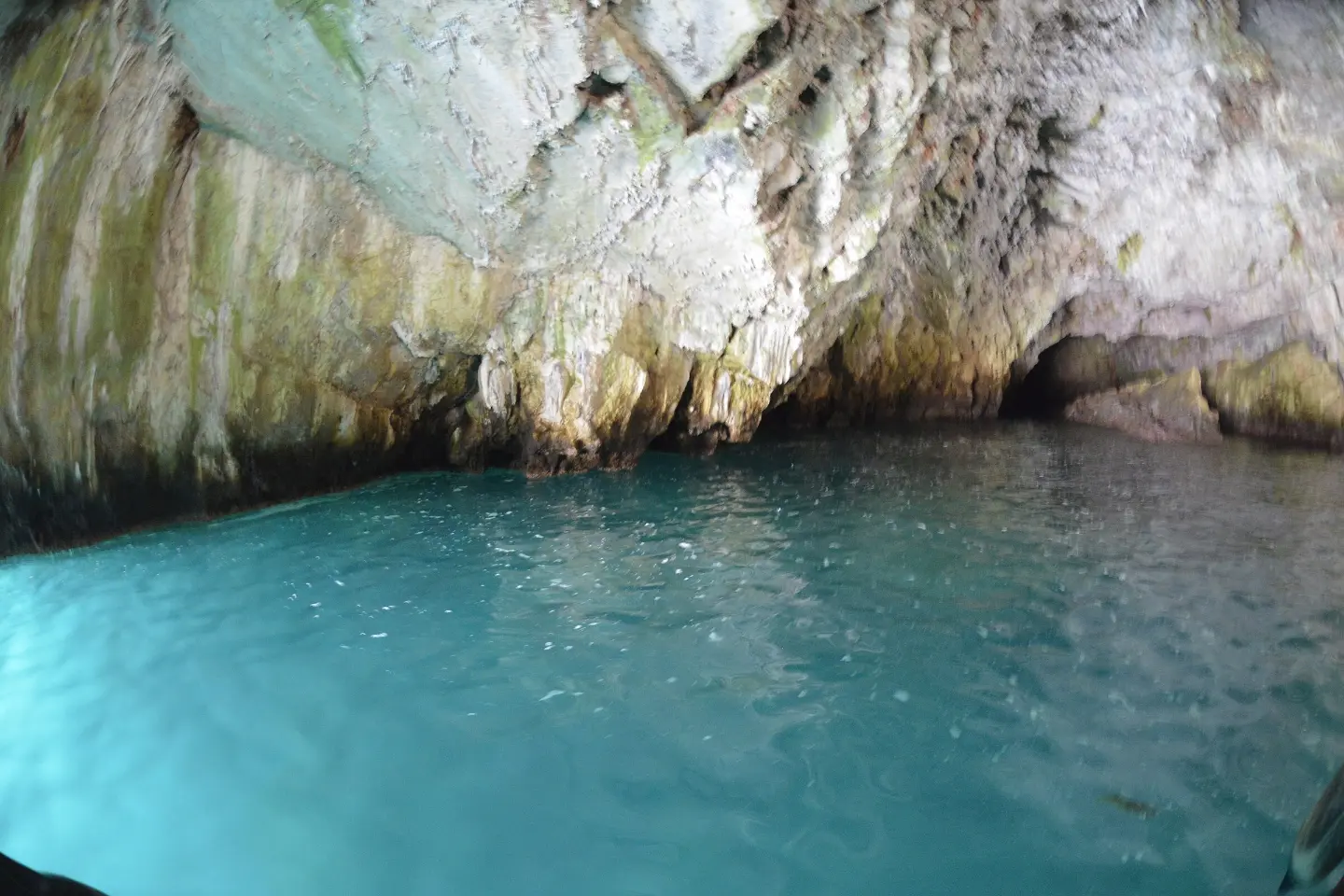
Kayaks can also be hired in Herceg Novi, Budva, Bar and Ulcinj. On the Luštica peninsula, between Zlatna luka bay and Cape Mokra gora, lies the Blue Cave (Plava špilja), a sea cave where the water glows blue when the sun lights the seabed. Most visitors arrive by excursion boat, but you can also paddle there. On the open sea, waves and wind change conditions faster than inside the bay, so it is better to go with a guide.
Did you know?
As early as 1932 the German paddler Ottomar Krupski paddled a folding kayak down the rapids of the upper Tara and on the waters of Boka, and published a photo of his kayak in front of St George island in his book “Vom Triglav zur Adria”.
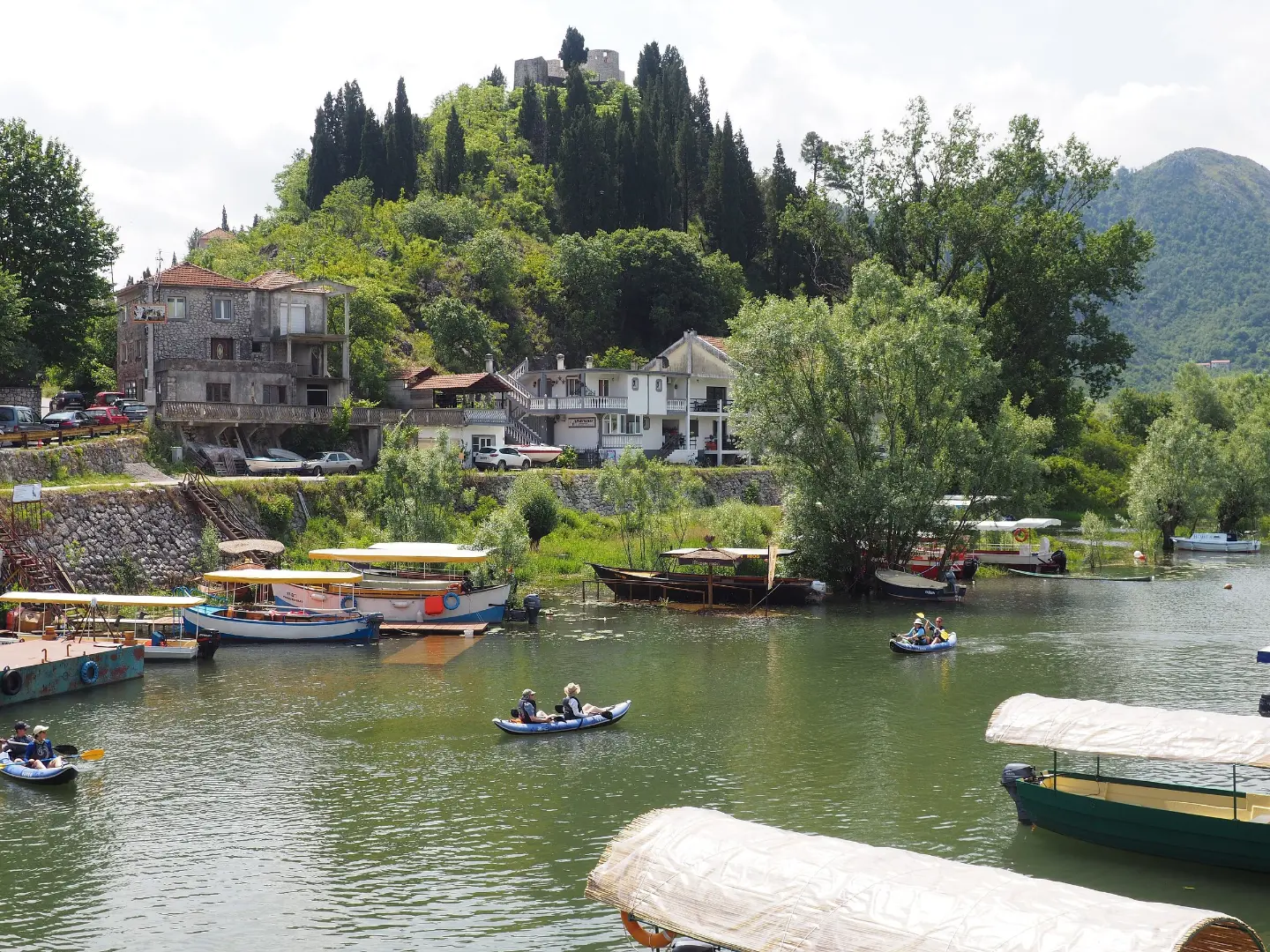
Lake Skadar and Rijeka Crnojevića
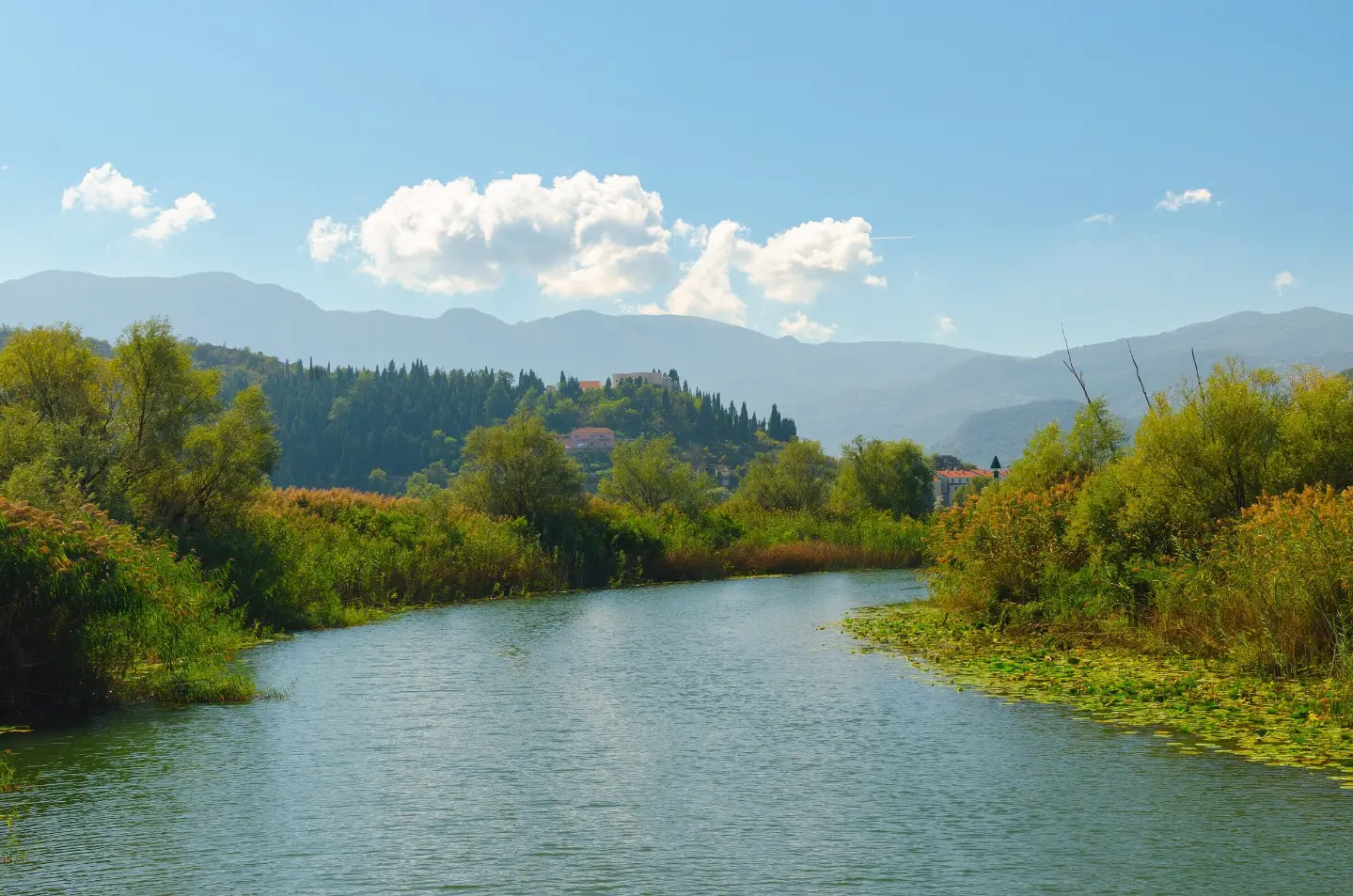
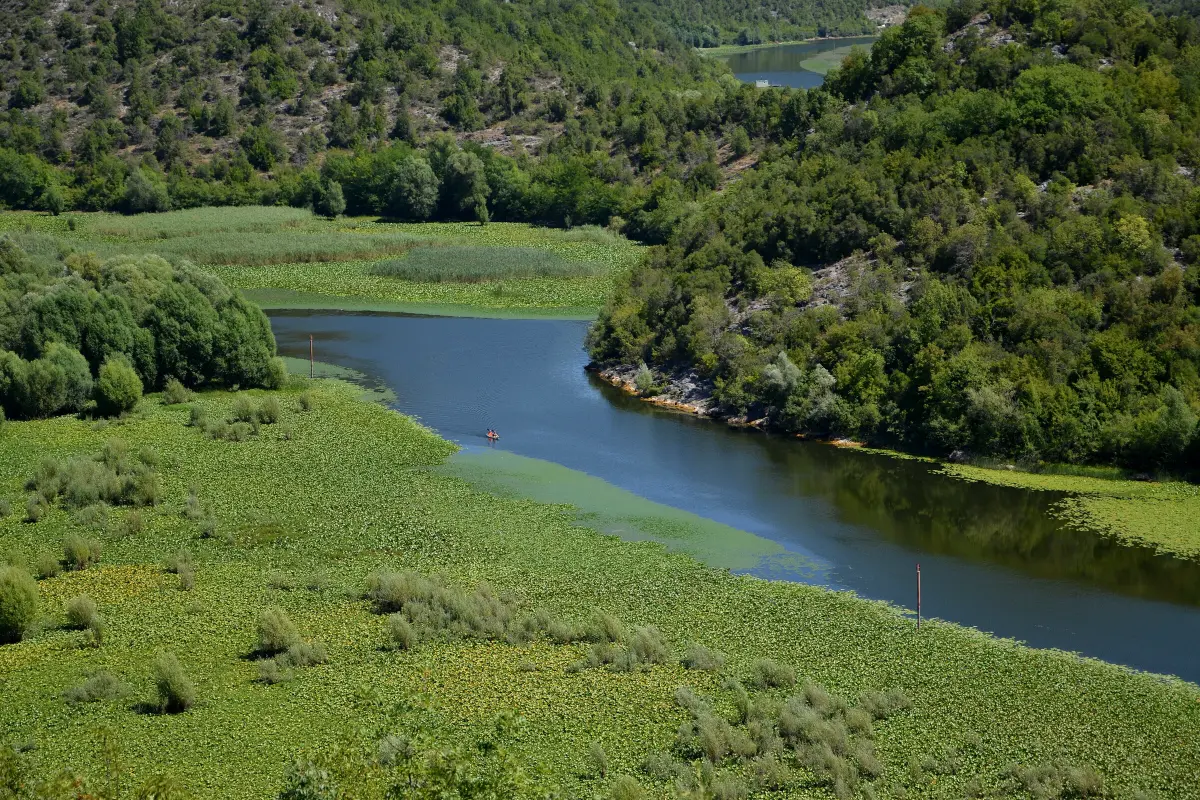
Lake Skadar is only five metres deep on average and in summer is covered with fields of water lilies. By kayak you can follow channels through the lilies and reeds to places larger boats cannot reach. The lake is an area of international importance for birds, home to about 280 species, including the rare Dalmatian pelican.
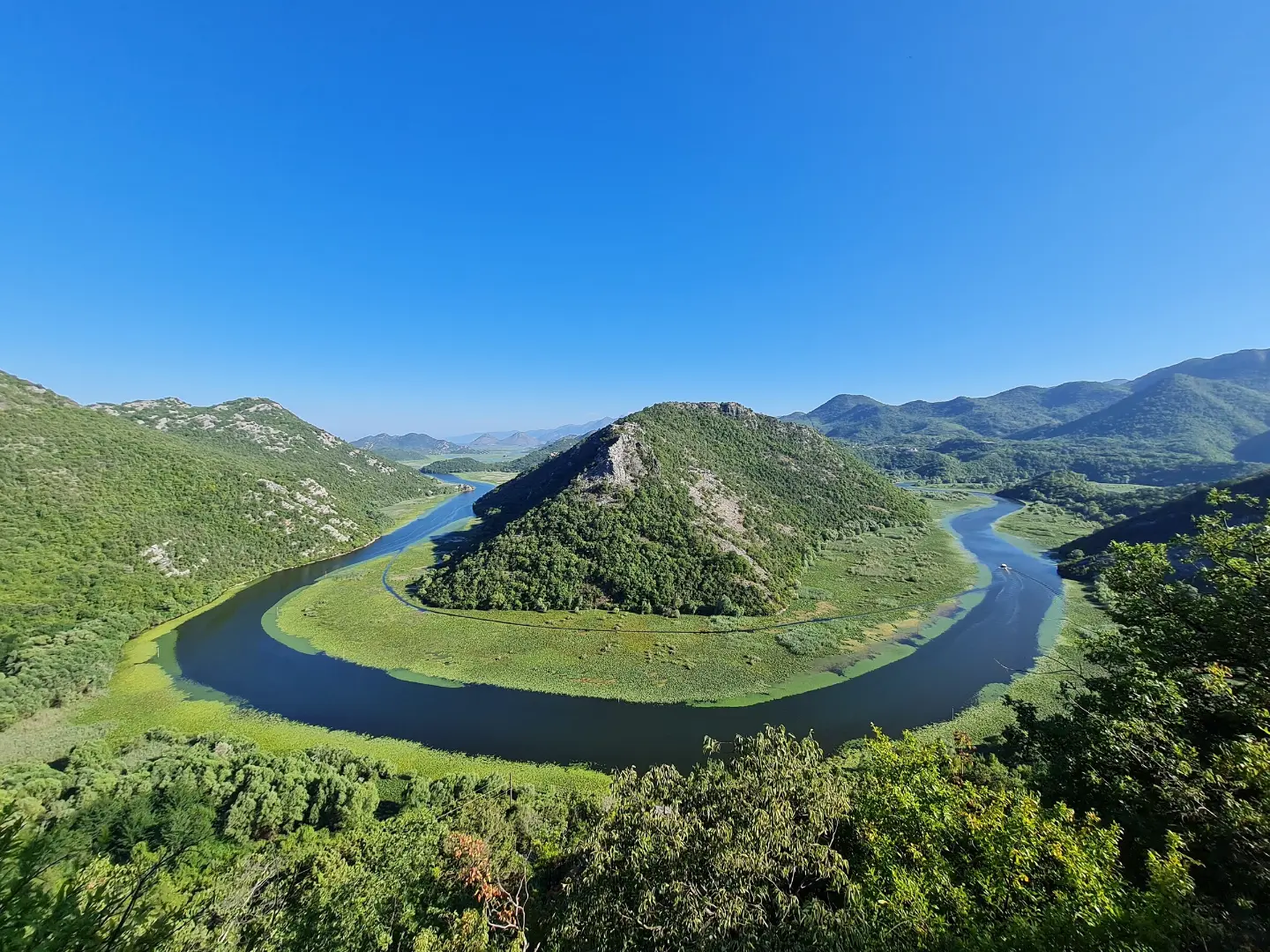
The finest route leads to Rijeka Crnojevića, an old trading village with a stone bridge, through the meander seen from above at the Pavlova strana viewpoint. The calm water suits beginners and gives experienced paddlers a full day on the water. Kayak hire price lists are published by the National Parks of Montenegro.
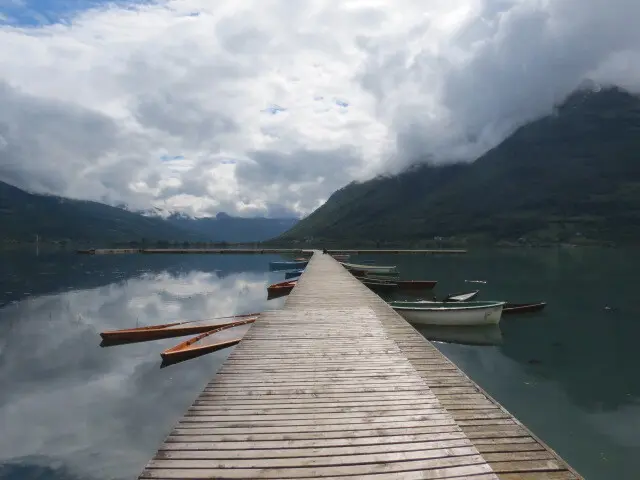
Rivers and mountain lakes
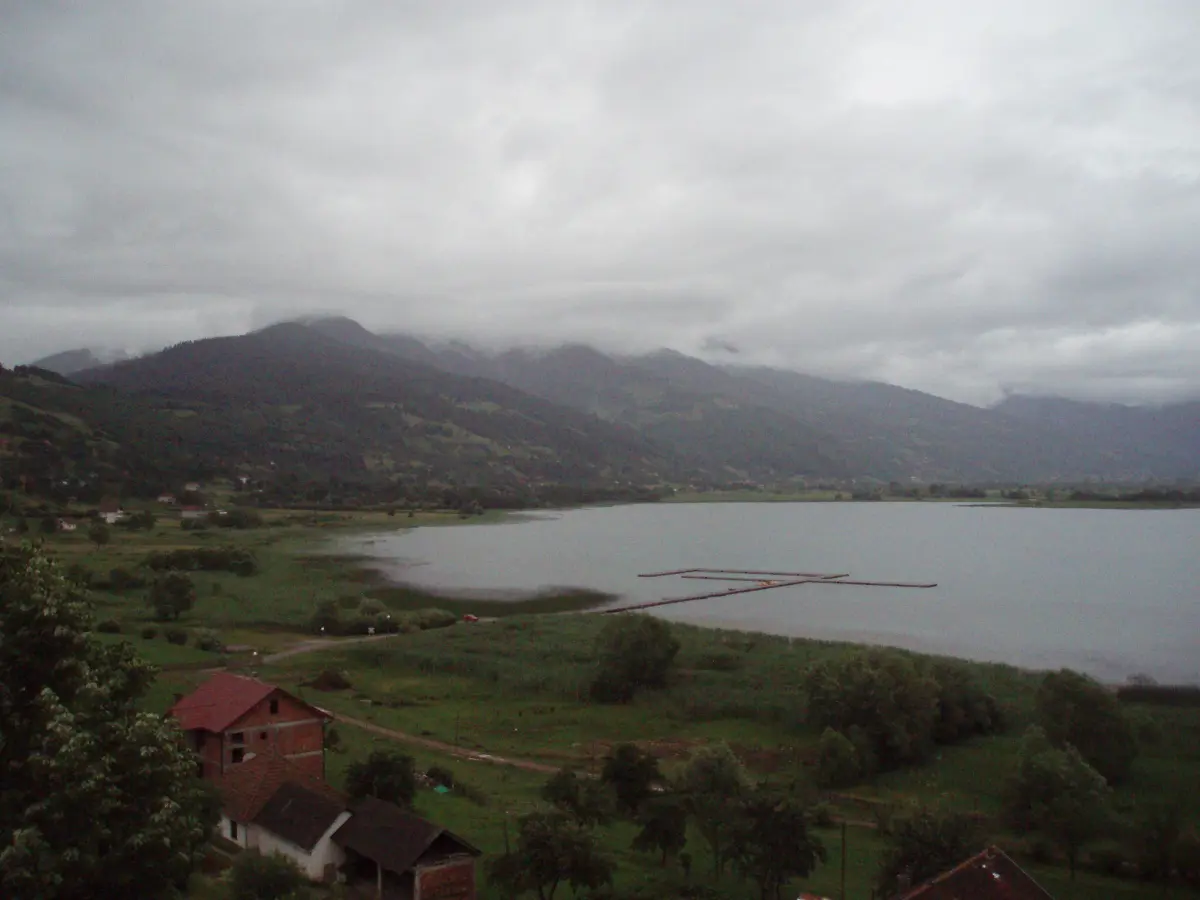
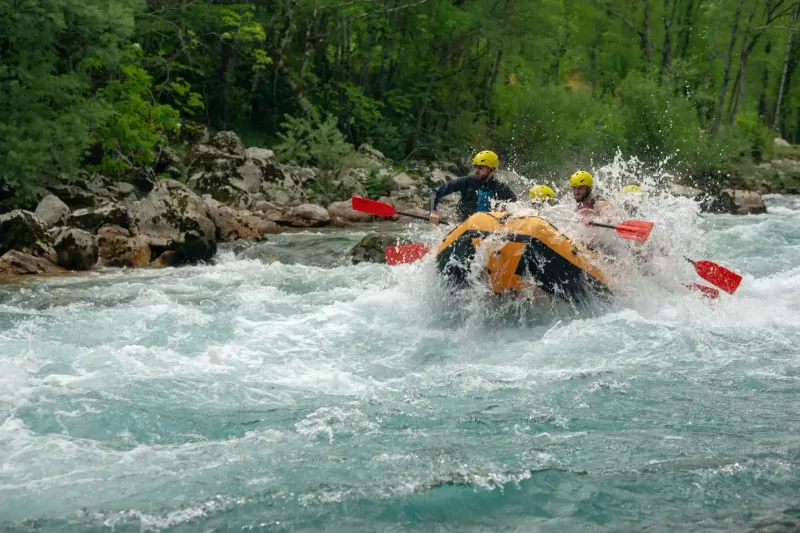
In the north, on Lake Plav at 907 metres above sea level, kayaks, pedal boats and rowing boats are hired from a pontoon on the shore. Kayaks are also used on Lake Piva near Plužine. Near Podgorica people paddle the Morača and Cijevna; the Morača is suitable for packrafts, inflatable kayaks, only in April, May and June, while there is enough water. The Tara canyon is rafting country rather than a place for recreational kayaking.