Culture
Museum Tour
Explore the five museum institutions of the National Museum of Montenegro in the city centre.
The Capital That Defines a Nation
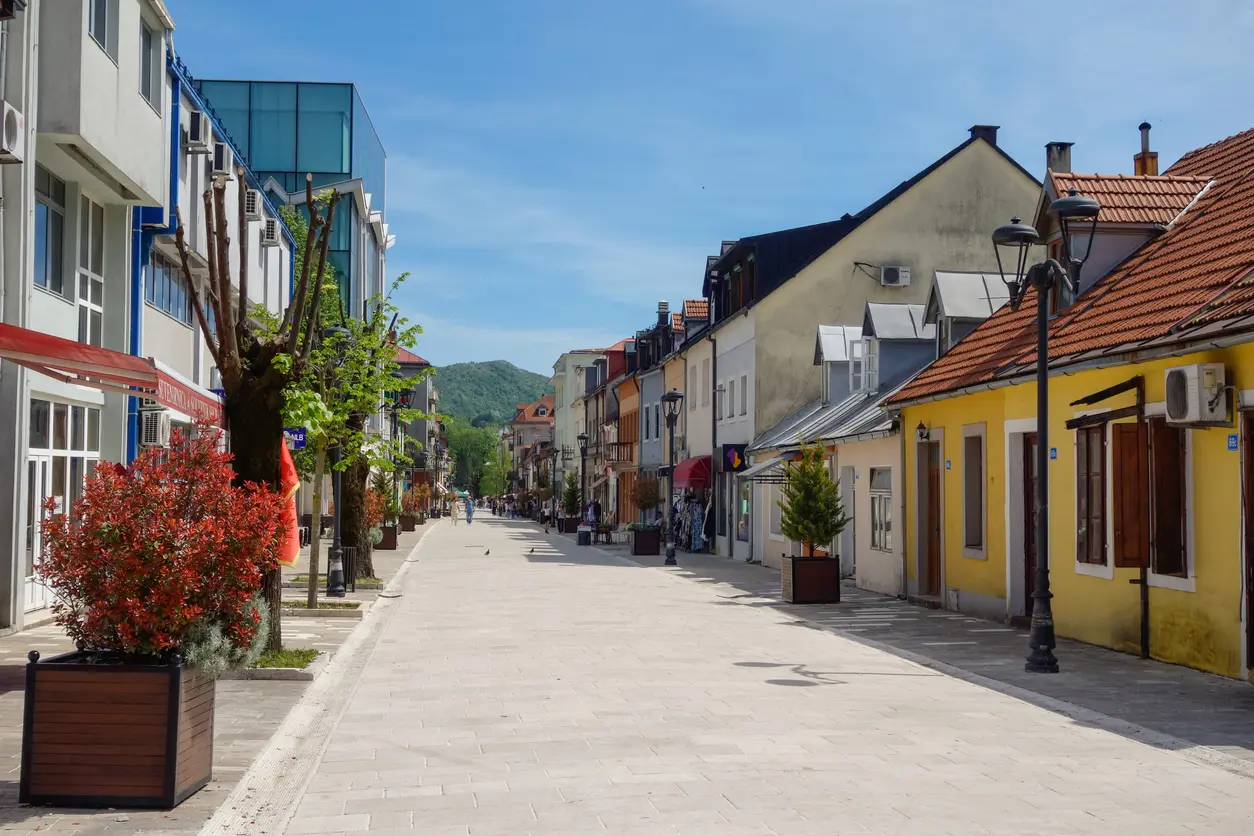
Cetinje is the old royal capital of Montenegro, a city that carries the entire history of a small but proud nation.
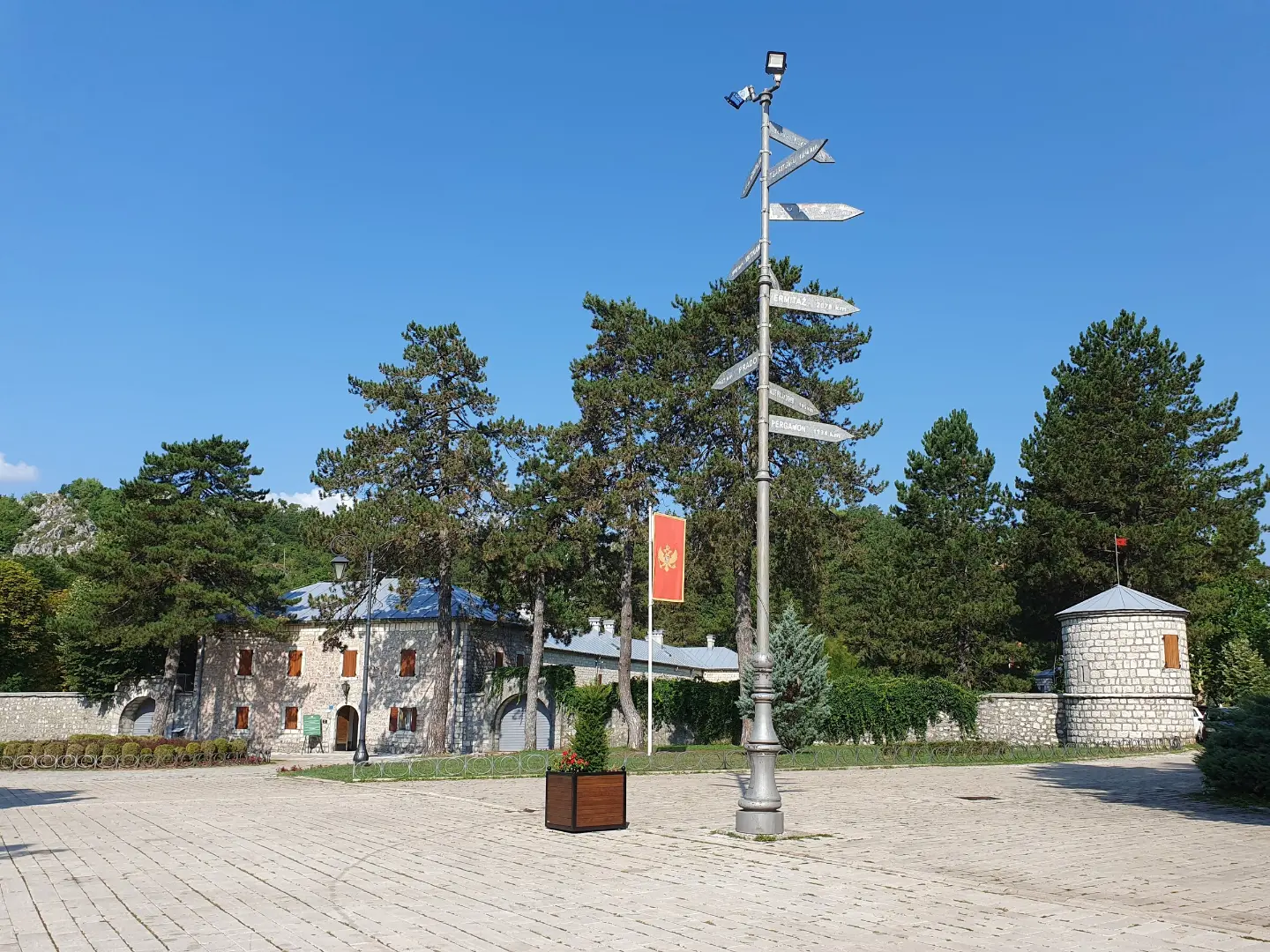
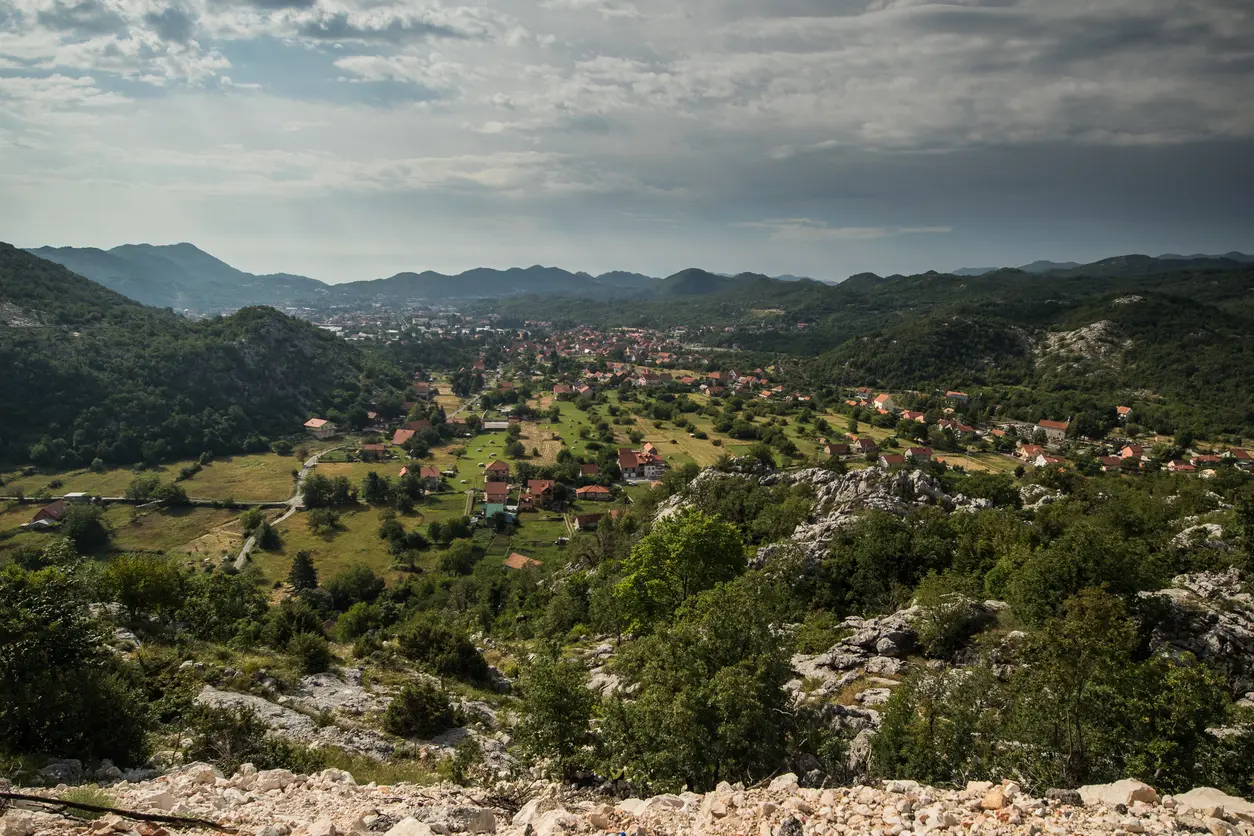
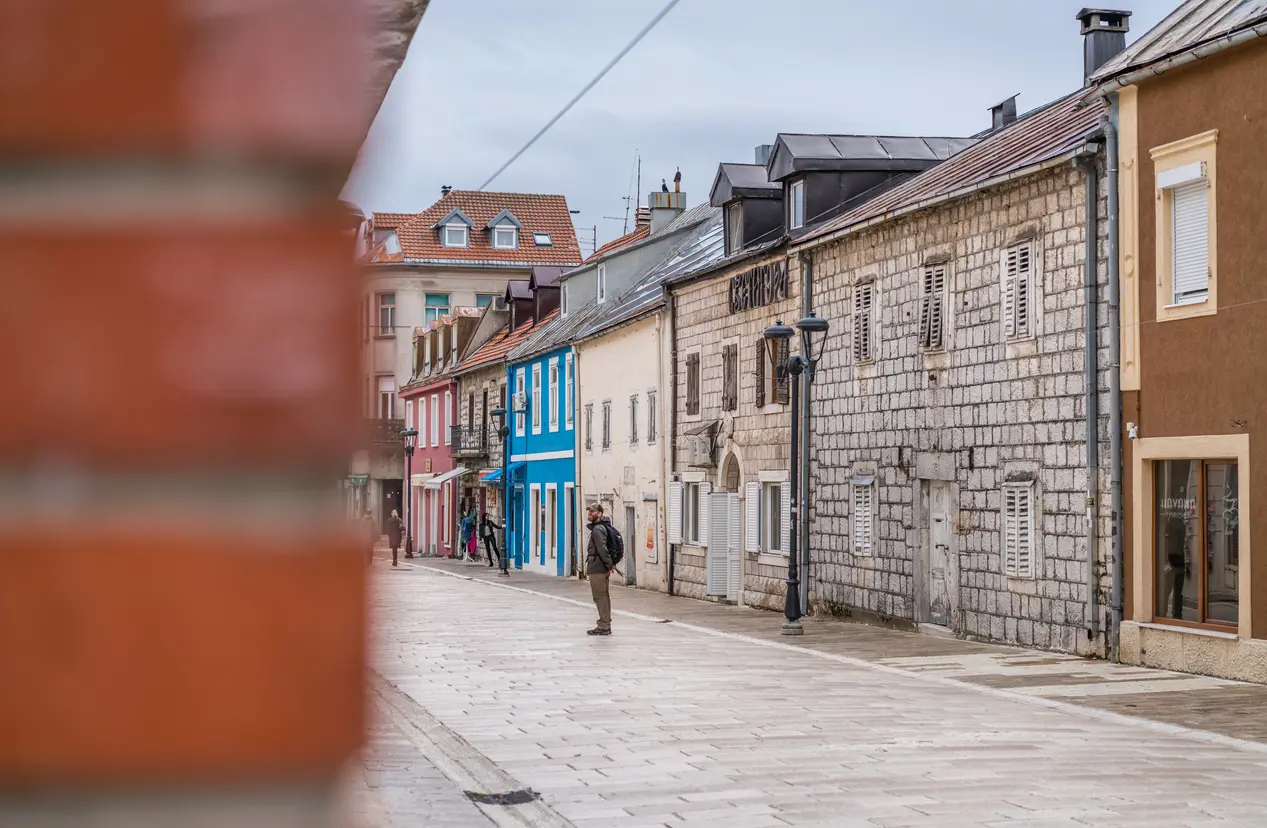
Nestled on a karst plateau at the foot of Lovćen, at 672 m above sea level, the city exudes a special atmosphere — a blend of aristocratic heritage and the quiet, authentic Montenegrin way of life. Visitors can explore the National Museum of Montenegro complex with five museum institutions, Cetinje Monastery which preserves the relics of saints, and palaces and former embassies that bear witness to the golden age of the royal capital. Cetinje is an ideal destination for history lovers, culture enthusiasts, and those drawn to mountain nature — close enough to the coast to fit into a broader itinerary.
Highlights
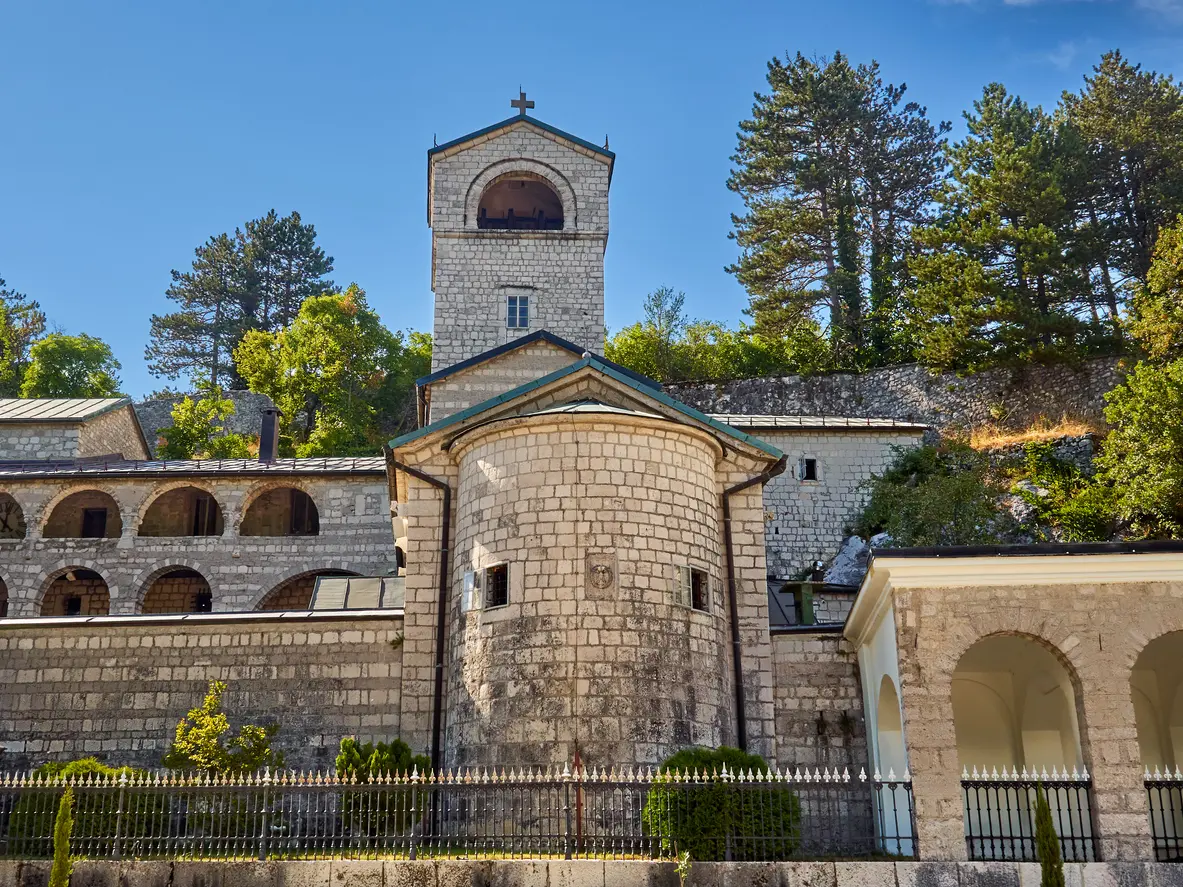
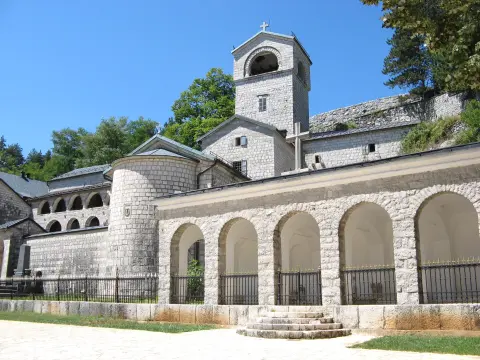
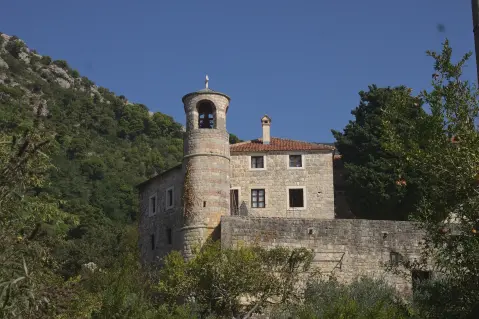
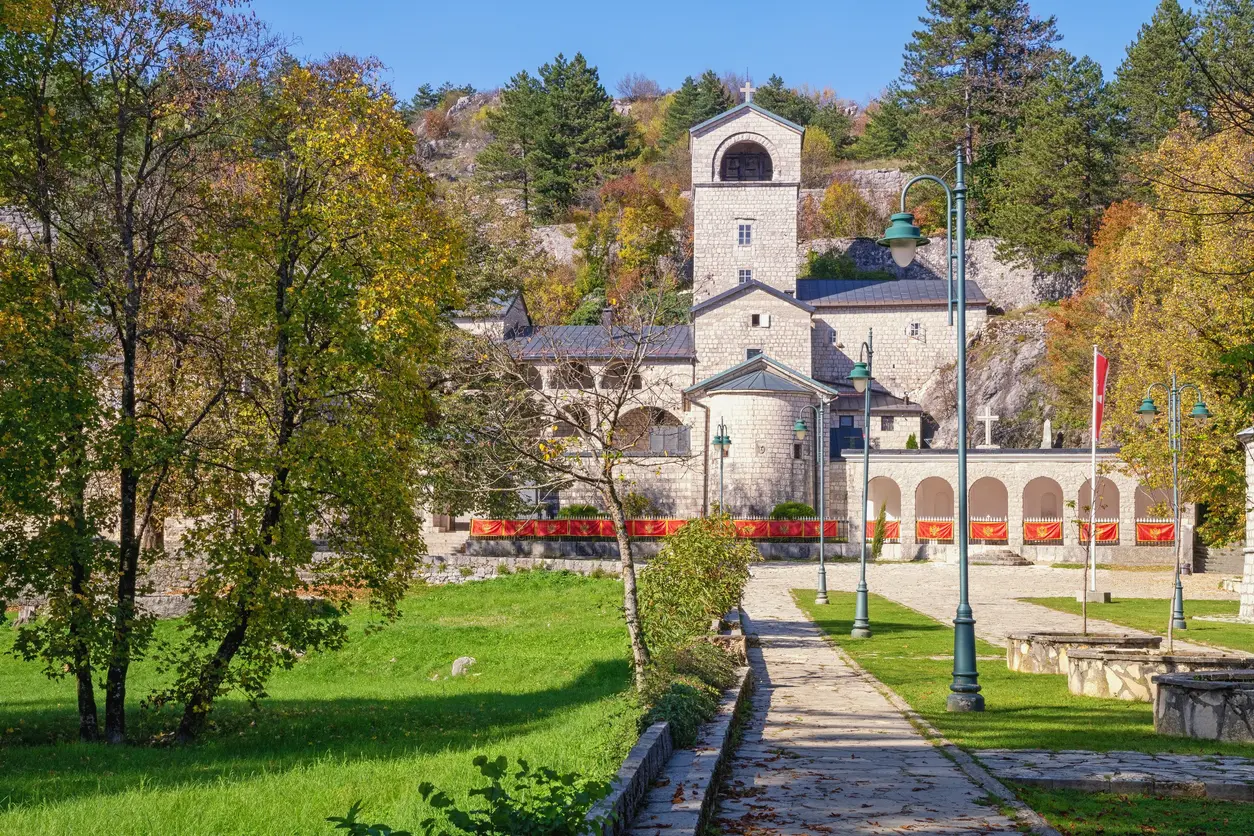
Cetinje Monastery, rebuilt in 1701 near the site of Ivan Crnojević's original monastery, is the spiritual centre of Montenegro and one of the most sacred sites of Orthodox Christianity in the Balkans. It preserves the relics of St. Peter of Cetinje — one of the most important Montenegrin saints — as well as the right hand of St. John the Baptist. Within the complex there is also a small museum featuring icons and objects of ecclesiastical heritage. Admission is free and the monastery is open every day from 08:00 to 20:00. Photography inside the complex is not permitted.
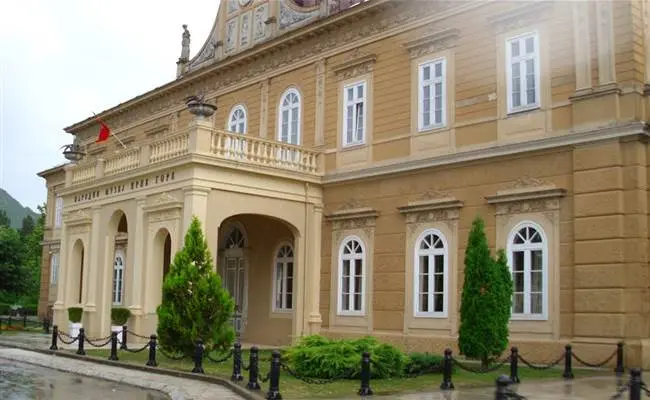
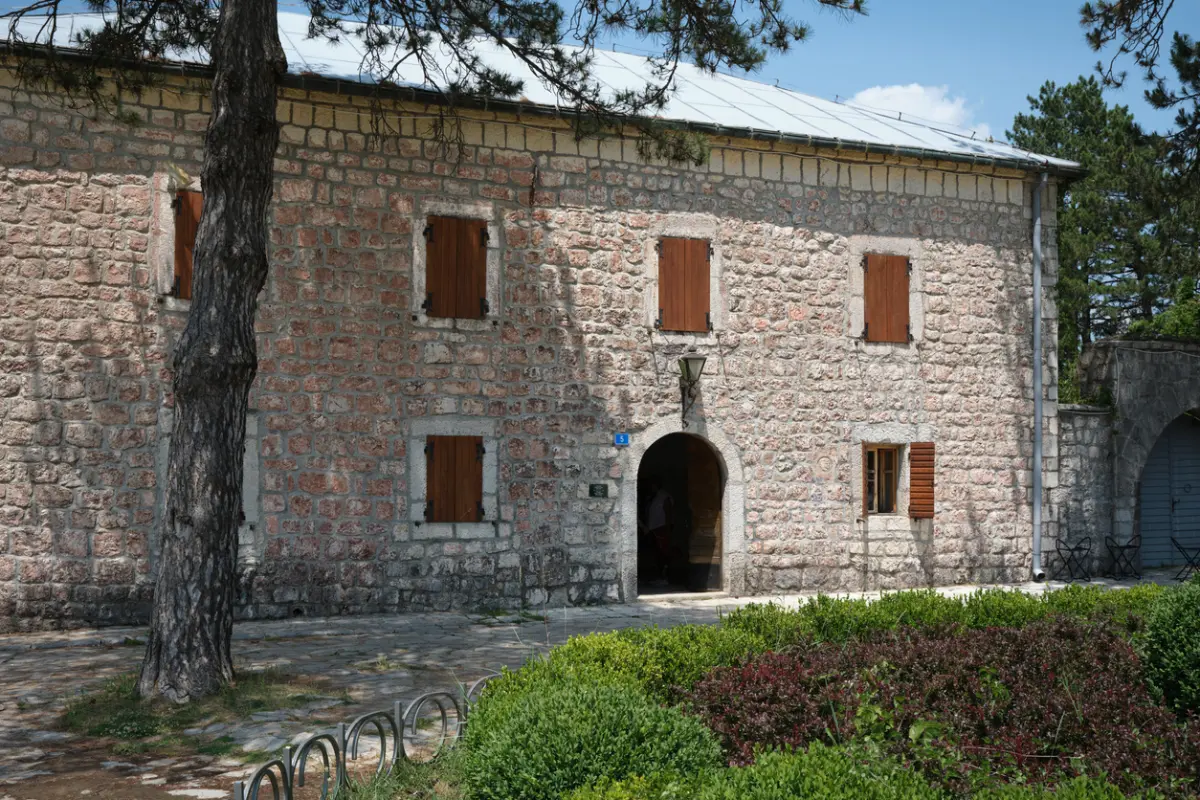
The National Museum of Montenegro, founded in 1896, is the largest museum complex in the country and encompasses five separate institutions located in the centre of Cetinje: the History Museum, the King Nikola Museum, the Njegoš Museum Biljarda, the Ethnographic Museum, and the Art Museum. The Palace of King Nikola served as the seat of the Montenegrin royal family for over 50 years, and today offers visitors an insight into Montenegro's diplomatic ties with European courts. The Biljarda Palace, named after the billiard table that Petar II Petrović Njegoš installed in the 1830s, preserves his personal collection, weapons, and a relief map of Montenegro. A combined ticket costs 20 EUR for adults; the museum is open daily from April to November, 09:00–17:00.
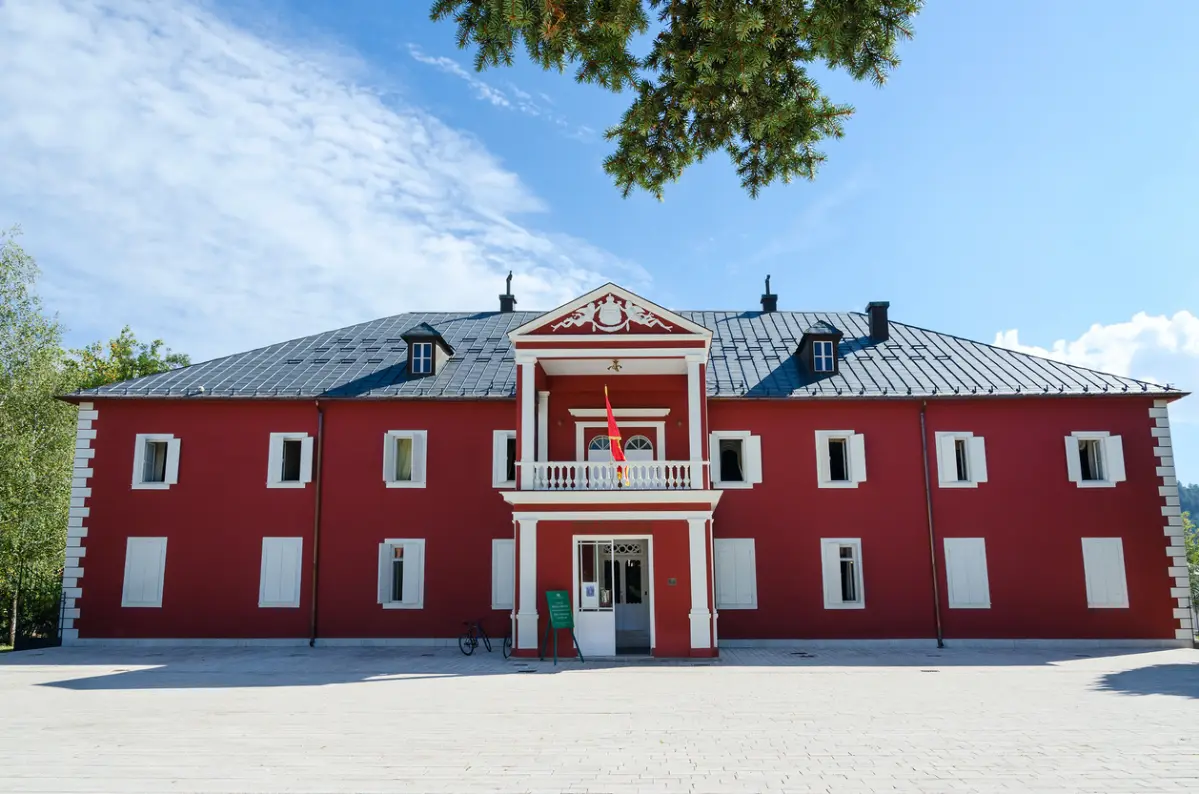
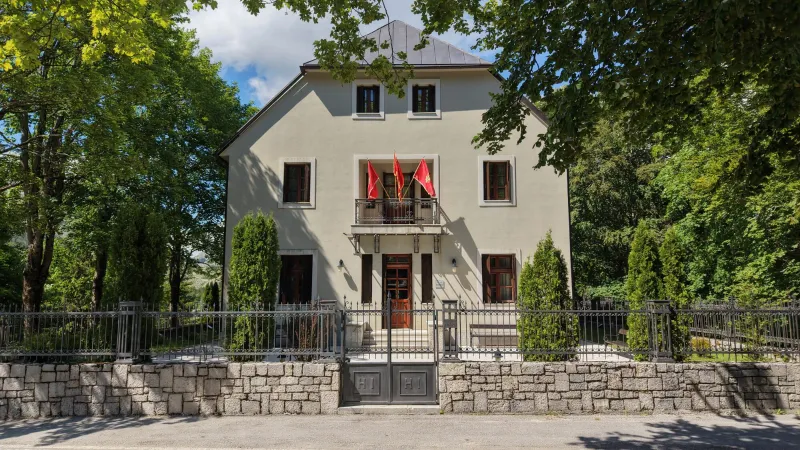
The Palace of King Nikola in the centre of Cetinje, on Kraljevski trg right next to which a boutique hotel is located, was the residence of the Montenegrin royal family for over 50 years. Built in the 19th century, the palace combines neoclassical and baroque architectural elements and today functions as a museum that, through artefacts, documents, and personal items, illuminates the reign of King Nikola I Petrović Njegoš — the first and only king of Montenegro. The collection includes weapons, clothing, tableware, coins, and portraits, with the royal chambers featuring original furniture being particularly noteworthy. The museum is part of the National Museum of Montenegro complex.
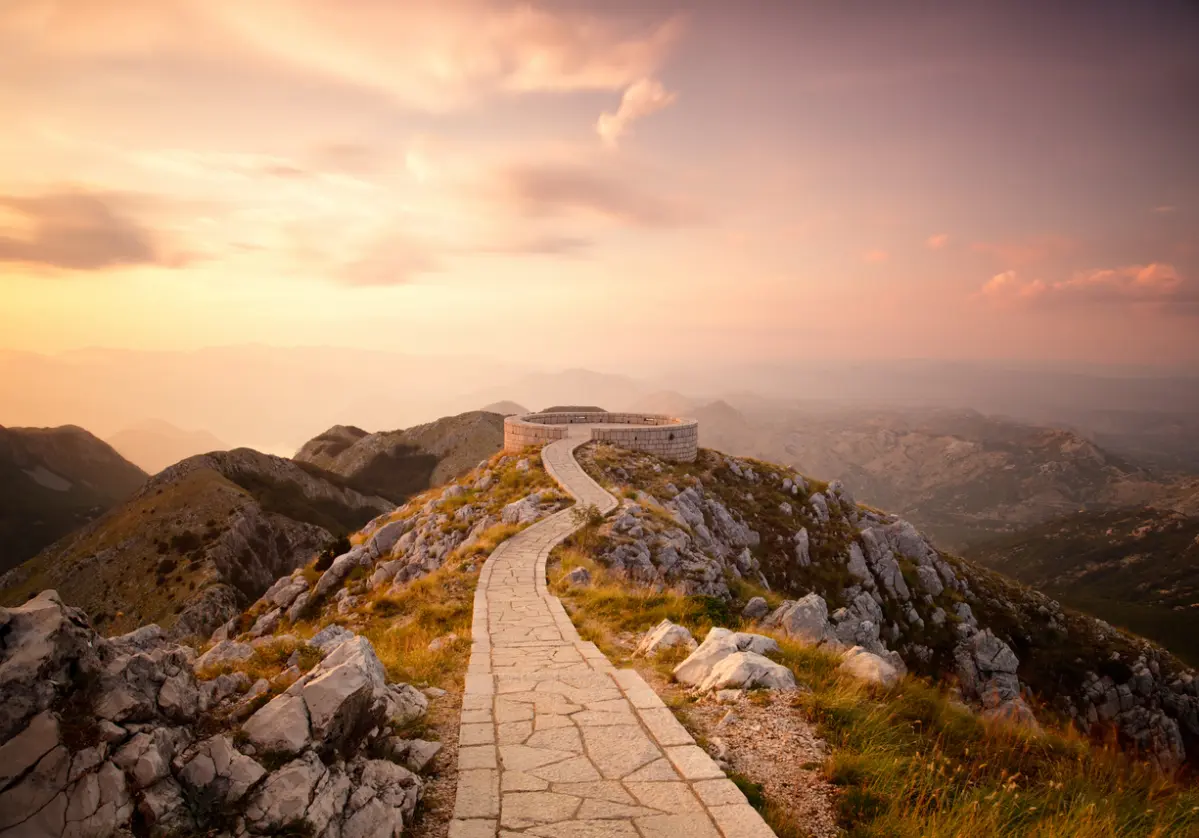
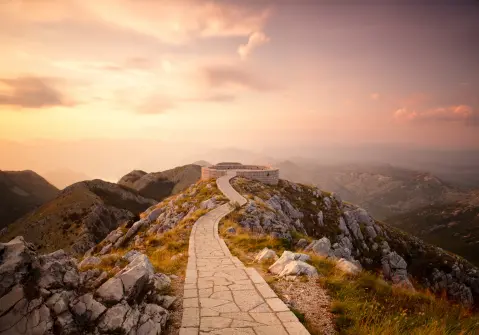
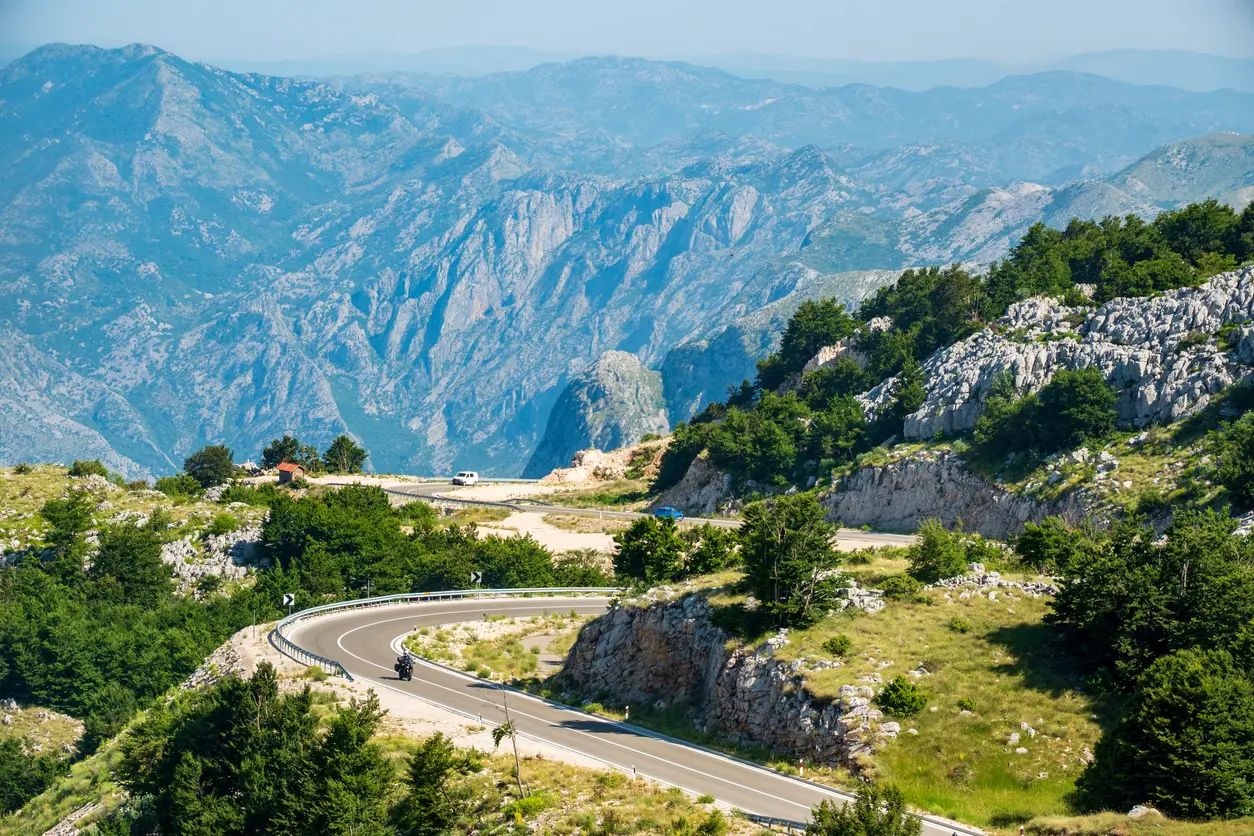
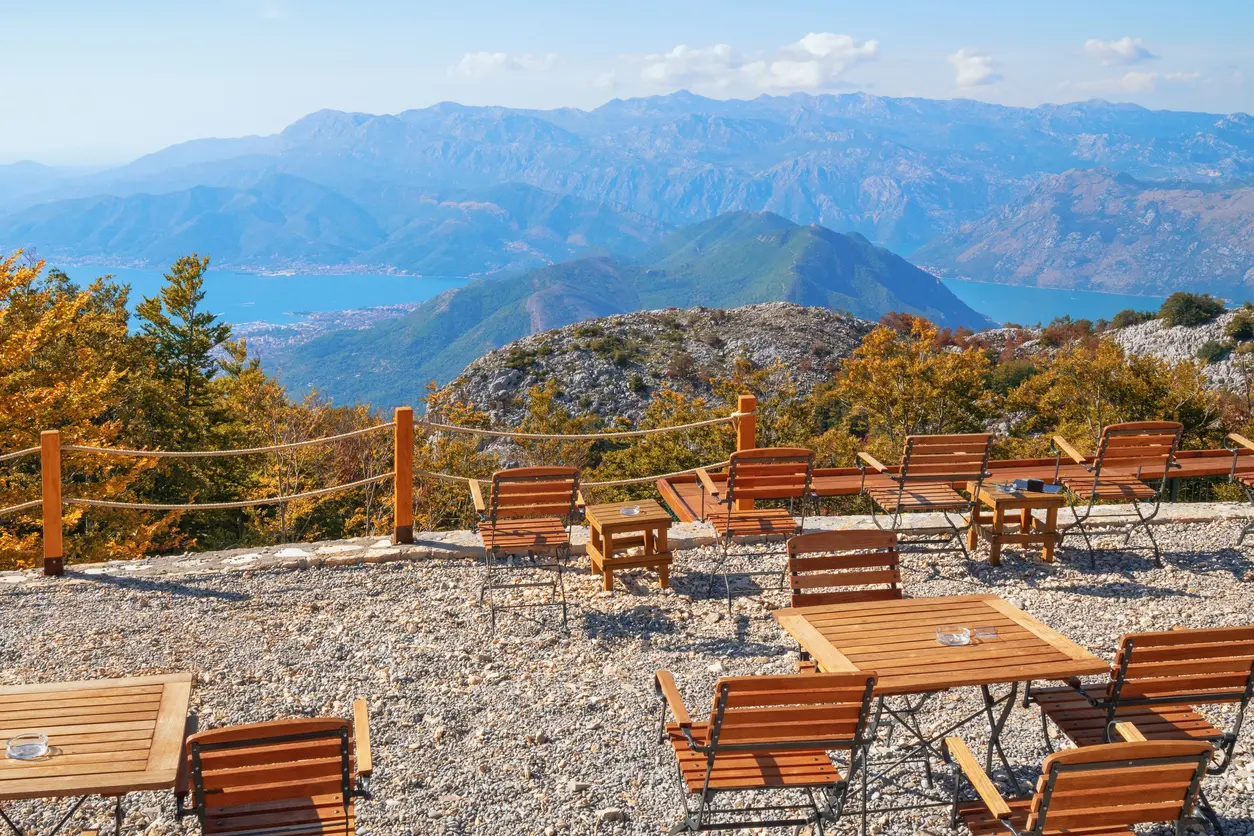
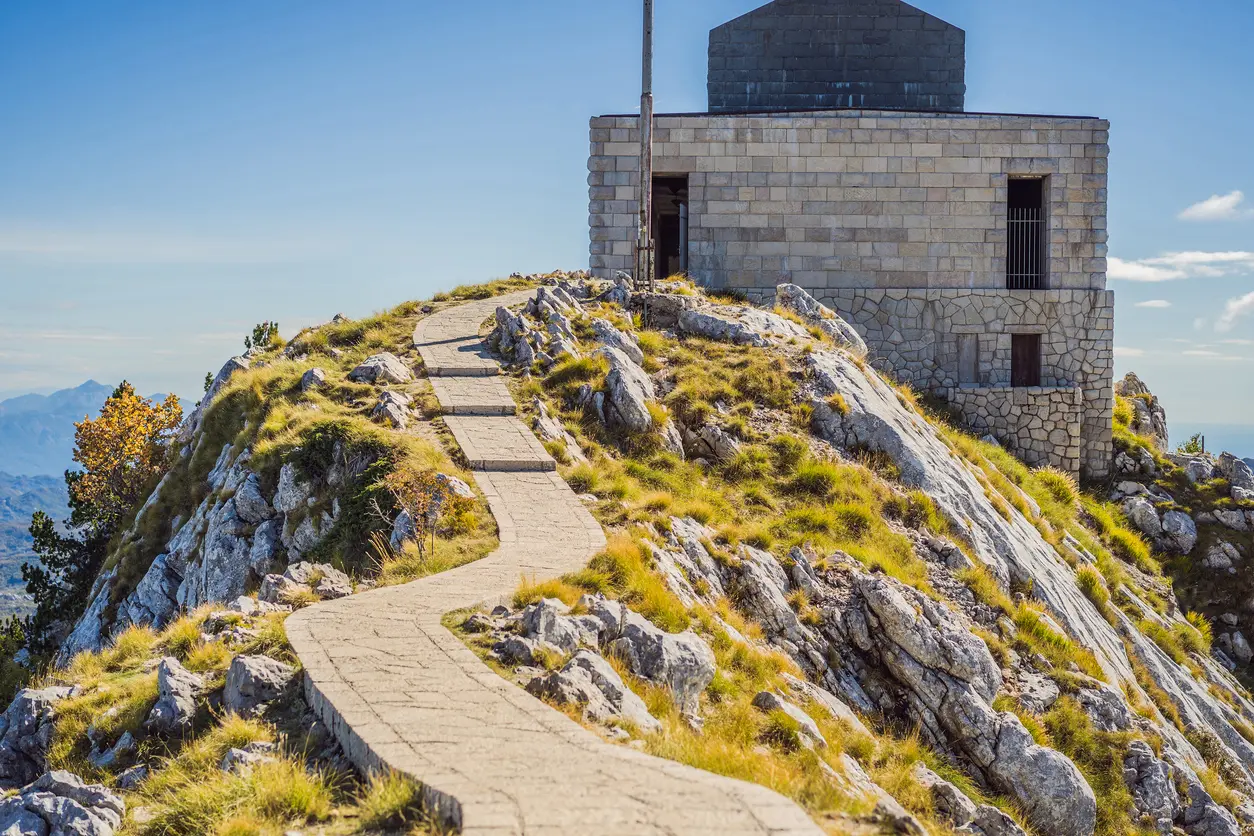
Mount Lovćen, rising immediately above Cetinje, is the heart of Montenegrin national identity and one of two national parks in the immediate vicinity of the city. At Jezerski vrh (1,657 m) stands the Njegoš Mausoleum — a work by sculptor Ivan Meštrović — reached by 461 steps from the car park. From the summit, a panoramic view stretches across the Montenegrin coast, Lake Skadar, and the mountain ranges extending towards Albania and Serbia. The national park offers hiking trails of varying difficulty, rich flora and fauna, and fresh mountain air just around 15 km from Cetinje.
What to do
Culture
Explore the five museum institutions of the National Museum of Montenegro in the city centre.
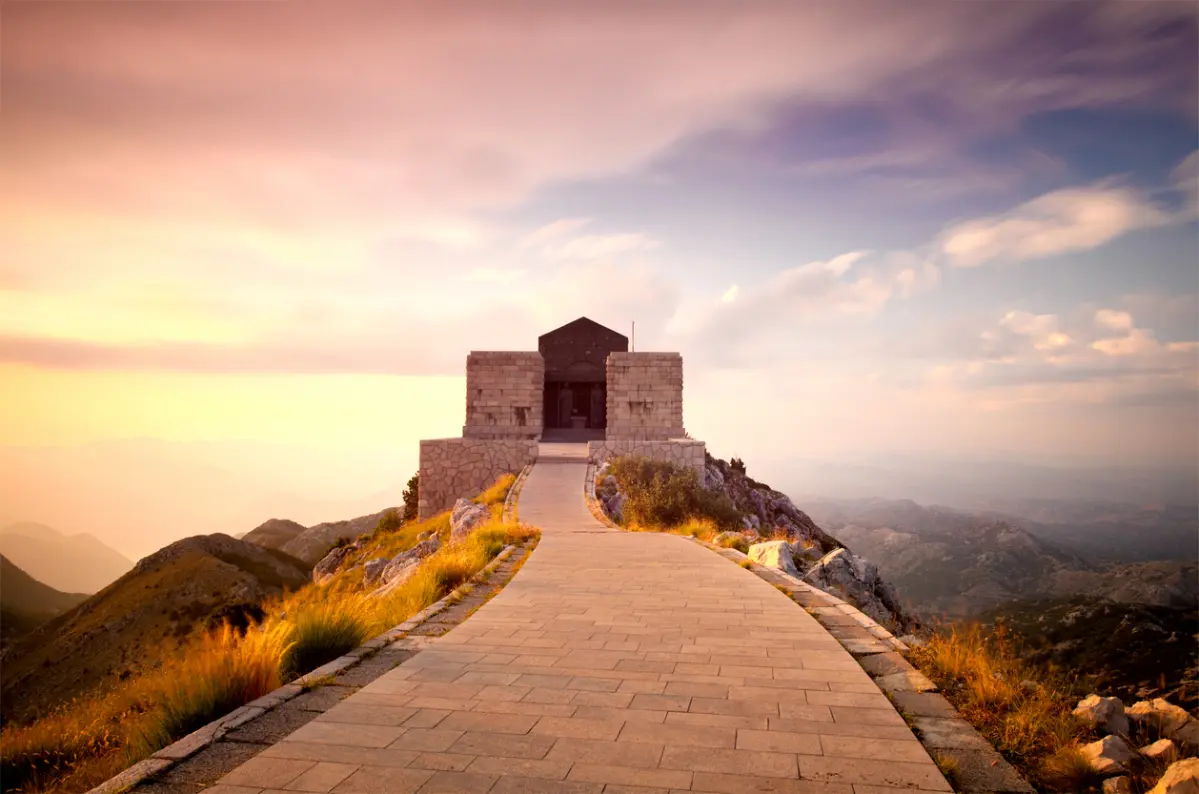
Mountains
Hiking trails from Cetinje lead to Lovćen National Park and the Njegoš Mausoleum.
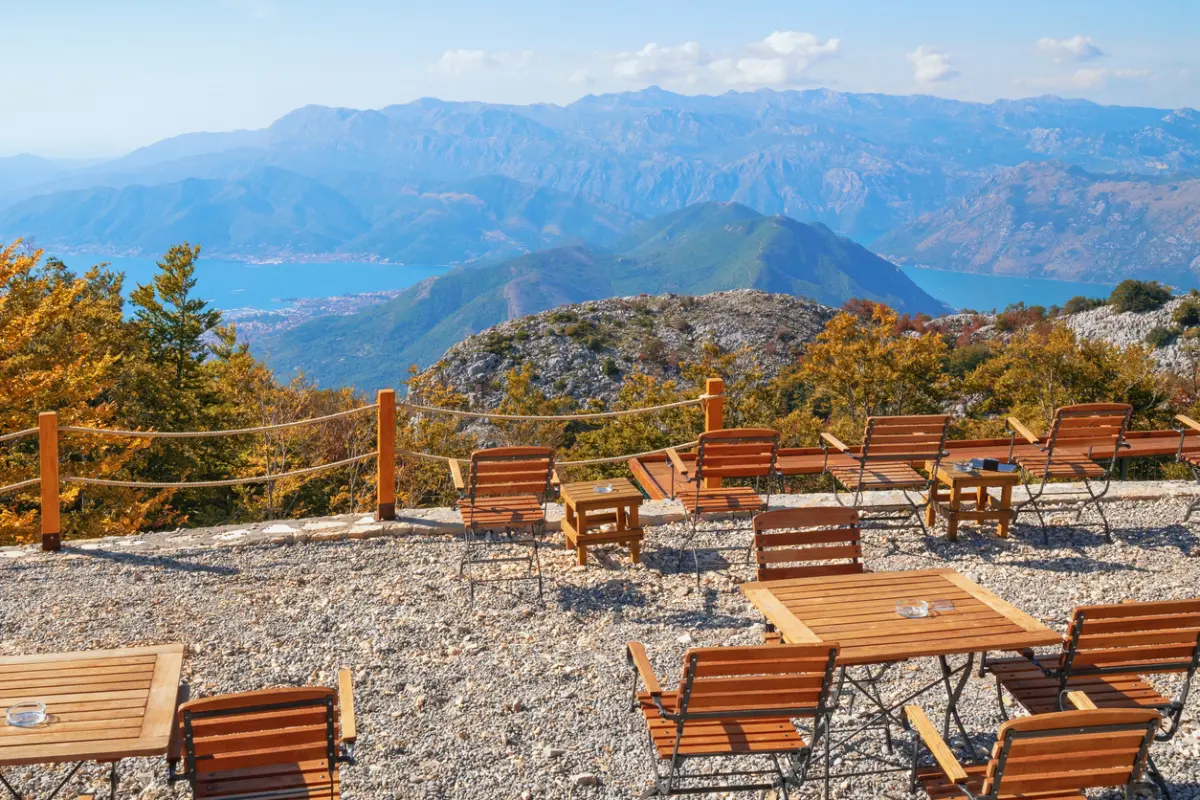
Culture
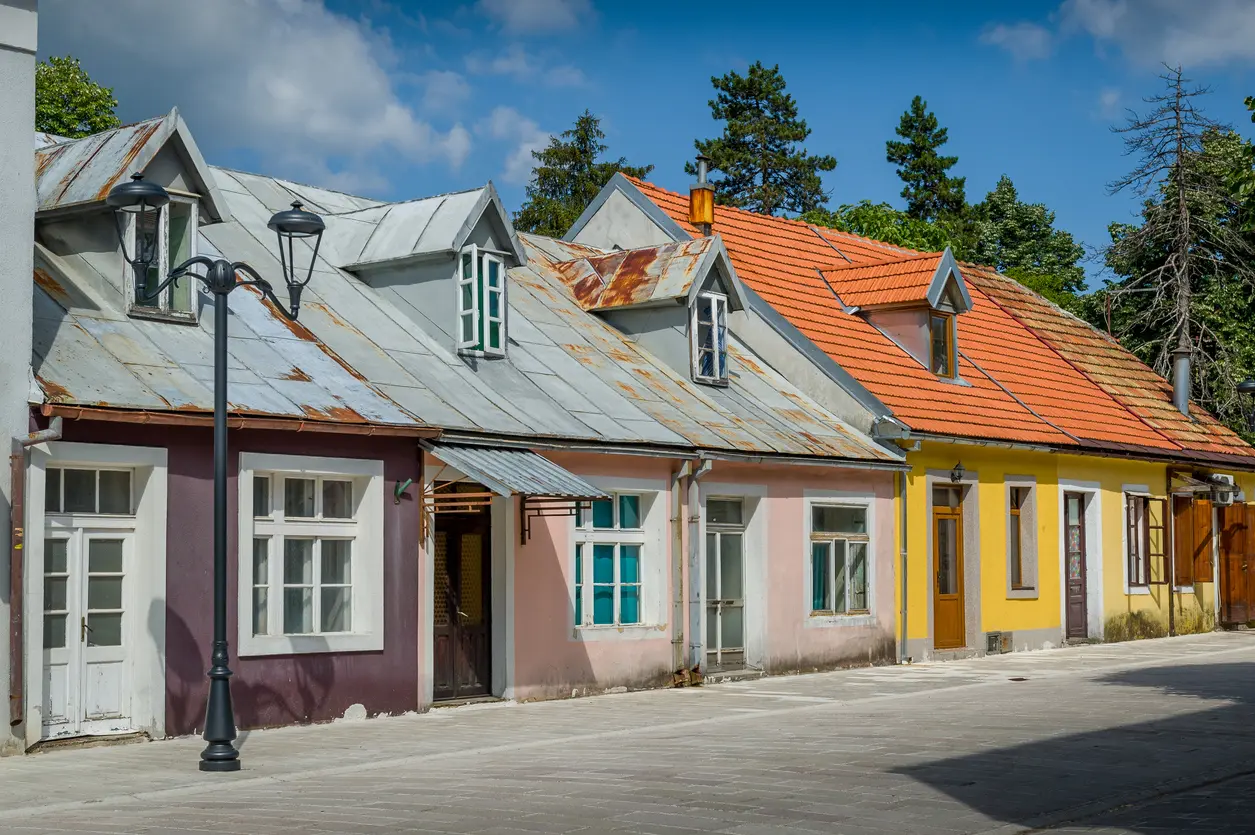
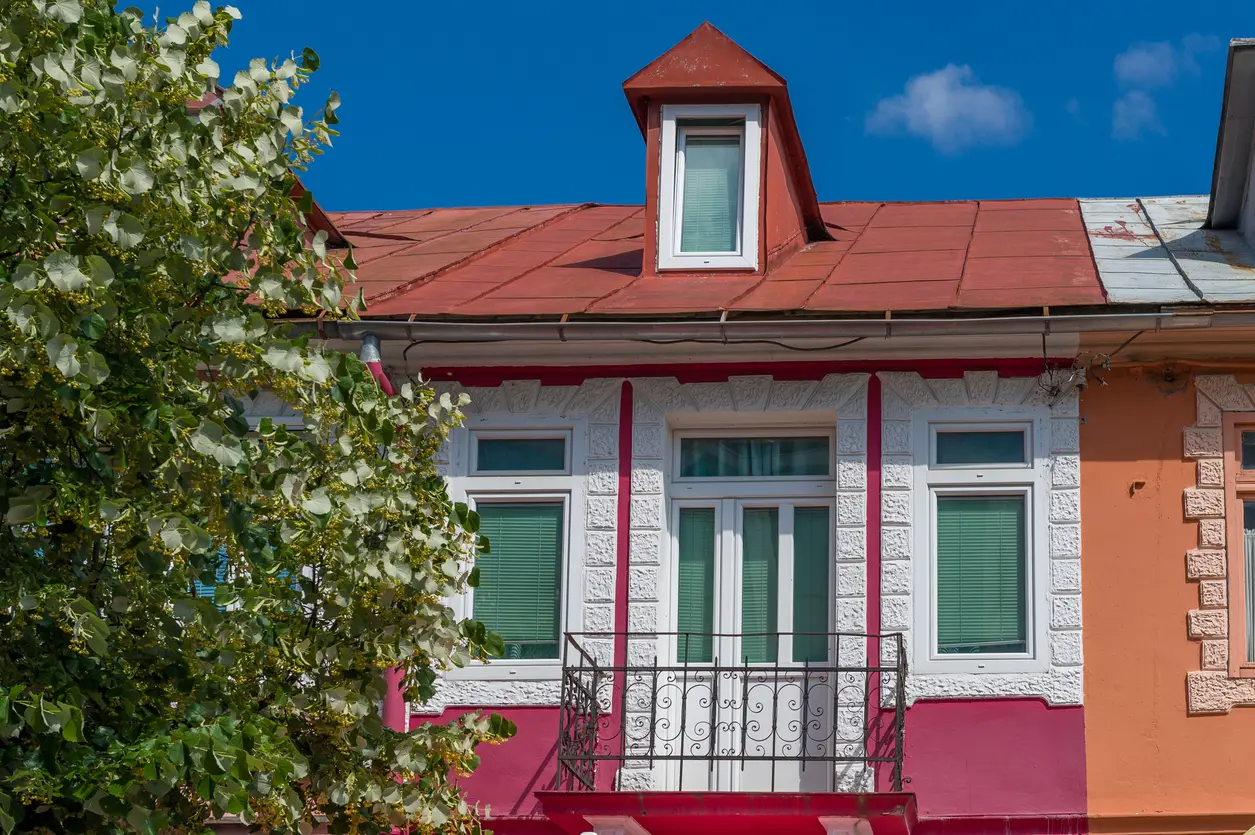
Photograph the former embassies, palaces, and Montenegrin 19th-century architectural style.
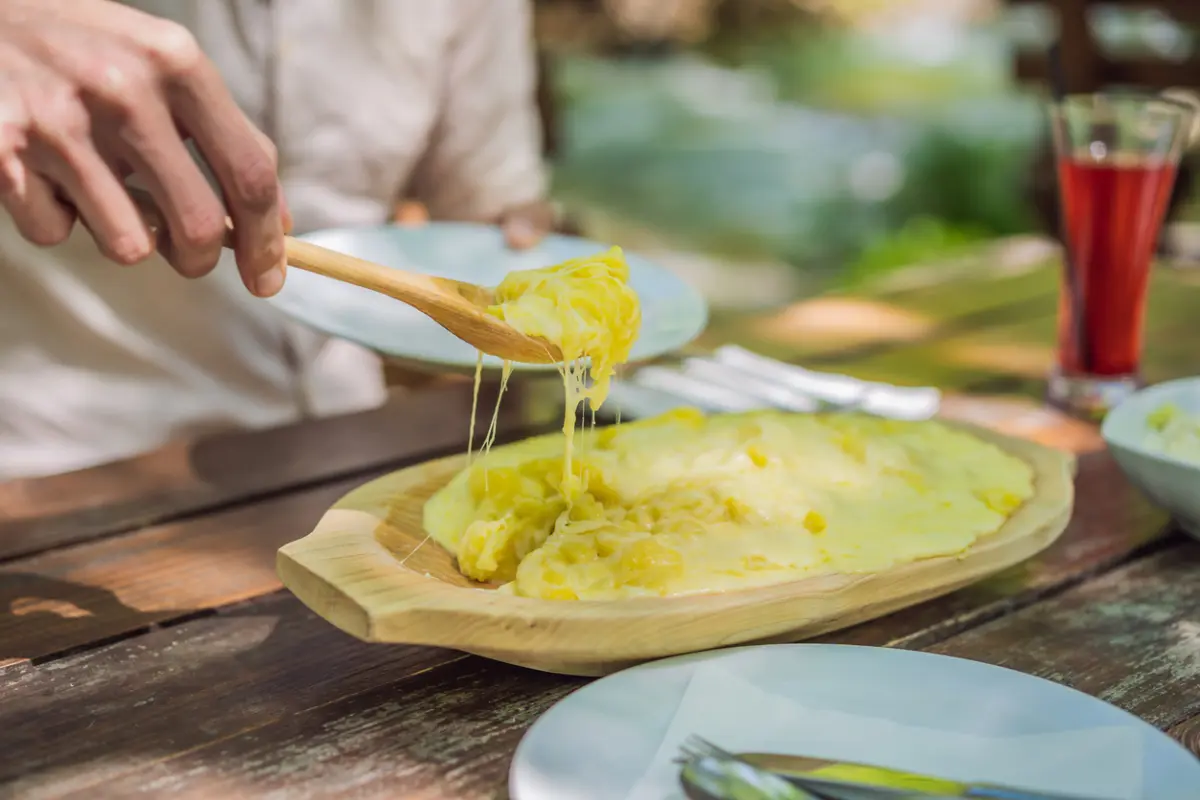
Food & wine
Try authentic dishes of Montenegrin cuisine — raštan, kačamak, and Njegoš pršut.
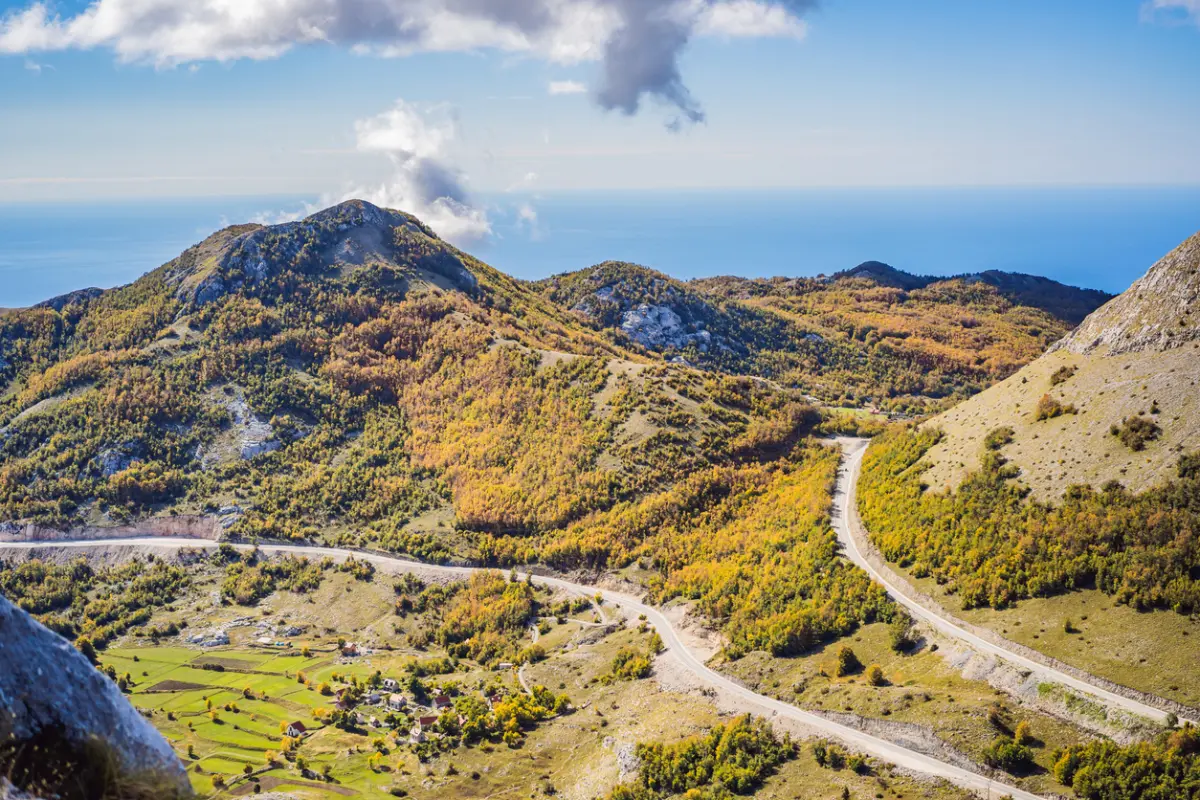
Nature
The surroundings of Cetinje and Lovćen offer excellent birdwatching opportunities in a mountain setting.
What's on
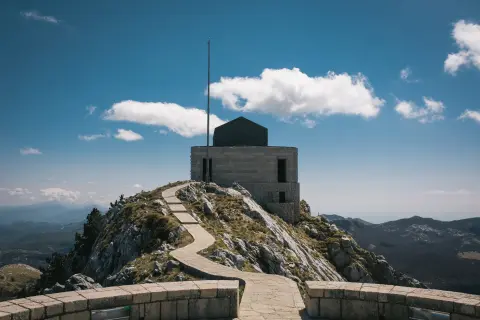
Montenegro's holiday of culture on Njegoš's birthday — ceremonies, awards and programmes centred on Cetinje.
Details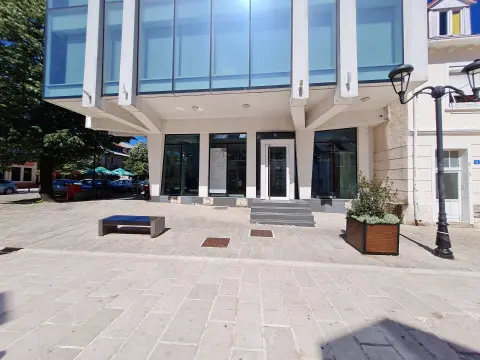
Montenegro's oldest juried contemporary art exhibition, every November in Cetinje.
Details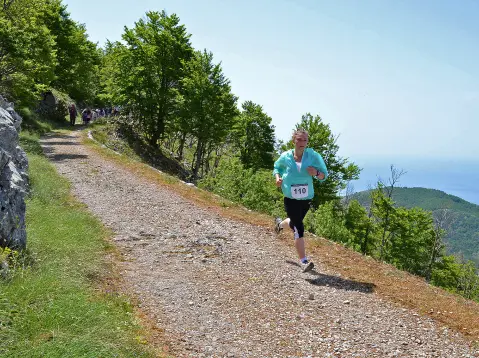
A two-day Lovćen NP outdoor festival around the 34.5 km Five Peaks trail race.
DetailsFood & Drink
Danilo Vukmirović's household in Gornji Ceklin, 12 km from Cetinje on the road to Rijeka Crnojevića, with the 'Cekin' wine cellar. Some 2,000 vines give vranac, kratošija, chardonnay and smederevka, and wines and rakijas are kept in an underground cellar. The family also keeps bees and grows medicinal herbs, so there are honey and herbal rakijas and liqueurs. Home-cooked meals and lodging for five to six people are available.
Gornji Ceklin, Riječka nahija, Cetinje+382 67 555 964vukmirovic-ceklin-inn.com
The Šofranac family winery in the hamlet of Suvodoli in Rvaši, in the Riječka nahija above Lake Skadar. About 3,000 terraced vines give the red Mrkan from kratošija and vranac and the whites Suvodolski dukat and Suvodolski chardonnay, plus rakija and liqueurs. The ethno-style tasting room looks over the vineyard and the village. Visits by arrangement; in August and September guests can join the harvest.
Rvaši (Suvodoli), Rijeka Crnojevića, Cetinje+382 69 054 387
A family winery in Drušići, the best-known wine village of the Riječka nahija, above Lake Skadar. About 4,000 vines give some 3,000 litres of red, white and rosé wine and 750 litres of rakija a year, made to old family recipes. Visitors tour the vineyard and cellar and taste wine and rakija with traditional snacks; in August and September they can join the harvest.
Drušići, Rijeka Crnojevića, Cetinje+382 67 643 244@vinarijajankovic
A winery and rural guesthouse in the village of Smokovci, about 15 km from Cetinje near Lake Skadar, revived by former handball player Mladen Rakčević in his century-old family house. Half a hectare of vranac, kratošija, cabernet sauvignon and merlot gives the Pečalbar, Depeša and Smokovac wines, named after family stories. Tastings come with local appetisers or lunch, and there are harvest visits, wine sales and rooms.
Smokovci, Riječka nahija, Cetinje
A winery on the slopes of Građani above Lake Skadar, where amphorae and jugs from excavations show winemaking since the 3rd century BC. A guided tour of about an hour and a half covers vineyards of native varieties, the bottling hall and a 60-metre cellar dug 10 m underground; some wine is made in Georgian qvevri and Italian amphorae. The standard tasting has four wines with local snacks; tours are booked in advance.
Građani, Crmnica, Cetinje
Plan your stay
Live offers from local hosts on our booking platform. Nothing is charged online — you pay the host on site.
A few offers
Booking requests are confirmed by the host; payment on site. Offers come from the Travel to Montenegro booking platform.
Hiking, walking and cycling routes that start here or pass nearby, with maps and GPX downloads.
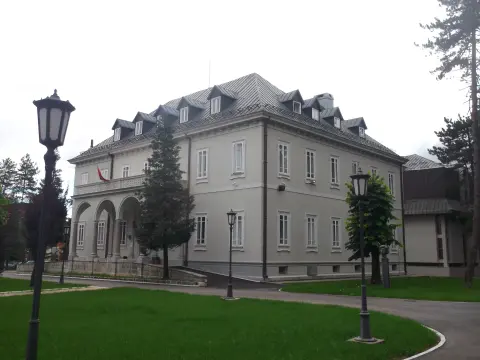
A short hiking trail 0.5 km long near Cetinje Monastery and Cetinje. With an elevation gain of 5 m and a surface that is 100% asphalt/concrete, it can be completed in about 10 minutes.
0.5 km10–10 min
View trail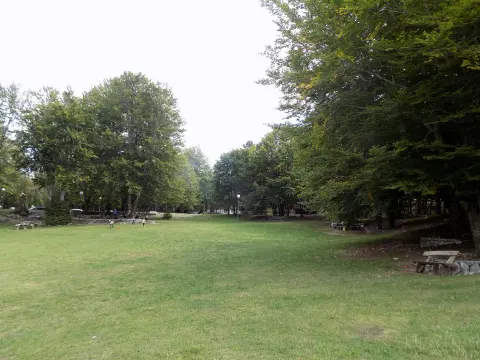
A demanding one-way hiking trail through Lovćen National Park, 16.5 km long, with a total ascent of 692 m and a duration of approximately 5 h 30 min.
16.5 km692 m4½–6½ h
View trail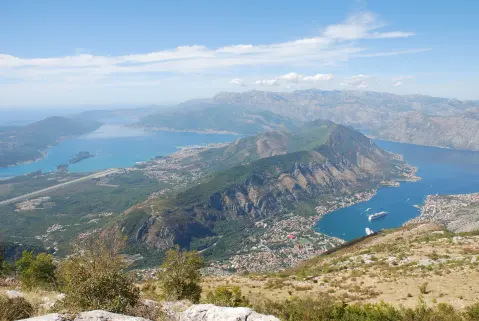
A one-way hiking tour through Lovćen National Park: 34.3 km, 1,738 m of ascent and 1,035 m of descent. Intended for experienced hikers, with multiple viewpoints and the Ivanova korita spring.
34.3 km1,738 m2–3 days
View trail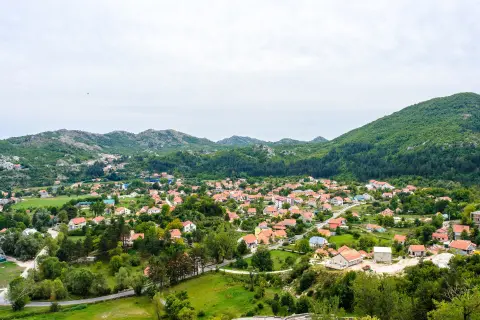
Easy one-way foot trail, 3.5 km long, with 6 m of ascent and 216 m of descent. It starts at Đinovo Brdo and leads past several viewpoints to a drinking fountain and parking.
3.5 km55–80 min
View trail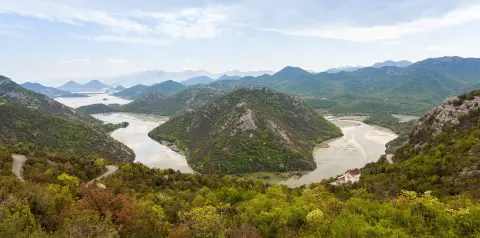
Cycling trail NPSJ02 runs through Skadar Lake National Park. It is 10.7 km long, easy, and can be completed in about 50 min without stops, with a surface that is 100% asphalt/concrete.
10.7 km184 m45–60 min
View trail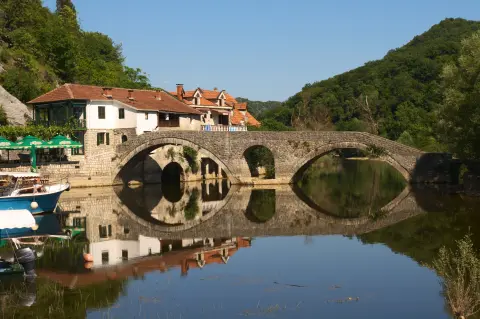
Hiking trail 792E is 14,1 km long in one direction, with 547 m of ascent. It starts at Obodska Cave and passes through Skadar Lake National Park.
14.1 km547 m4–5½ h
View trail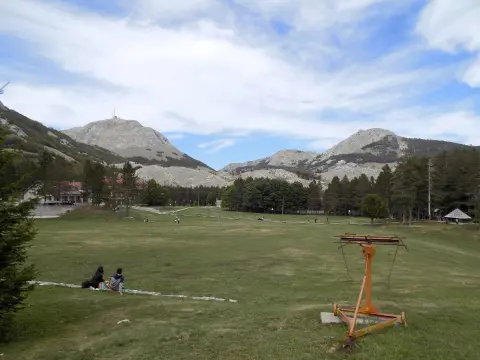
A demanding one-way hiking trail through Lovćen National Park: 19.7 km, 216 m of ascent, 835 m of descent, and approximately 6 h 10 min of walking. The route includes the Kraljevo počivalo viewpoint and the Ivanova korita spring.
19.7 km216 m5–7½ h
View trailAn easy hiking tour in Lovćen National Park, 1.0 km long, with 83 m of ascent, lasting about 25 min. The trail leads to a viewpoint at 1480 m a.s.l. and Treštenički vrh at 1489 m a.s.l.
1.0 km83 m20–30 min
View trailGallery

Did You Know?
In 1494, Ivan Crnojević printed the first book in the Balkans right here in Cetinje, making it one of the earliest centres of printing in all of Europe. First book printed in the Balkans
Plan Your Visit
Phone
+382 41 230 250Website
www.cetinje.travelNational Museum of Montenegro: 15 April – 15 November every day 09:00–17:00; 16 November – 14 March on working days 09:00–15:00. Cetinje Monastery: every day 08:00–20:00.
National Museum of Montenegro — combined ticket: 20 EUR adults, 10 EUR concessions. Cetinje Monastery: free entry.
Parking is available in the centre of Cetinje, mostly free or for a nominal charge.
The town centre is flat in character and relatively accessible for people with limited mobility. Some museums are located in historic buildings with stairs.
FAQ
Around here