Travel to Montenegro
Crna Poda
Rezervat – NP Durmitor, Mojkovac

Crna Poda

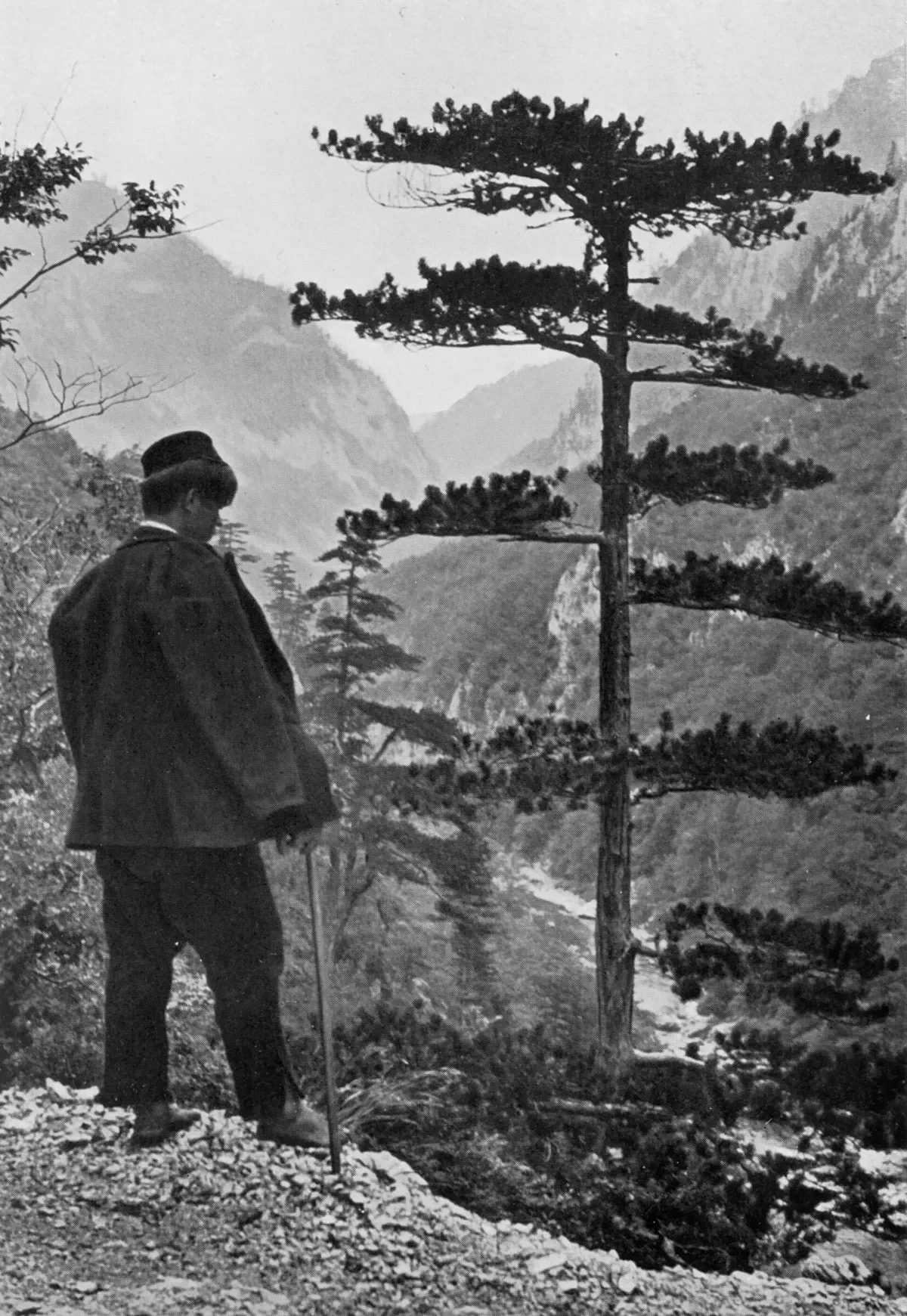
Black pine old-growth forest in the Tara Canyon, in Durmitor National Park

Overview

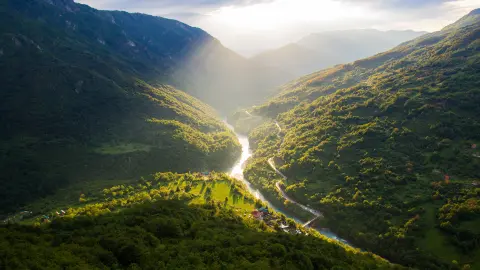
Crna Poda is an old-growth forest of black pine on the banks of the Tara, in the municipality of Mojkovac and within the boundaries of Durmitor National Park.

Black pine dominates, with beech growing alongside it; the trees reach around 50 metres in height, and the oldest are over 400 years old, according to some sources as much as around 450 years. The Mojkovac – Đurđevića Tara road, part of the scenic “Crown of Montenegro” route, passes through the reserve itself, so the forest can be seen directly from the road. Below it, at the entrance to the canyon, the Tara narrows to just 2 to 3 metres in the Đavolje lazi gorge.

  • Tara Canyon
  • Forests
  • NP Durmitor
  • Mojkovac
  • Crown of Montenegro
Highlights

Discover Crna Poda

Black pine forest

Black pine forest

Crna Poda is dominated by black pine, with beech also growing. The trees are about 50 metres tall – a 1987 scientific paper records 51 metres as well – and the oldest are over 400 years old, according to some sources as much as around 450 years. According to the same paper, the reserve covers about 40 hectares.
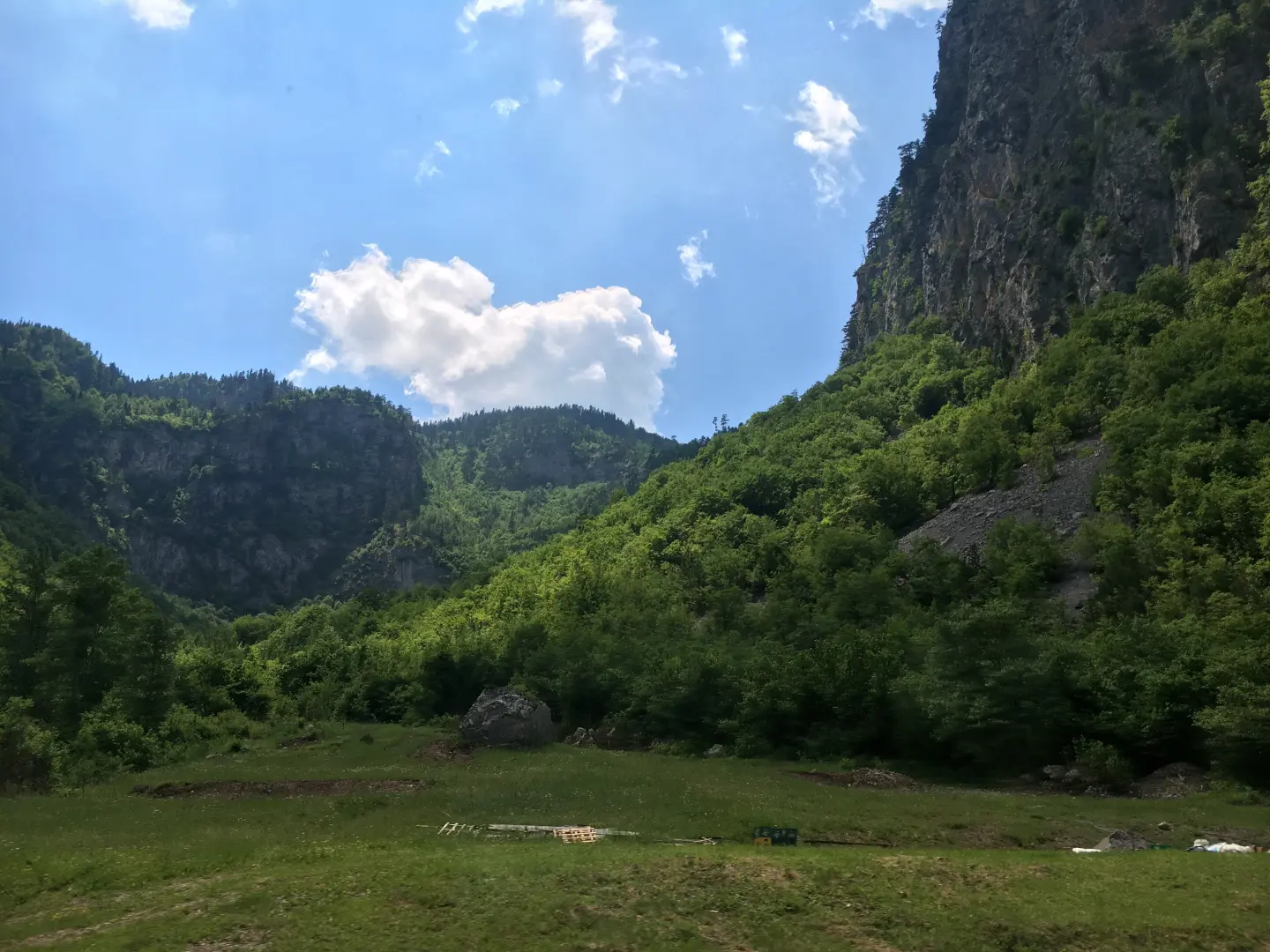
Đavolje lazi gorge

Đavolje lazi gorge

Below the old-growth forest, right at the entrance to the Tara Canyon, lies the Đavolje lazi gorge, where the riverbed narrows to just 2 to 3 metres. This part of the canyon is a special challenge for kayakers, and the Bistrica – Kulina – Splavište kayaking tour passes through it.

  • Viewpoint at the entrance to Durmitor National Park

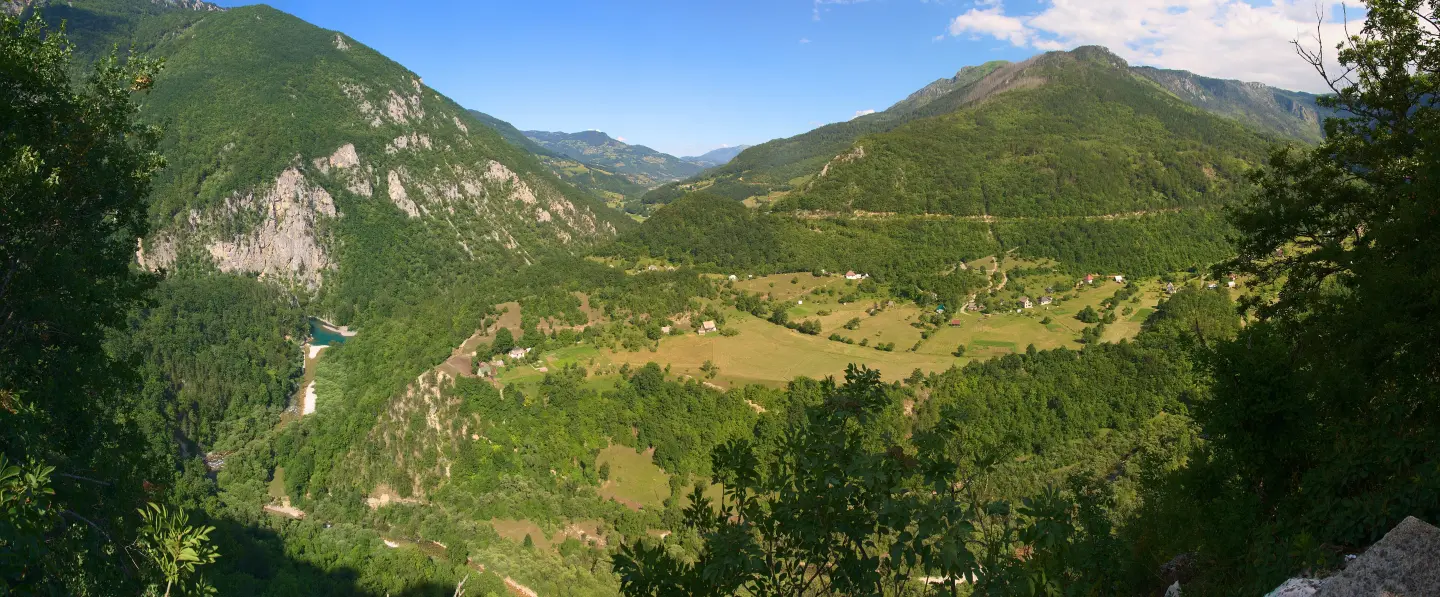
    About 1.5 km southeast of Crna Poda, on the road from the direction of Mojkovac, there is a viewpoint with an information board “Viewpoint – entrance to Durmitor National Park” and a small car park with space for about 15 vehicles. From it you can see the Tara valley near the confluence of the Bistrica.

What to do

Activities in Crna Poda

  • On the water

    Kayaking

    The Bistrica – Kulina – Splavište tour (20 km, grade III–V) passes by Crna Poda and Đavolje lazi.

  • Adventure

    Scenic road drive

    The Mojkovac – Đurđevića Tara road, part of the “Crown of Montenegro”, passes through the reserve itself.

Around here

Nearby places

  1. Mojkovac

    Mojkovac

    City · 14 km

    Mojkovac is a mountain town at 853 m above sea level, nestled in the valley of the Tara River between Bjelasica, Sinjajevina and two national parks.

  2. Zminičko Lake

    Zminičko Lake

    Lake · 17 km

    A glacial lake at an altitude of 1,285 m, located near the village of Zminica at the foot of Mount Sinjajevina.

  3. Đurđevića Tara Bridge

    Đurđevića Tara Bridge

    Historical Site · 18 km

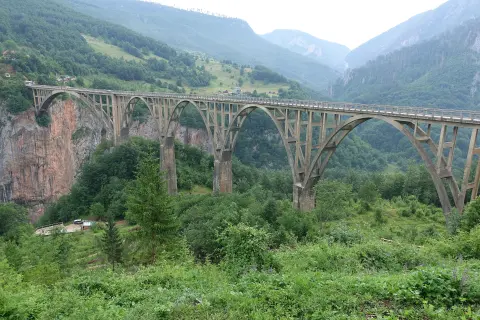
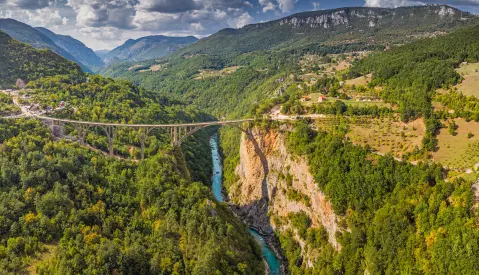
    Reinforced concrete bridge with five arches over the Tara, completed in 1940: about 365 m long, with a main arch spanning 116 m and a roadway up to 172 m above the river.

  4. Tara River Canyon

    Tara River Canyon

    Canyon · 18 km

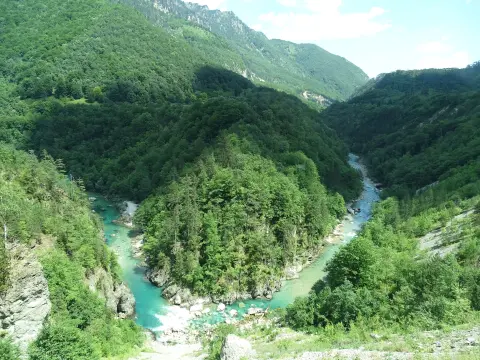
    The Tara canyon is 78 km long and up to about 1,300 m deep; the Đurđevića Tara bridge of 1940 spans it, and the river is run by raft.

  5. Biogradsko Lake

    Biogradsko Lake

    Lake · 20 km

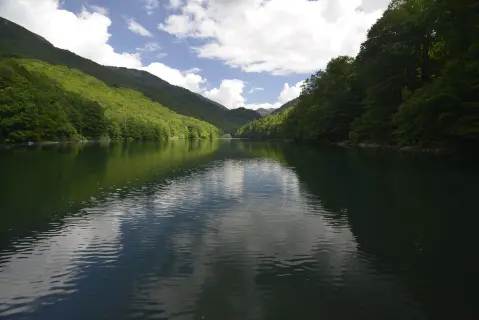
    Biogradsko Lake is the largest glacial lake of Bjelasica, at 1,094 m in the heart of the Biogradska Gora National Park rainforest, with a 3.3 km trail around its shore.

  6. Kolašin

    Kolašin

    City · 22 km

    A mountain town in northern Montenegro, at the foot of Bjelasica, with 45 km of ski slopes and Biogradska gora National Park nearby.

  7. Biogradska Gora National Park

    Biogradska Gora National Park

    National Park · 23 km

    Montenegro's smallest national park preserves a primeval forest reserve up to 500 years old on Mount Bjelasica.

  8. Brštanovica – Šćepan Polje

    Brštanovica – Šćepan Polje

    River · 51 km

    A one-day rafting trip on the Tara from Brštanovica to Šćepan Polje, where the Tara and Piva merge into the Drina – around 18 km of rapids on the border with Bosnia and Herzegovina.

Plan Your Visit

Weather & Useful Info

When to come

Monthly averages – Mojkovac.

  • Jan: Air (max) 4 °C
  • Feb: Air (max) 8 °C
  • Mar: Air (max) 10 °C
  • Apr: Air (max) 14 °C
  • May: Air (max) 19 °C
  • Jun: Air (max) 24 °C
  • Jul: Air (max) 28 °C
  • Aug: Air (max) 27 °C
  • Sep: Air (max) 21 °C
  • Oct: Air (max) 17 °C
  • Nov: Air (max) 11 °C
  • Dec: Air (max) 7 °C
Air (max)Best time to visit
Climate and weather – Mojkovac
For kayaking through this part of the canyon, the summer months are most suitable, when the water level of the Tara is favourable. In summer, however, traffic on the road through the canyon is at its heaviest.

Visitor tip

The road through the canyon is winding and rockfalls are possible, so drive slowly and stop only at pull-outs and viewpoints, such as the one at the entrance to Durmitor National Park. Kayaking tours on this section are organised by private operators; between Kulina and Splavište lie the Strugovi rapids, which are often not navigable in summer, so kayaks are portaged for about 15 metres.

Good to know

Parking
Small parking lot (about 15 spaces) near the viewpoint at the entrance to Durmitor National Park, about 1.5 km southeast of Crna Poda.

Getting Here

By Car

From Mojkovac take the road towards Đurđevića Tara (R-10), through the Tara Canyon; from Mojkovac to Đurđevića Tara is 49.7 km, and Crna Poda is on that section, closer to Mojkovac.

Open in Google Maps
FAQ

Frequently Asked Questions

Yes. The Mojkovac – Đurđevića Tara road, part of the scenic “Crown of Montenegro” route, passes through the reserve itself. The road is winding, busy in summer and subject to possible rockfalls, so drive carefully.

Tourism organisations state that the trees are about 50 metres tall and around 450 years old; brochures also mention 45 metres and an average of 400 years. A 1987 scientific paper records heights of up to 51 metres and ages of individual trees of over 450 years.

Yes – the reserve is part of Durmitor National Park, and it is located in the municipality of Mojkovac. According to the 1987 paper, it was declared a research reserve under the Law on National Parks.